


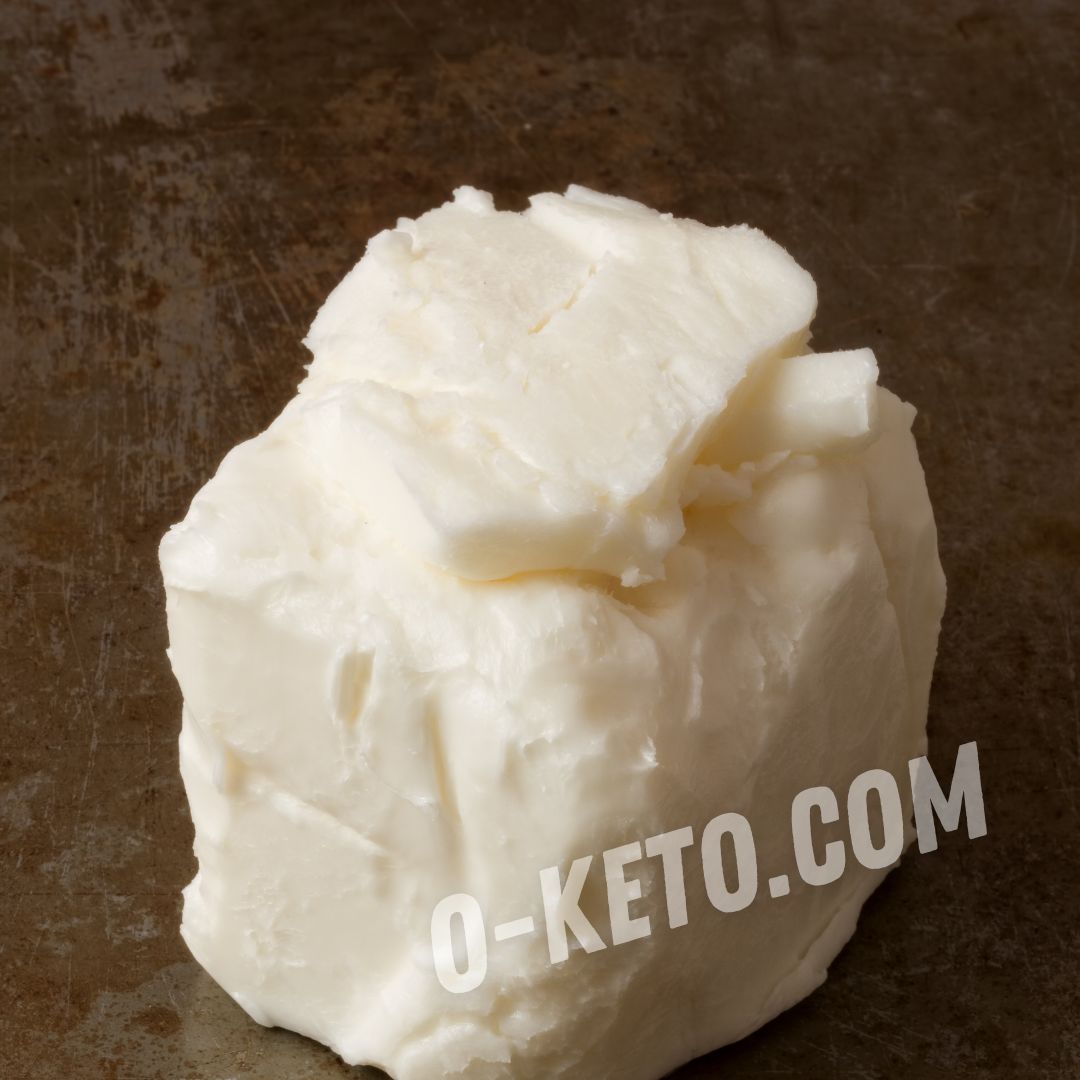

Beef tallow is rendered fat from cattle. It is a dense animal fat with a meaty aroma, high energy density, and good stability when heated. It is used for frying, roasting, stewing, potatoes in ordinary cooking, keto vegetables, meat dishes, broths, and sauces.
Unlike butter, well-rendered and clarified beef tallow contains almost no water or milk proteins. Unlike many liquid vegetable oils, it has a stronger flavor and is usually more stable at high heat. But it is not a magical fat: its value depends on raw material quality, freshness, rendering method, and how it fits into the diet.
Nutritional value
Beef tallow is almost entirely fat. In 100 g there are about 880–900 kcal, 0 g of carbohydrates, and almost no protein. One tablespoon gives roughly 110–120 kcal. The glycemic load is zero if it is pure fat without additives, but the energy density is very high.
The fat profile usually includes saturated and monounsaturated fats, plus a small share of polyunsaturated fats. Fat from pasture-raised animals may differ slightly, but in everyday use that does not turn it into an omega-3 source. Trace amounts of fat-soluble vitamins depend on the raw material and clarification; beef tallow should not be treated as a vitamin supplement.
Is it suitable for keto?
For keto and LCHF, beef tallow works as a zero-carb cooking fat. It helps cook without flour, sweet sauces, or breading and pairs well with meat, eggs, liver, mushrooms, cabbage, cauliflower, zucchini, and greens. It is especially convenient where heat and meaty flavor are needed.
At the same time, a keto diet does not need to be built around one fat. Beef tallow is better rotated with olive oil, butter, fatty fish, avocado, and other sources. If protein intake is low, adding fat will not solve that problem. If energy intake is already high, extra spoonfuls of fat may work against the goal.
How to use it
Beef tallow is good for searing steaks, patties, liver, mushrooms, cauliflower, cabbage, and low-starch vegetables. It gives a pronounced meaty note, so it does not always suit fish, delicate sauces, or dishes where a neutral taste is needed. For frying, a thin layer is enough, not a large pool of fat.
In broths and stews, a small amount of beef tallow makes the taste denser. It can be whisked into sauces, used for roasting bones and meat, or added to minced meat if the meat is too lean. If the aroma feels heavy, part of the fat can be replaced with butter or olive oil.
How to choose
Good rendered beef tallow should be light, firm when chilled, and free of sour, rancid, or stale smell. The color may range from white to cream. A strong yellow tone is not always a defect by itself, but smell matters more than color. The ingredient list should contain only beef fat.
If rendering fat at home, do it over low heat, do not burn the cracklings, and strain carefully. Protein and moisture residues shorten storage life. A bought product is more convenient when the raw material source, production date, and storage conditions are clear.
Limitations
Beef tallow is very calorie-dense and has a pronounced taste. Large portions may feel heavy with sensitive digestion, gallbladder issues, or poor tolerance of fatty food. If saturated fat is medically limited, the diet should be discussed with a specialist rather than adding fat automatically.
How to store it
Clean rendered tallow is kept in a closed jar in the refrigerator or freezer. Use a dry clean spoon. Water and crumbs speed spoilage. If rancid smell, mold, gas, sour taste, or sticky film appears, the product is better discarded.
What can replace it?
For frying, ghee, pork lard, duck fat, goose fat, or avocado oil can play a similar role. For meaty flavor, sugar-free bacon fat or broth reduced with meat juices may work. For neutral cooking, refined olive oil or avocado oil is better.


