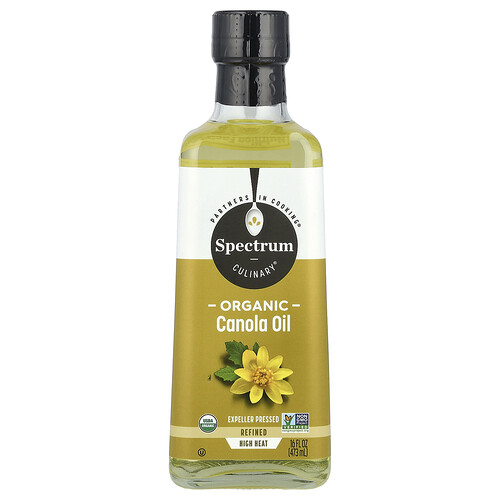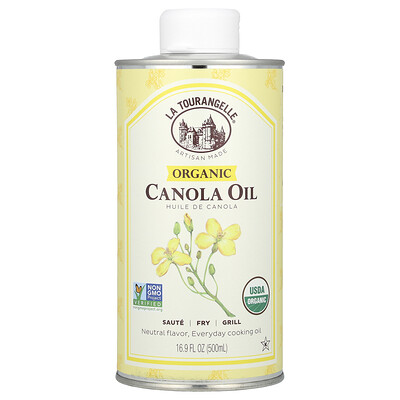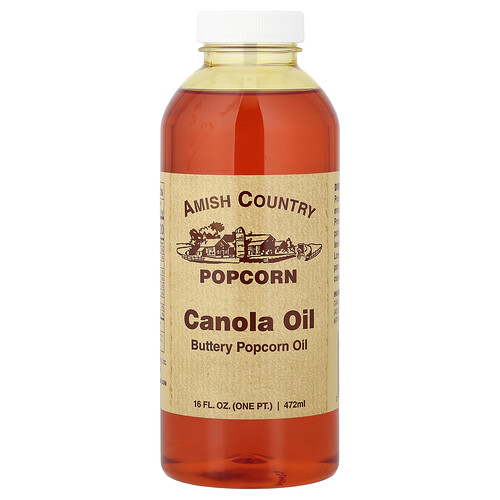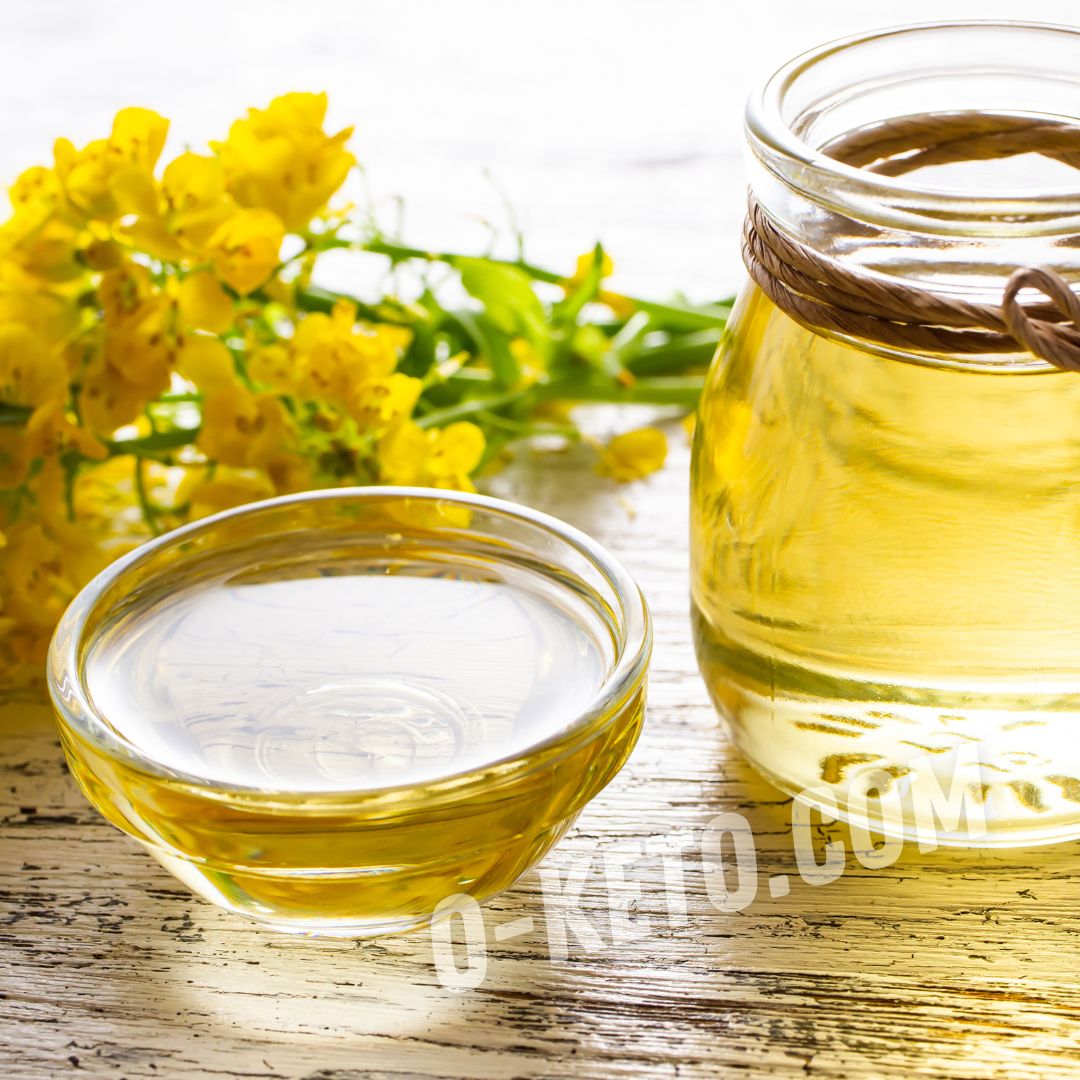

Canola oil is a vegetable oil made from low-erucic-acid rapeseed. In stores it is usually sold refined: neutral in flavor, light in color and stable enough for everyday cooking. In keto and LCHF it adds no carbohydrates, but quality, amount and heating method still matter.
By composition, canola oil is a fat, not a source of protein or carbohydrates. It contains monounsaturated and polyunsaturated fatty acids, as well as vitamin E. These features do not make the oil required, but they help define where it fits: as a cooking fat, dressing base or sauce ingredient.
Nutrition
One tablespoon of canola oil usually provides about 120 kcal and around 14 g of fat. There are no carbohydrates or protein in that serving. This means the oil does not directly affect the carbohydrate limit, but it can quickly raise the energy content of a dish, especially when poured without measuring.
- Calories: about 120 kcal per tablespoon;
- Fat: about 14 g;
- Carbohydrates: 0 g;
- Protein: 0 g.
For keto, it is important to separate zero carbohydrates from unlimited use. Oil is easy to add by eye, and two or three extra tablespoons can turn a light dish into a very high-calorie one. For salads, mayonnaise and sauces, it is better to measure the portion at least while adjusting the recipe.
Is It Keto-Friendly?
By carbohydrates, canola oil fits keto: it contains no sugar, starch or fiber. It can be used for moderate-heat frying, stewing, homemade sauces, marinades and dressings. Its neutral taste is convenient when a dish does not need the stronger aroma of olive, coconut or butter-based fats.
The main question is not ketosis, but the place of this oil among other fats. If the diet already includes mayonnaise, nuts, fatty meat, cream and cheese, extra oil may simply add more energy than needed. If lean foods need cooking or a sugar-free sauce needs body, a small measured serving of canola oil can be practical.
Some people prefer olive oil, butter, ghee or avocado oil because of flavor and lower perceived processing. That is a reasonable choice. Canola oil does not need to become the base of the diet; it is better kept as one option rather than the only cooking fat in the kitchen.
Refined and Cold-Pressed
Refined canola oil usually has almost no smell and handles heat better. It is convenient in dishes where the oil flavor should stay in the background. Cold-pressed canola oil is less common, may have a more pronounced aroma and is usually better for cold dressings than for long frying.
When choosing, read the label. The product should be simple, without added flavorings, sugar, starch or ready-made sauce mixes. If the oil is part of a marinade, mayonnaise or dressing, check the entire ingredient list: sweeteners, thickeners and extra carbohydrates may be present.
How to Use It
Canola oil is useful where a neutral fat without strong smell is needed. It can be added to homemade mayonnaise, salad dressing, marinade for poultry or fish, sauce for vegetables, omelets, skillet cooking and dishes with lean meat. In sugar-free desserts it is used less often because it does not provide a buttery flavor.
Practical options include:
- 1 teaspoon in a dressing to soften lemon or vinegar acidity;
- 1 tablespoon in a pan for several servings, not for one plate;
- a base for homemade sugar-free mayonnaise;
- a neutral fat for a marinade with spices and herbs;
- replacing part of a stronger oil when the dish needs a milder taste.
How to Store It
Keep the oil tightly closed, away from light, heat and air. A large bottle makes sense only if it is used quickly; during long storage, flavor and smell can decline. A rancid, sharp or paint-like odor is a reason not to use the product.
For everyday cooking, a small bottle or dispenser is more convenient because it helps avoid overpouring. After cooking, avoid reusing the same fat many times: repeated strong heating worsens the flavor and the dish. For salads, pour oil with a spoon rather than directly from a large bottle.
Substitutes
If a neutral fat is needed, avocado oil, refined olive oil, ghee or another option that fits the flavor and cooking temperature can work. For cold dressings, extra virgin olive oil, walnut oil or a mix of oil with lemon juice and sugar-free mustard is often chosen.
If canola oil is already in the kitchen, it can be used moderately, especially in dishes where it does not dominate the flavor. The key is to choose a simple ingredient list, avoid overheating, store it correctly and remember that zero carbohydrates does not mean zero calories.