
Creatine is a substance naturally present in muscles and involved in rapid ATP replenishment during short intense work. Supplements most often use creatine monohydrate: a well-studied, inexpensive, stable form with clear dosing. It is taken by strength athletes, people doing interval training, and anyone who cares about repeatable power across sets.
Creatine is not a stimulant and does not work like caffeine. It does not give an instant lift from one serving; it accumulates gradually. Regular use, enough fluid, and a clear dose matter more than complicated schedules or expensive forms with loud promises.
How it works
Part of creatine is stored in muscles as phosphocreatine. During short heavy effort, it helps replenish ATP faster, the molecule cells use as a quick energy source. This is most relevant for sprints, heavy sets, jumps, lifts, and repeated work with short rests.
The effect is not identical for everyone. It depends on diet, starting stores, muscle mass, training type, and regular intake. People who eat little meat and fish may notice the response more because food provides less creatine. In endurance training without a strength component, the difference may be less obvious.
Is it suitable for keto?
Pure creatine monohydrate contains no carbohydrates and usually fits keto and LCHF. Older advice often suggested taking it with sugar for an insulin response, but in practice a daily dose works without carbohydrate loading. On keto, it can be taken with water, an unsweetened electrolyte drink, sugar-free protein, or with a regular meal.
It is important to separate pure powder from ready sports blends. Pre-workout mixes, drinks, and “creatine” products may contain sugar, maltodextrin, flavorings, acids, caffeine, and other additions. For strict control, the simplest choice is a jar where the ingredient list says only creatine monohydrate.
How to take it
The simplest plan is 3–5 g per day. A loading phase of 20 g per day for 5–7 days, split into several servings, can saturate stores faster, but it is not required. Without loading, the result develops more slowly, with less chance of digestive discomfort. Timing is not critical: choose a moment that is easy to repeat every day.
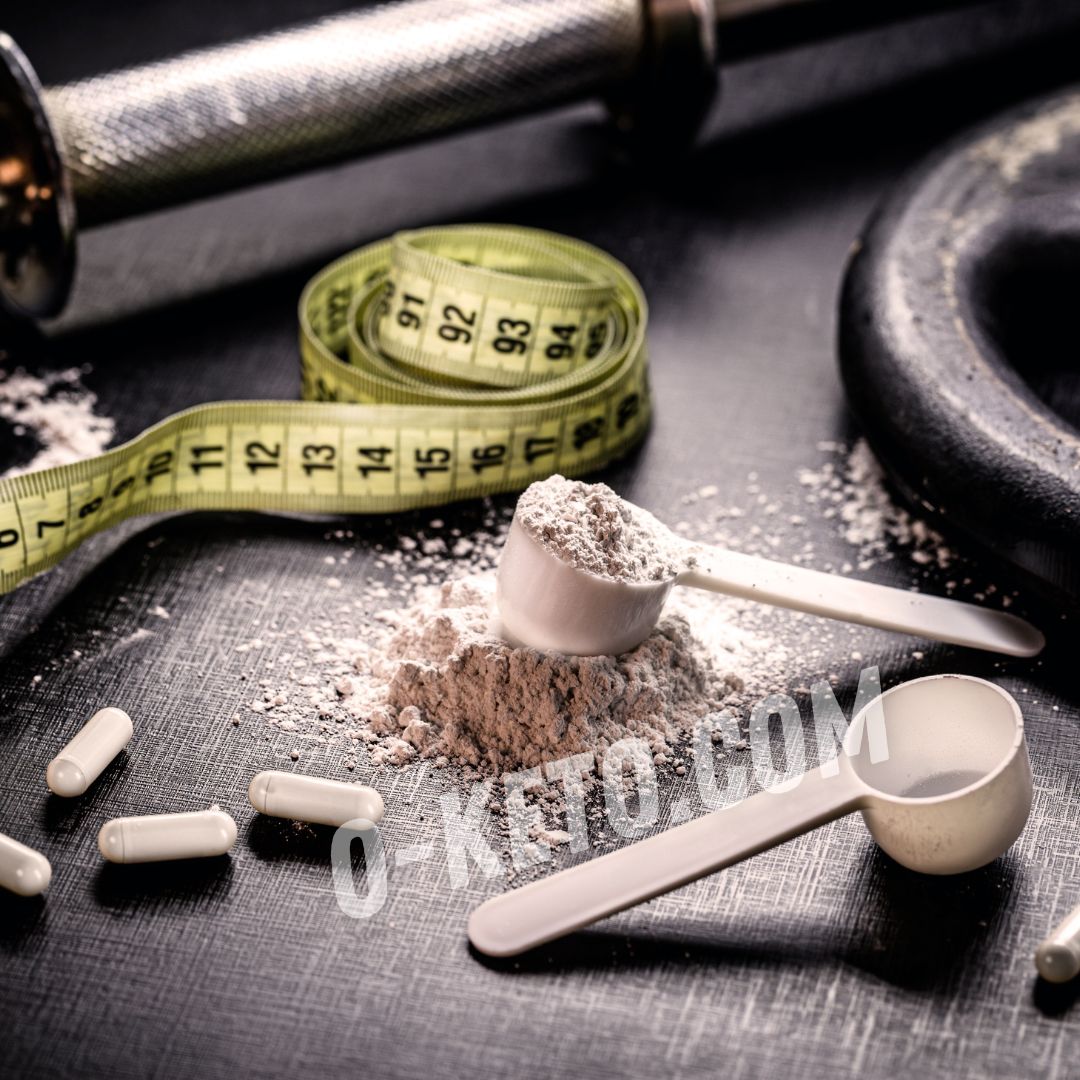
Mix the powder into water or a cold drink. It does not dissolve completely, so sediment at the bottom is normal; stir again and finish the glass. Do not pour a large dose into one sip and expect it to disappear without residue. If your stomach is sensitive, taking it with food is often easier.
What to watch
At the start, body weight may rise slightly because of water inside the muscles. This is not automatically fat and does not require sudden diet changes. With strength training, it is also important not to confuse the supplement with the full program: sleep, protein, electrolytes, workload, and recovery remain the base.
Creatine does not replace food, a training plan, or medical supervision. People with kidney conditions, pregnancy, teenagers, and anyone using regular medication should discuss use with a qualified professional. If persistent discomfort appears, reduce the dose or stop using it.
How to choose
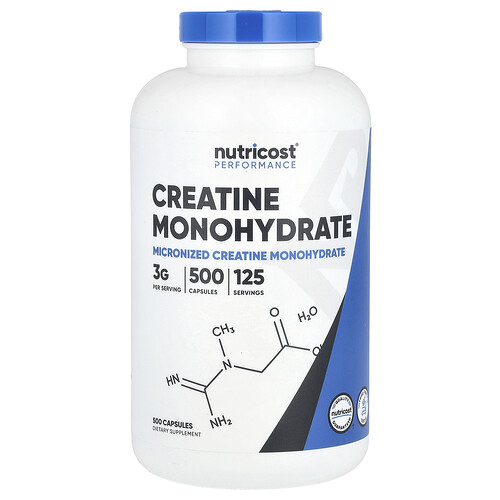
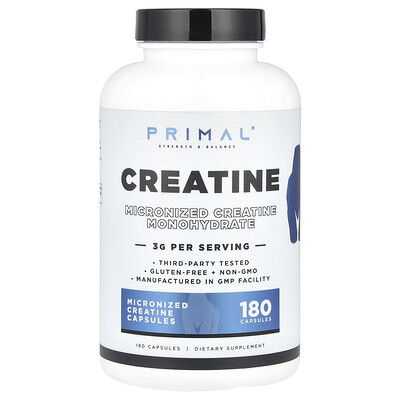
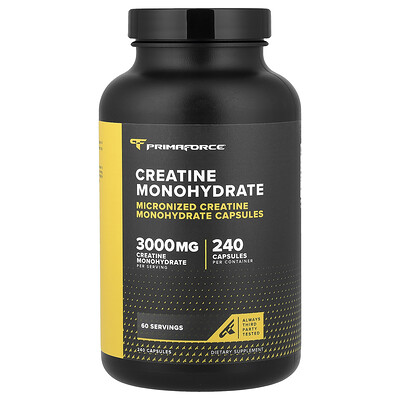
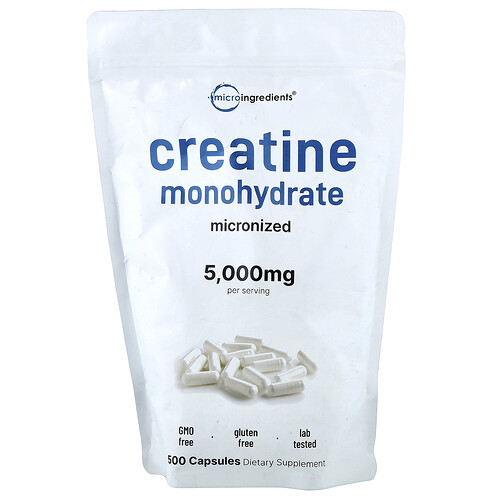
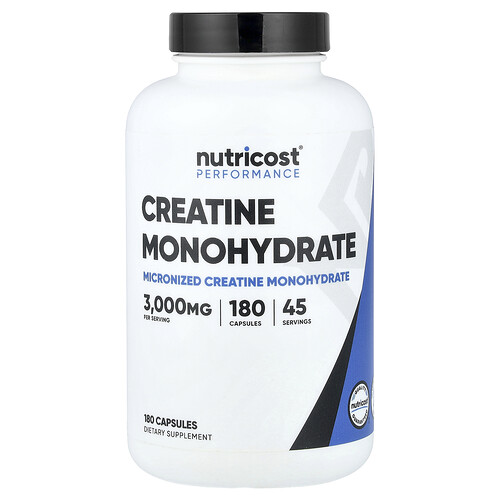
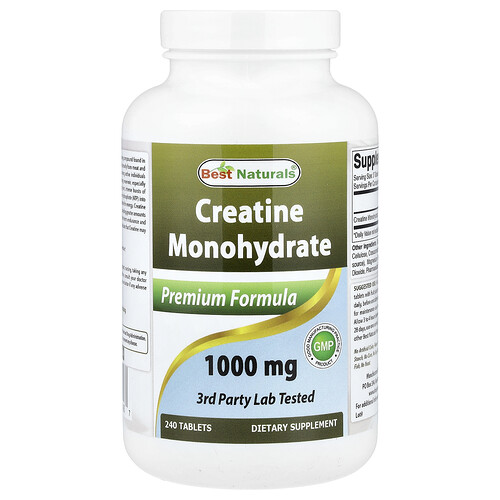
For most purposes, plain unflavored creatine monohydrate is enough. Micronized powder may mix more easily, but it does not change the basic dose. Capsules are convenient for travel but usually cost more per gram. Flavored versions are nicer to drink, but sweeteners and carbohydrates need checking.
A good product is dry and free-flowing, without damp smell or moisture clumps. The package should show the form, serving mass, number of servings, shelf life, and a clear ingredient list. If the scoop is unusual, weigh one serving on kitchen scales once.
Storage
Keep creatine in a tightly closed jar, away from moisture and steam. Do not store it near the stove or use a wet spoon. Clumps usually point to moisture rather than spoilage, but if there is an odd smell or the powder has become wet, replace the package. A prepared drink should not be stored for long: mix it and drink it.