


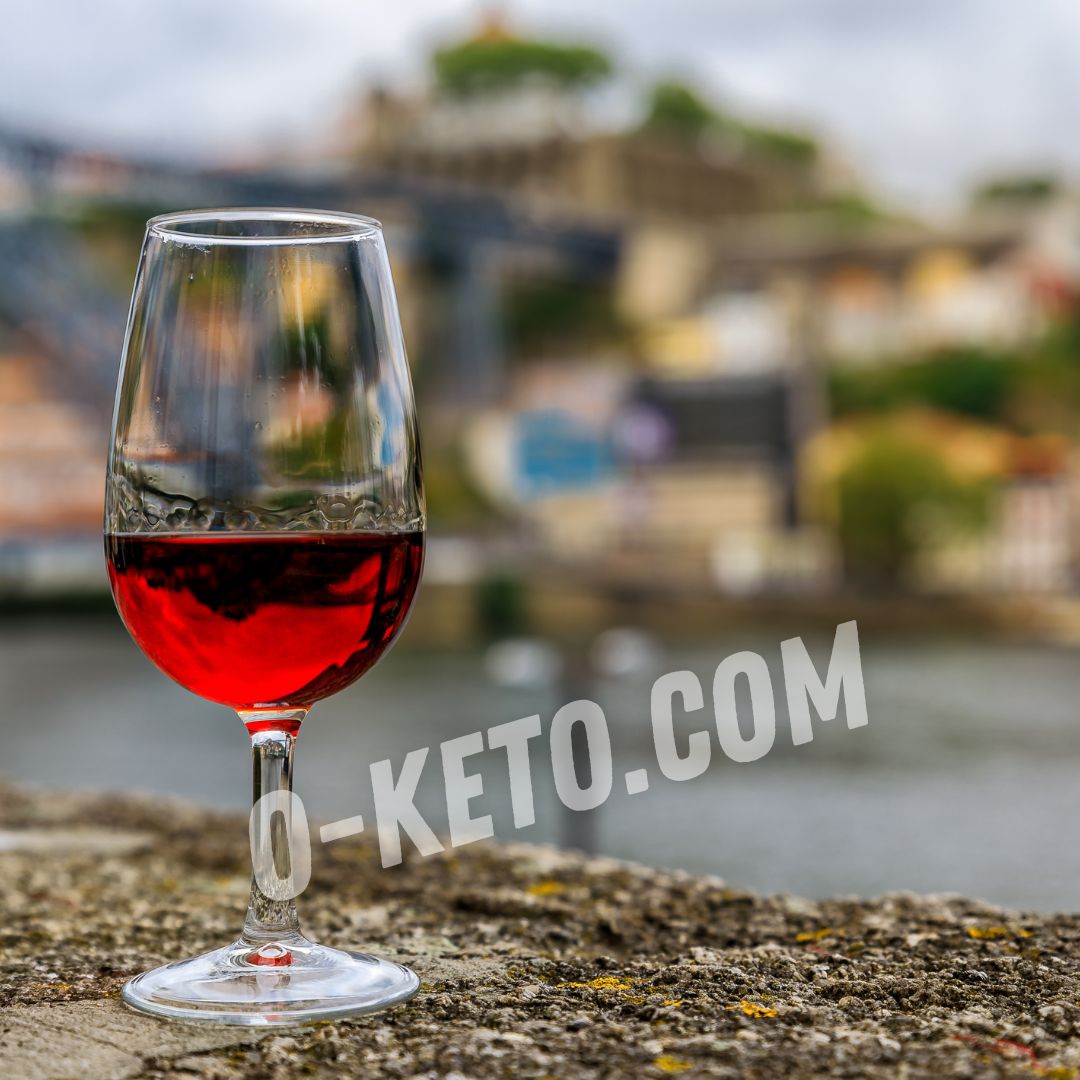

Port wine is a fortified wine from Portugal, historically connected with the Douro Valley. During production, fermentation is stopped by adding grape spirit, so part of the natural grape sugar remains in the drink. This gives port its character: high strength, sweetness, full body, and aromas of dried fruit, berries, nuts, spices, or caramel.
For low-carb eating, port is a difficult product. It is not dry wine: it contains more sugar and calories, and the portion only looks small. Even 50–100 ml can provide a noticeable amount of carbohydrates, so classic port wine usually does not fit strict keto.
Nutritional value
In 100 ml of port there are usually about 150–170 kcal and roughly 12–20 g carbohydrates, depending on style and sweetness. Alcohol strength is often around 19–20%. Protein and fat are almost absent, while alcohol and residual sugar provide most of the energy.
The glycemic index may be lower than in sweet sugar drinks, but that does not remove the carbohydrates. For keto, the real portion matters more than an abstract index: a glass of dessert wine can easily take a large part of the daily carbohydrate limit.
Types of port
Ruby is a young, bright, fruity style with berry flavor. Tawny is aged in wood and gives nutty, caramel, and dried fruit notes. Vintage is made from a strong harvest year and usually ages in bottle. White Port ranges from rather dry to sweet and is often used in cocktails.
The sweeter the style, the more careful the portion should be. Dry versions of white port may be slightly easier by sugar, but they are still fortified wine. Labels such as dry, semi-dry, ruby, tawny, or late bottled vintage do not replace checking the label and actual carbohydrates.
Is it suitable for keto?
For strict keto, port wine is usually unsuitable because of residual sugar. In a looser LCHF pattern, a very small portion may sometimes fit if it is planned into the daily limit and does not trigger cravings for sweet foods. But this is more of an exception than an everyday drink.
Dry red or white wine is usually easier to fit into a low-carb diet than port. Non-alcoholic sugar-free choices are even simpler: sparkling water, tea, coffee, herbal infusions, water with lemon, or drinks with clear ingredients.
How to serve it
Port is served in small portions, often 50–75 ml. Ruby is better slightly chilled and paired with cheese or a very small amount of sugar-free dark chocolate. Tawny opens well with nutty and creamy notes, but nuts also need to be counted for calories.
In cooking, port is used for sauces with meat, poultry, pâté, and cheeses. For keto this is risky if the sauce is reduced with sugar, fruit, or starch. If only aroma is needed, it is better to use a minimum amount and balance it with acidity, broth, butter, and spices.
How to choose
For carbohydrate control, style, sweetness, and portion size matter. If the producer lists sugar per liter, it can be recalculated for the serving. For example, 80 g sugar per liter is about 8 g sugar per 100 ml. Without such information, port should be treated as a sweet drink.
Good port should not smell of vinegar, dampness, mold, or harsh alcohol. Tawny may smell of nuts and dried fruit, Ruby of berries, and Vintage of dense dark fruit. A sticky taste and flat sweetness often indicate a simple dessert style.
Limitations
Port contains alcohol and sugar. It is unsuitable for children, pregnant women, people with alcohol intolerance, previous dependence, sugar restrictions, or situations where alcohol is excluded. Alcohol can also interfere with appetite control and food choices.
A new style is better tasted in a small glass, without a sweet snack.
After alcohol, some people sleep worse, want sweets more strongly, or more easily exceed their carbohydrate limit. Therefore, even a small portion should be deliberate, not an extra addition to dessert.
How to store it
A closed bottle is kept in a cool dark place. After opening, Ruby and Vintage are better consumed sooner, usually within days or weeks, while Tawny can last longer because of wood aging. The bottle is closed tightly and kept away from heat and direct light.
What can replace it?
If an alcoholic drink with less sugar is needed, dry wine or brut is more often chosen, but the portion is still limited. For flavor in sauces, a little dry wine, broth, vinegar, lemon juice, spices, and butter can be used. For a sweet dessert impression without alcohol, tea, coffee, sugar-free cocoa, or a creamy low-carb dessert are better.
Substitution options in recipes
Dry red wine. Plus ¼ tsp of erythritol per 100 ml. We obtain the desired acidity and sweetness without strong alcohol. Reduce the mixture to the volume of port wine to match the flavor concentration.


