


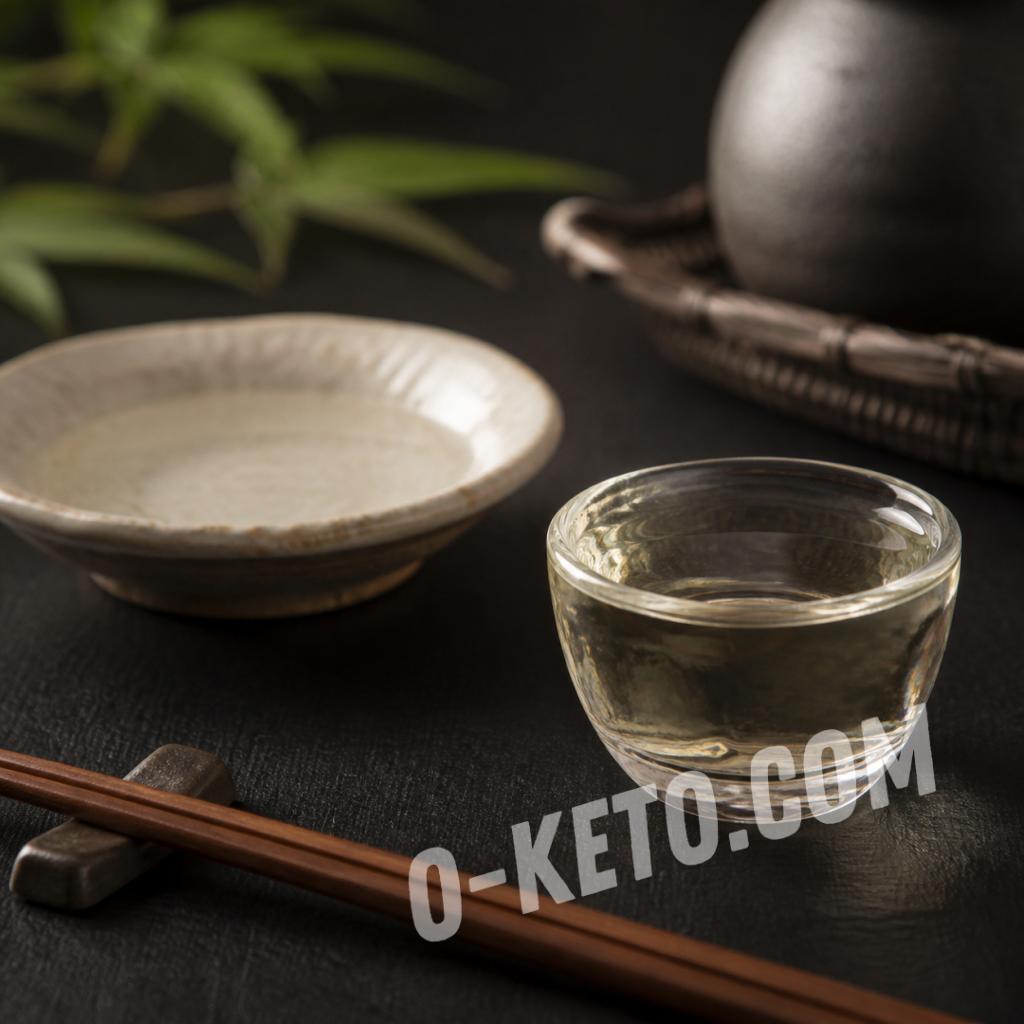

Sake is a Japanese alcoholic drink made from rice, water, yeast, and koji. It is often called rice wine, but its production relies on parallel saccharification and fermentation: koji enzymes break down starch while yeast produces ethanol.
Composition and flavor
The flavor can be dry, lightly sweet, fruity, creamy, or strongly umami. Labels may mention junmai, honjozo, and ginjo, reflecting rice polishing and the use of added distilled alcohol. Perceived sweetness does not always match alcohol strength.
Use sake as a drink or in marinades, sauces, soups, and fish dishes. Heating softens part of the aroma but does not guarantee complete alcohol removal. Adding it to a recipe does not make the dish alcohol-free.
How to use it
For cooking, choose a small bottle with clear alcohol strength and ingredients. Inexpensive cooking versions may contain salt, sugar, or preservatives, which must be counted separately from the drink itself.
Sake Count the portion by the actual weight and the label of the particular package: salted, smoked, dried, and fermented versions can differ substantially in sodium, moisture, and carbohydrates.
For a practical menu, use Sake in a measured serving and pair it with foods that do not duplicate its dominant flavor. This makes it easier to control the salt, acidity, fat, or carbohydrate load of the whole plate rather than judging one ingredient in isolation.
When calculating a dish, account for the form of the product: drying concentrates nutrients, cooking changes weight and density, and a sauce may add sugar, flour, oil, or alcohol. Those additions are not part of the plain raw ingredient.
How to choose
Sake is limited on keto: it contains available carbohydrate and a serving also provides alcohol and calories. A strict low-carbohydrate plan is better served by avoiding it or using only a small measured amount in cooking.
Introduce Sake gradually and taste the dish before adding the final salt. Strong ingredients often need less seasoning than a recipe suggests; excess additions hide the original flavor and increase the overall food load.
Keto and carbohydrates
Alcohol is unsuitable for children and pregnancy, for people with liver disease or relevant drug interactions, and for anyone advised to abstain. It can also worsen appetite control and dehydration.
If you are buying it for the first time, start with a small package. This lets you assess real saltiness, texture, and tolerance without creating a large stock of a perishable or strongly flavored ingredient.
Limits and safety
Sake developed through Japanese temple and court traditions, while modern classifications describe raw materials and processing. Cooking sake and premium drinking sake are not always interchangeable products.
When comparing packages, do not look only at calories. For Sake, moisture, edible yield, serving size, processing method, and secondary ingredients listed after the main raw material also matter.
A useful home test is to prepare a small portion without a complex sauce. This reveals the ingredient’s own aroma, saltiness, density, and aftertaste. If it works only because of sugar, large amounts of oil, or flavor enhancers, assess it as a finished mixture rather than as the plain food.
Nutritional value cannot be separated from serving context. The same ingredient may be a minor part of a balanced dish or a source of excess salt, sugar, and calories once combined with a ready-made sauce. Judge the complete recipe and serving size.
For a new purchase, save a photo of the ingredient list and compare it with your portion calculation. This is especially useful for salted, dried, alcoholic, and paste-like forms, where a small formulation difference can change the final values.
History and culinary role
Refrigerate an opened bottle and follow the label. Cloudiness or sediment may be normal in unfiltered styles, but a sharp vinegar smell, unexplained carbonation, or mold is not.
Storage
Store an unopened bottle of sake in a cool, dark place; refrigerate it after opening, especially when it is an aromatic style. Drink or cook with it within the period stated on the label. For cloudy, unpasteurized, or sediment-containing sake, follow the producer’s storage instructions first.
Substitutes
Dry white wine, dry sherry, or a small amount of rice vinegar diluted with water can replace sake. Add the substitute gradually because acidity and aroma change.


