


E212 (potassium benzoate)
A potassium salt of benzoic acid used in acidic drinks, sauces, and marinades to slow yeast and mold growth; it is a preservative, not a meaningful potassium source.
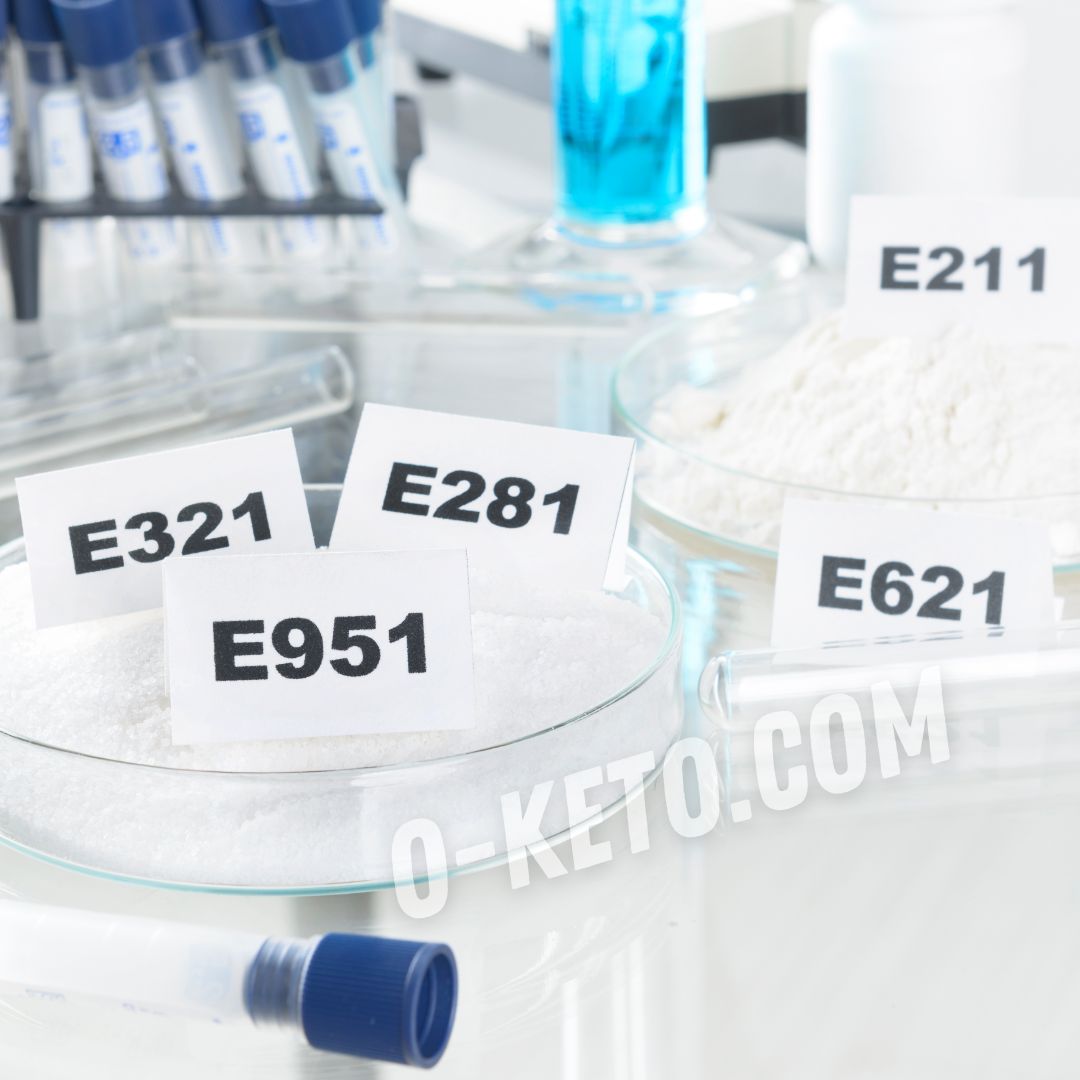
E212, potassium benzoate, is the potassium salt of benzoic acid. In food it is used for preservation, not for mineral nutrition or flavor. Its practical role is to slow the growth of yeasts, molds, and some bacteria when the product is already acidic enough for benzoates to work well. That is why E212 is more likely to appear in drinks, sauces, fruit bases, berry preparations, marinades, acidic fillings, and shelf-stable liquid products than in fresh meat, eggs, or plain vegetables.
How potassium benzoate differs from other benzoates
The active preservative part of this additive is the benzoate portion, which is related to benzoic acid. Potassium makes the substance easier to dissolve and dose in manufacturing, but it does not make E212 a useful potassium supplement. If someone needs more dietary potassium, the practical sources are food, mineral water, electrolyte formulas, or prescribed preparations when medically appropriate. A preservative in a beverage or sauce is not a sensible way to correct potassium intake.
In its antimicrobial logic E212 is close to E210, E211, and E213. In an acidic environment, benzoate can shift toward a form that interferes with microbial growth more effectively. This explains why the same preservative can be useful in a sour dressing but much less effective in a neutral food matrix. When the pH is too high, food technologists usually need other hurdles: pasteurization, sorbate, acetic acid, salt, refrigeration, vacuum packaging, fermentation, or a combination of methods rather than benzoate alone.
Where it is commonly used
Potassium benzoate is convenient in products where the manufacturer wants to preserve sour taste, clarity, or a pourable texture. It may be found in soft drinks, syrups, acidic sauces, berry ingredients, fruit preparations, pickled products, some dessert fillings, and ready-to-use mixes. In home cooking the same safety goal is usually approached differently: lemon juice, vinegar, salt, clean jars, refrigeration, shorter storage, smaller batches, and sometimes heat processing.
For low-carb eating, the additive itself is rarely the carbohydrate issue. At normal use levels E212 does not turn a food into a sugary food. The more important question is the rest of the formula. If potassium benzoate appears in a sweet drink, jam, syrup, fruit concentrate, or starch-thickened sauce, the carbohydrate load comes from sugar, maltodextrin, juice concentrate, starch, or similar ingredients. If it appears in a sugar-free acidic sauce, vinegar marinade, or non-caloric drink, the preservative by itself is not a reason to reject the product.
How to read the ingredient list
Benzoates work as part of a preservation system. A useful reading of the label therefore starts with the reason the product needs that system. A sour lemonade, bottled sauce, or long-life marinade reasonably needs protection against yeast and mold. A product with a long list of sweeteners, flavors, thickeners, acids, and colorants may be less desirable for reasons that have little to do with E212 alone: it may keep sweet cravings active, irritate the stomach, or make the diet feel less based on simple food.
People with reflux, gastritis-like symptoms, sensitivity to acidic drinks, or poor tolerance of bottled sauces should look at the whole exposure: acidity, carbonation, vinegar, citric acid, hot spices, sweeteners, sugar alcohols, alcohol, and portion size. Potassium benzoate can be part of a product that feels irritating, but it is seldom the only explanation. A practical test is to compare a homemade sauce without a preservative with a commercial version of similar acidity instead of blaming one E-number without context.
Safety and practical conclusion
EFSA has evaluated benzoic acid and its salts, including potassium benzoate, as a group of food preservatives. For the everyday reader, the important point is that such additives are regulated by food category and dose; they are not meant to be added freely without technological limits. At the same time, regulation does not replace individual tolerance. Someone who drinks many acidic soft drinks or relies heavily on packaged sauces may feel better by reducing those products, even if the preservative itself is not the main metabolic problem.
In keto and LCHF eating, E212 is best treated as a marker of an industrial acidic product. It does not stop ketosis by itself, does not provide a meaningful potassium dose, and does not replace normal food storage practices at home. If the product is occasional, sugar-free, portioned sensibly, and well tolerated, potassium benzoate is usually not the central concern. If it appears every day in sweet drinks, sour snacks, and bottled sauces, the stronger improvement is to simplify the diet and reduce those products as a group.
If you have any questions about the term "E212 (potassium benzoate)", you can ask them to AI. Please note, a low-cost OpenAI model is used. It may answer questions about disease treatment with errors!


 1 / 4
1 / 4 1 / 4
1 / 4
 1 / 4
1 / 4 1 / 4
1 / 4