


E319 (tert-butylhydroquinone, TBHQ)
TBHQ, or tert-butylhydroquinone, is a synthetic antioxidant used to protect oils and fats from rancidity during storage. In low-carb eating it matters as a marker of an industrial fat-containing formula, not as a nutrient source.
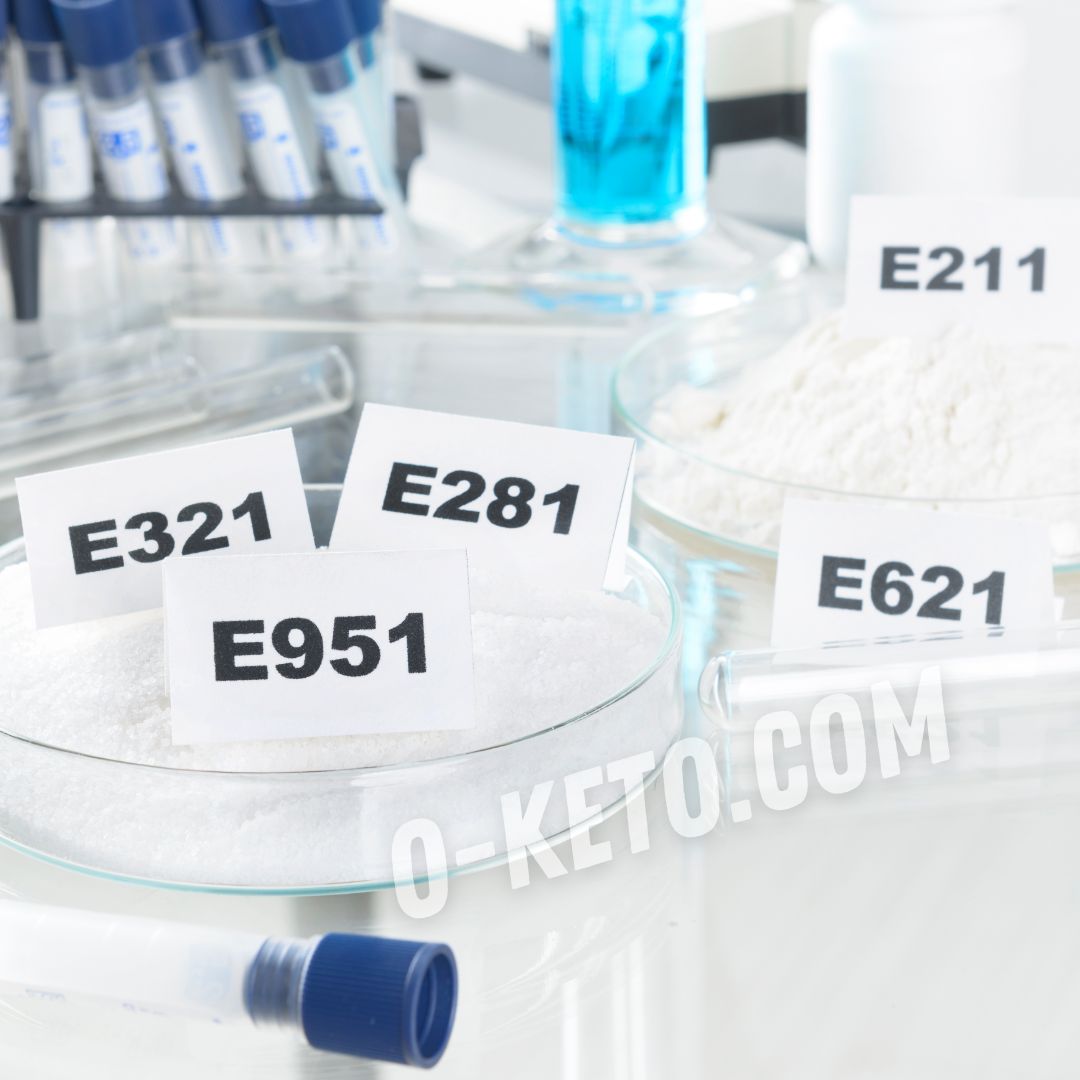
E319 is tert-butylhydroquinone, usually known as TBHQ. It is a synthetic antioxidant used to protect oils and fats from oxidation and rancidity, especially in products designed for long storage. It may appear in vegetable oils, fats, snacks, dry mixes, nut products and other foods with a fat phase. TBHQ is not a vitamin or nutrient; its job is to technologically extend fat stability.
Why TBHQ is used
Fats deteriorate under the influence of oxygen, light, heat and time. Oxidation creates rancid odour, unpleasant flavour and lower quality. In industrial products that need to be stored and transported for long periods, manufacturers want to slow these processes. Antioxidants such as E319 are used for that purpose.
TBHQ is especially associated with products where the fat phase may be hidden: snacks, dry mixes, nut products, powdered sauces and prepared foods. A buyer may see a dry or crunchy product, but technologically it contains fat that needs protection from oxidation.
What it does not fix
An antioxidant does not make poor fat good. If a product is built on cheap refined oils, old raw materials, overheated fats or a long industrial formula, TBHQ may slow deterioration but does not improve nutrient value. It protects product stability, not human health directly.
E319 also does not replace proper storage. Packages should be closed, products should not be kept in heat and light, and rancid smell remains a reason not to eat the food. Technological protection does not make fat endlessly stable.
Keto and LCHF
TBHQ is not carbohydrate and should not interfere with ketosis by itself. But products containing E319 often belong to industrial snacks, oils, dry mixes and processed formulas. For low-carb eating, the important question is not sugar in E319, but fat quality, product composition and frequency of use.
A low-carb snack may have few carbohydrates while containing refined oils, a lot of Omega-6, flavourings, sweeteners and antioxidants for long storage. Such a product may be formally keto, but it does not have to be a good foundation of the diet.
Tolerance and caution
In sensitive people, reactions to products with TBHQ may not be caused by the additive alone. An industrial formula may also contain colours, flavourings, sweeteners, spices, oxidized fats, nuts, dairy components or high salt. To understand a reaction, complete labels and repeatability of symptoms need to be compared.
During strict elimination diets, children’s diets, pregnancy, liver disease, strong additive sensitivity and repeated reactions to snacks, products with short ingredient lists are usually preferable. This reduces variables and makes tolerance easier to control.
How to read the label
E319 should be read as a marker of industrial fat-phase protection. It does not automatically make a product bad, but it suggests the product is designed for storage and contains fats the manufacturer wants to stabilize. That is a reason to check which fats are being used.
For everyday keto and LCHF, it is better to rely on fresh oils, butter, quality animal fats, whole nuts, homemade sauces and clear foods. TBHQ may be an allowed technological additive, but it should not justify frequent use of industrial snacks and dry mixes.
The context of frying and heating also matters. TBHQ may protect fat during storage, but that does not mean oil can be overheated indefinitely or reused many times without quality loss. For home cooking, choosing a suitable fat, avoiding overheating and not storing used oil for too long are more important.
If a product with E319 is bought regularly, it is useful to compare it with an alternative without a long industrial formula. Sometimes the difference in convenience is small, while the ingredient list becomes much clearer. For low-carb eating, that is often more important than formal absence of sugar.
TBHQ should also not mask the smell of old fat. If a product smells rancid, has an unpleasant aftertaste or causes discomfort, the antioxidant line is not a guarantee of quality. Fat freshness remains a practical criterion.
It is especially telling when E319 appears in a product designed to be extremely convenient: a packaged snack, powdered mix, flavoured paste or ready-made preparation. Convenience is often bought with long shelf life and complex fat stabilization. For daily eating, this should be distinguished from simple food that does not need such aggressive protection.
If a person wants to reduce ultra-processed foods, TBHQ can be used as one sorting marker. It is not the only one and not an absolute rule, but it is useful: when refined oils, flavourings and sweet components appear with it, the product is rarely the best choice as a dietary foundation.
If you have any questions about the term "E319 (tert-butylhydroquinone, TBHQ)", you can ask them to AI. Please note, a low-cost OpenAI model is used. It may answer questions about disease treatment with errors!

 1 / 4
1 / 4

 1 / 4
1 / 4 1 / 4
1 / 4 1 / 4
1 / 4
 1 / 4
1 / 4

