


Ketosis
A state in which blood ketone bodies rise and the body uses more fat as fuel can be nutritional, fasting-related or illness-related. Nutritional ketosis differs from ketoacidosis by normal pH, adequate insulin and stable wellbeing.


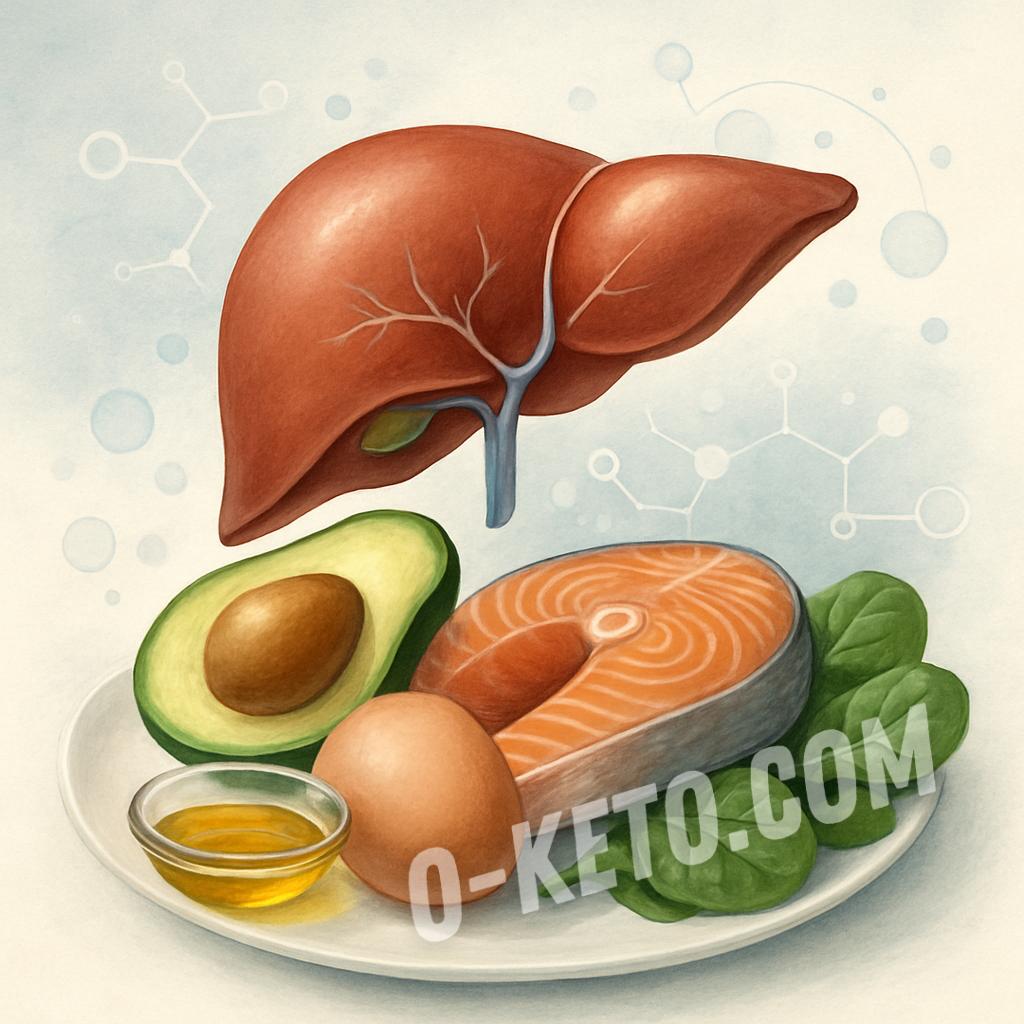
Ketosis is a state in which blood levels of ketone bodies rise: beta-hydroxybutyrate, acetoacetate and acetone. They are made in the liver from fatty acids and used as fuel by the brain, heart, muscles and other tissues. Ketosis can occur during low-carbohydrate eating, fasting, prolonged exercise, the overnight break without food and some medical states. The presence of ketones by itself does not mean disease.
Context is everything. Nutritional ketosis during keto or LCHF is usually a controlled state: enough insulin is present, glucose is not extremely high, blood pH remains normal, and the person can drink, eat and function. Ketoacidosis is different: ketones accumulate uncontrollably, acidosis develops, dehydration worsens and life can be at risk. These states should not be confused.
How ketosis develops
When carbohydrates are low or more time passes between meals, insulin decreases and fatty acids are released more actively from fat tissue. The liver converts some fatty acids into ketone bodies. At first, tissues may not use them efficiently, but adaptation improves this ability. This is why ketosis in the first days can feel different from a stable state after several weeks.
Ketone levels depend on carbohydrates, protein, calories, physical activity, sleep, stress, alcohol, medications and liver status. Ketones may fall after meals, rise after an overnight fast and change in either direction after training. This is normal. One number does not describe the whole metabolic picture.
Measuring ketones
Ketones can be measured in blood, urine or breath. Blood testing measures beta-hydroxybutyrate and usually gives the most useful current estimate. Urine strips reflect acetoacetate excretion and often become less precise during adaptation because the body uses ketones more efficiently. Breath devices estimate acetone and may be useful for trends, but they also have limitations.
Measurements are not necessary for everyone. They are useful in therapeutic keto, diabetes, SGLT2 inhibitor use, unusual symptoms or learning meal responses. For most people, glucose, appetite, sleep, energy, waist circumference, laboratory markers and diet sustainability matter more. Chasing high ketones can lead to inadequate protein and unnecessary anxiety.
Ketosis and safety
Nutritional ketosis in a healthy person with preserved insulin secretion is usually safe. In type 1 diabetes, insulin therapy, SGLT2 inhibitor use, pregnancy, severe illness, dehydration, vomiting and alcohol misuse, ketones require different interpretation. High ketones with feeling unwell, high glucose, vomiting, sleepiness, abdominal pain or rapid breathing require urgent medical assessment.
Ketosis should not be used to dismiss symptoms. If a person feels very unwell, cannot drink, faints, has severe weakness or signs of hypoglycemia, the issue is not only diet. Medications, infection, blood pressure, electrolytes and ketoacidosis risk must be considered. Safety matters more than an attractive meter reading.
Practical meaning
Ketosis can support appetite control, reduce glycemic load and make access to fat stores easier, especially within LCHF. It does not guarantee automatic fat loss. If calories are high, protein is low, sleep is poor and the diet consists of fatty desserts, ketones may be present without good results. Food quality still matters.
Good nutritional ketosis feels like stable energy, predictable appetite, normal blood pressure, preserved strength and clear thinking. If a person fears vegetables, protein and social situations for the sake of ketosis, the strategy should be softened. Ketosis is a tool for metabolic flexibility, not a goal at any cost.
The goal matters. A therapeutic ketogenic diet may require specific ketone ranges and supervision. For fat loss or appetite control, milder nutritional ketosis or even LCHF without consistently high ketones may be enough. For a person with diabetes who feels unwell, ketones become a safety signal rather than a performance metric.
Ketosis also does not remove the need for protein, minerals and normal digestion. If a diet produces ketones but causes constipation, loss of strength, insomnia, hair shedding or binge episodes, the strategy needs adjustment. Good ketosis should be part of functional nutrition, not a replacement for judgment.


If you have any questions about the term "Ketosis", you can ask them to AI. Please note, a low-cost OpenAI model is used. It may answer questions about disease treatment with errors!


