


Can the human body produce vitamin K2 on its own?
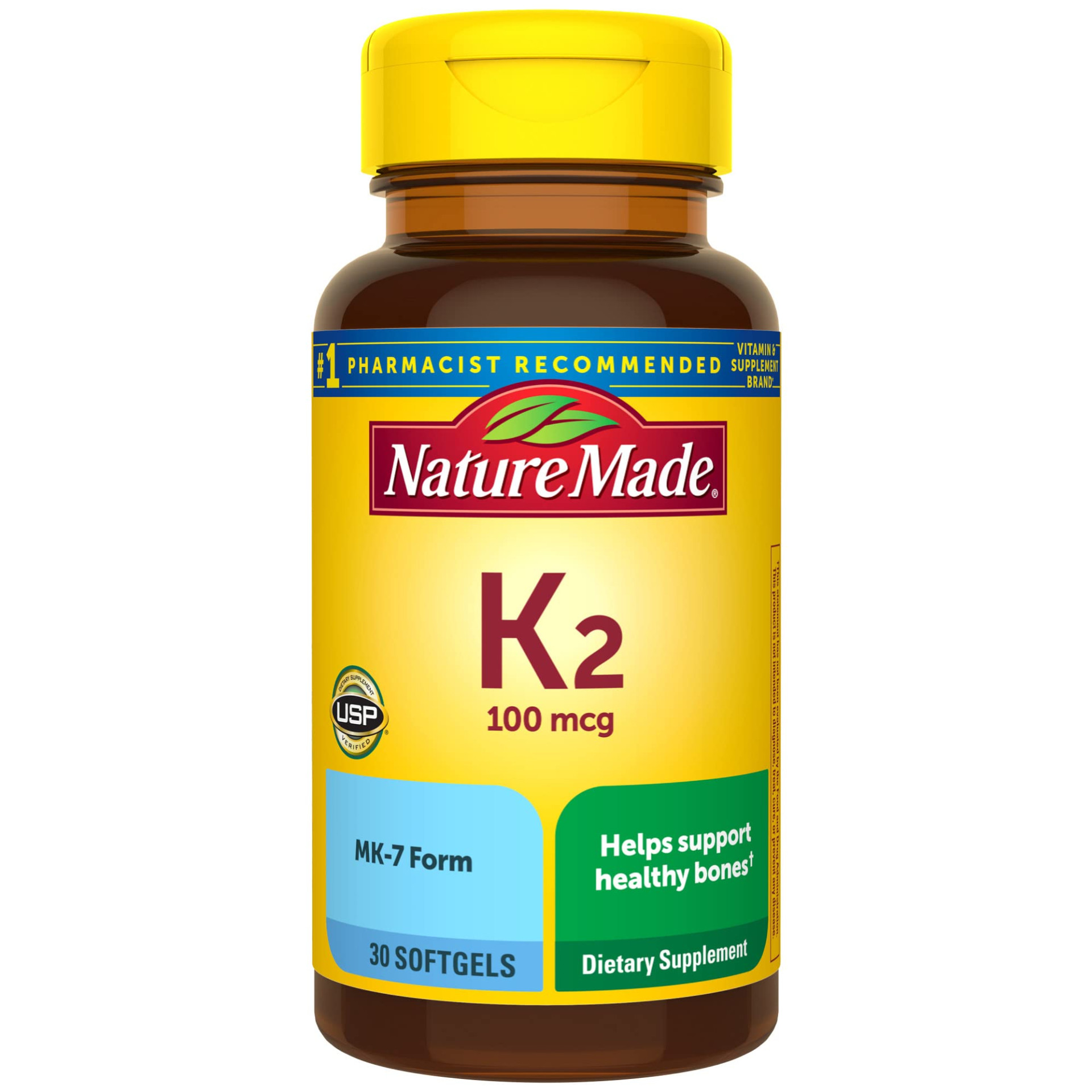

Vitamin K2 is mainly produced by lactose-positive microflora from lactose. If you do not drink milk or have predominantly lactose-negative microflora, then where will you get vitamin K2 from?
Vitamin K2 (menaquinone) can be significantly synthesized by the gut microbiota; however, without milk and lactose and with disrupted microbiota, a person loses one of the key pathways for the endogenous synthesis of vitamin K2.
Main sources of vitamin K2 in the body
Endogenous synthesis — by the flora of the large intestine, especially lactose-positive bacteria (Lactobacillus, Bifidobacterium, etc.). These bacteria use lactose as an energy source. During fermentation, they produce short-chain fatty acids and — among other things — menaquinones (primarily forms K2-MK-7, MK-8, MK-9).
If there is no lactose and a person does not consume dairy products:
- The lactose-positive flora suffers, and its numbers decrease.
- The level of vitamin K2 synthesis decreases.
If lactose-negative or pathogenic flora (e.g., Klebsiella, Clostridium difficile, etc.) predominates in the intestine, they do not synthesize K2 in bioavailable forms.
Intake from food — fermented products, fatty dairy products, eggs, liver, etc.
Conversion from vitamin K1 — in the tissues of the body (to a lesser extent).
Possible sources of K2 in the absence of lactose
If you do not consume milk, K2 can be obtained:
- from fermented products (natto, kimchi, sauerkraut),
- from eggs, liver, butter (MK-4),
- from supplements (MK-4 or MK-7),
- by restoring the microbiota with prebiotics (e.g., galacto-oligosaccharides) that stimulate the growth of the necessary flora even without lactose.
Conclusion
If the diet lacks lactose, and a person has a predominance of lactose-negative or pathogenic microbiota, then endogenous synthesis of vitamin K2 decreases sharply or stops.
Without external intake of K2 or restoration of the microbiota — the body risks facing multiple calcium metabolism disorders, including:
- demineralization of bones,
- calcification of blood vessels and soft tissues,
- and acceleration of aging processes.


Promo codes for iHerb
Valid for Saudi Arabia only. Limit two uses per customer with a max discount of $45 USD. Cannot be combined with other offers.
Valid until 03.04.2026
List of YouTube videos on the topic "Can the human body produce vitamin K2 on its own?":