


How to cure any autoimmune disease?
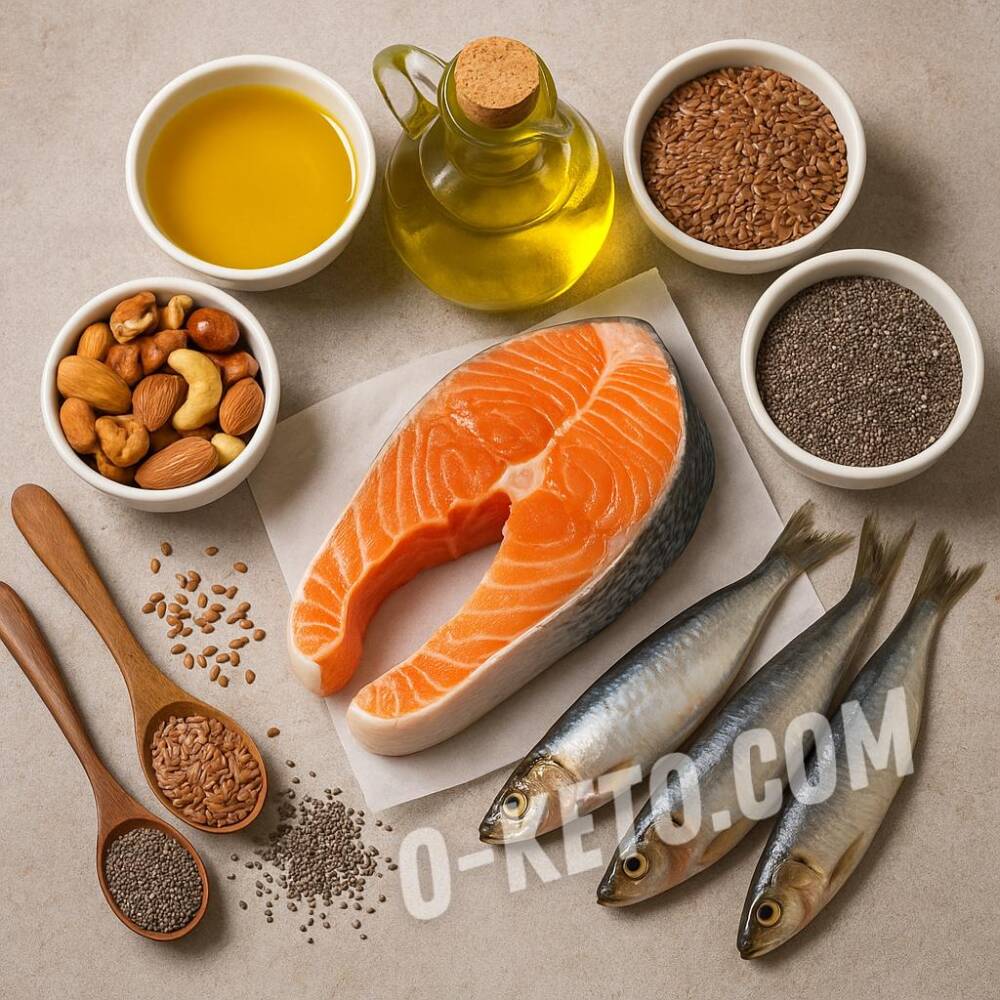

Any autoimmune disease is associated with the presence of chronic inflammation in the body. Therefore, any correction of autoimmune diseases begins with reducing the amount of omega-6 fats in the diet and increasing omega-3 fats.
Omega-6 and Omega-3: Competing Pathways of Inflammation
Omega-6 fatty acids (especially linoleic acid, LA, and arachidonic acid, AA) are involved in the synthesis of pro-inflammatory eicosanoids — leukotrienes, prostaglandins, and thromboxanes. These molecules initiate and amplify inflammatory responses, including in the joints, intestines, skin, and other tissues where autoimmune processes manifest.
Omega-3 fatty acids (EPA — eicosapentaenoic acid and DHA — docosahexaenoic acid) are used for the synthesis of anti-inflammatory mediators — resolvins, protectins, and maresins. These substances not only "slow down" inflammation, but they also promote its active resolution, meaning the restoration of homeostasis.
Why This Matters in Autoimmune Diseases
Autoimmune diseases are conditions in which the immune system is overly active and attacks its own tissues. In such situations, any systemic tendency toward inflammation exacerbates tissue destruction.
If the diet is dominated by omega-6 (for example, from refined vegetable oils, margarines, and processed foods), they provide a "fuel" for inflammatory cascades. This is especially critical in:
- rheumatoid arthritis;
- systemic lupus erythematosus;
- Crohn's disease and ulcerative colitis;
- psoriasis;
- autoimmune thyroiditis.
What Happens When the Ratio of Fats Changes
When the intake of omega-6 decreases and omega-3 increases, the following occurs:
- Competition for enzyme systems (e.g., Δ5-desaturase) decreases — omega-3 begins to displace omega-6 from metabolic pathways.
- Production of pro-inflammatory eicosanoids from arachidonic acid decreases.
- Production of anti-inflammatory and restorative compounds from omega-3 increases.
- Activation of NF-κB and other transcription factors that enhance the inflammatory response decreases.
- Systemic permeability of the intestinal barrier decreases, which is critically important, as "leaky gut" often precedes exacerbation of autoimmune reactions.
Practical Conclusion
Correcting the omega-6:omega-3 ratio — from 20:1 (typical Western diet) to 4:1 or even 1:1 — reduces the overall inflammatory background. This leads to a decrease in symptom severity, less frequent exacerbations, and better responses to other therapeutic interventions (diet, probiotics, vitamins, immunomodulators, etc.).
Thus, changing the fat profile of the diet is not just a "dietary recommendation," but a molecularly justified method of reducing inflammation and, therefore, — a key step in the strategy for managing autoimmune diseases.


Promo codes for iHerb
Valid for Europe and UK only. Cannot be combined with other offers and max discount of $50 USD. In-app only
Valid until 01.04.2026
Valid for Saudi Arabia only. Limit two uses per customer with a max discount of $45 USD. Cannot be combined with other offers.
Valid until 03.04.2026
List of YouTube videos on the topic "How to cure any autoimmune disease?":