


TOP-5 studies on disease treatment from 05.24.2026 to 05.31.2026
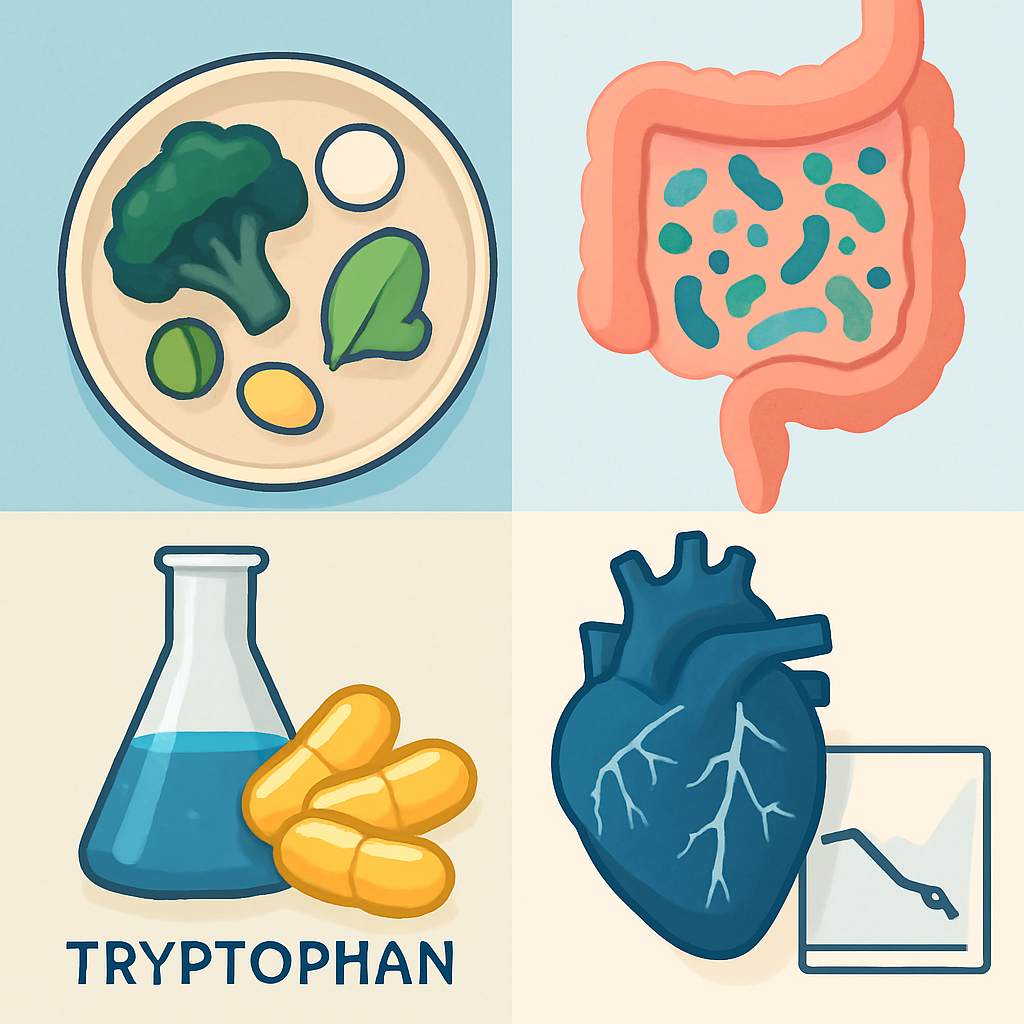

Increasing plant-based protein sources in the diet modulates gut microbiota and tryptophan metabolism in men with cardiometabolic risk; Early-onset colorectal cancer in Australia: ecological, microbial, and political implications; Metabolic dysfunction associated with liver steatosis: pathogenesis and new treatment options; Sex differences in cardiovascular-renal-metabolic syndrome: from pathogenesis to treatment response (Review); Research hotspots and new trends in endoplasmic reticulum stress regulation by traditional Chinese medicine: a bibliometric analysis perspective.


5. Increasing plant protein sources in the diet modifies gut microbiota and tryptophan metabolism in men with cardiometabolic risk.
About the study.
The study aims to evaluate the impact of partial replacement of animal protein with plant sources on fecal microbiota composition and metabolome in men with increased cardiometabolic risk. In a randomized controlled crossover trial, participants followed two diets: a flexitarian diet high in plant protein.
Results.
Replacing animal protein with plant sources led to changes in fecal microbiota composition and metabolomes, confirmed by significant differences between groups.
4. Early-onset colorectal cancer in Australia: ecological, microbial, and political implications.
About the study.
The aim of the study is to summarize current data on the causes of early colorectal cancer in Australia, focusing on microbial, dietary, and chemical factors. Traditional risks and their impact on disease development are discussed.
Results.
There is evidence that gut dysbiosis and exposures that disrupt mucosal protective functions or cause direct DNA damage play a significant role in the development of early colorectal cancer. Colibactins produced by Escherichia coli may cause a characteristic mutational signature enriched in early and distal tumors.
3. Metabolic dysfunction associated with liver steatosis: pathogenesis and new treatment options.
About the study.
The mechanisms of pathogenesis of metabolic dysfunction associated with liver steatosis and new therapeutic approaches are discussed. Advances in diagnostics and the development of new drugs are addressed.
Results.
The available abstract does not describe the results in sufficient detail.
2. Sex differences in cardiovascular-renal-metabolic syndrome: from pathogenesis to treatment response (Review).
About the study.
The review focuses on the investigation of sex differences in cardiovascular-renal-metabolic syndrome (CKM), emphasizing pathogenesis and treatment responses. Differences in morbidity, progression, and outcomes between men and women are discussed.
Results.
Pre-menopausal women have protective cardiovascular and renal profiles, while men more often face more severe organ damage and faster disease progression. After menopause, women's advantages diminish, and in some groups, they may have worse outcomes at comparable stages of CKM.