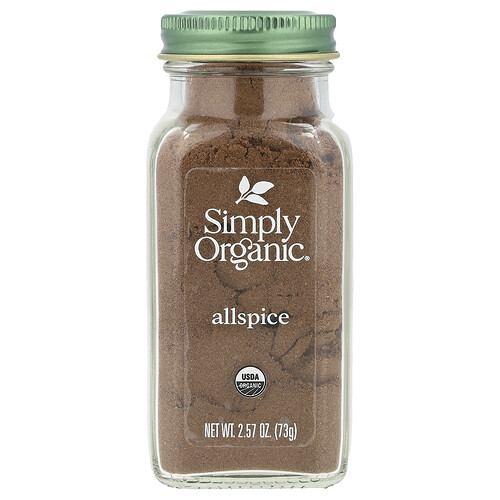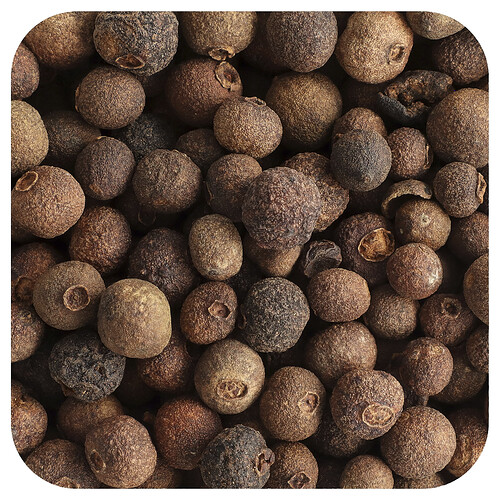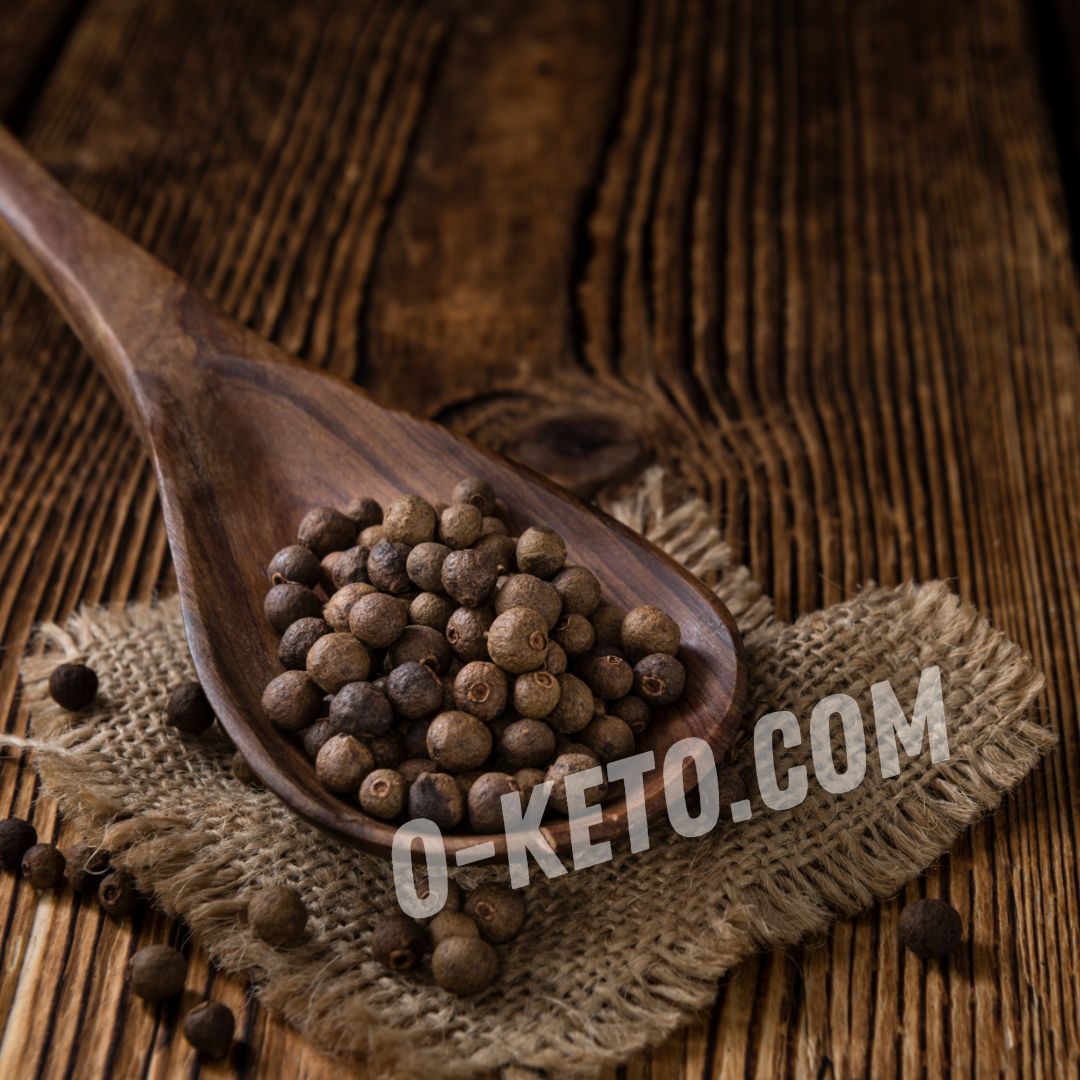

Allspice is the dried berry of the Pimenta dioica tree. Its aroma suggests black pepper, clove, cinnamon, and nutmeg at the same time, which is why the English name is so literal. In everyday cooking it is often used as whole berries in broths, marinades, braises, aspic-style dishes, and pickles, while the ground spice goes into sauces, minced meat, pâtés, spice rubs, and low-carb baking.
It should not be confused with black pepper, cubeb pepper, or a ready-made blend of several spices. Allspice is a separate spice with mild warmth and a rounded, slightly sweet fragrance. In a dish it is rarely the main sharp note; it works more as a background layer that makes meat, fish, poultry, mushrooms, and vegetable sides taste fuller.
Nutritional value
Per 100 g, dried allspice may contain about 250 kcal, around 6 g of protein, 5 g of fat, and up to 50 g of carbohydrates. Those numbers look large only because 100 g is not a normal serving. A realistic amount is usually 1-2 g, often less. At that dose, the contribution to carbohydrates and calories is very small, while the aroma is noticeable even after long simmering.
Allspice contains aromatic oils, tannins, and mineral elements. It is not practical to treat it as a meaningful vitamin source, because the portion used in cooking is too small. Its real value is culinary: it helps make simple foods more expressive without sugar, sweet sauces, or starchy thickeners.
Place in keto and LCHF
Allspice usually fits keto and LCHF because it is used in tiny amounts. It does not turn a meat broth, stew, or marinade into a high-carb food by itself. The issue is usually what it is mixed with: commercial marinades, barbecue sauces, ketchup-style sauces, and spice blends may contain sugar, syrup, flour, or starch.
If you count carbohydrates strictly, it is easier to weigh the whole dry spice blend used in a recipe rather than each berry separately. For homemade broth, pâté, or braised meat, a few berries per pot are often enough. Ground allspice needs a lighter hand because it opens quickly and can dominate delicate ingredients.
How to use
Whole berries are best for dishes that cook for a long time in liquid. Add them near the beginning, then remove them before serving so nobody bites into a hard spice berry. In broths, allspice pairs well with bay leaf, onion, celery, parsley root, thyme, and black pepper.
Ground allspice is better added near the end of cooking or mixed into minced meat, sauces, keto crispbreads, offal pâtés, and spiced nut mixes. In low-carb sweet dishes it can replace part of the cinnamon or nutmeg, but the dose should be modest: a pinch often gives more aroma than expected.
How to choose
Whole berries are usually the better choice because they keep their aroma longer and are easier to assess. Good allspice smells warm, spicy, and slightly sweet, without dampness, mold, or harsh bitterness. The berries should be dry, fairly even in size, and free of grey coating or foreign particles.
Ground allspice is convenient but fades quickly. If you need powder, buy a small package and check the ingredients list: it should contain only allspice. Blends with salt, sugar, flavor enhancers, or starch are best avoided unless you have a clear reason to use that exact product.
What it pairs with
Allspice works especially well with beef, lamb, pork, poultry, rich fish, mushrooms, cabbage, tomatoes, eggplant, and sugar-free pickled cucumbers. It belongs in aspic-style dishes, stews, homemade sausages, soups, brines, and cream-based or tomato-based sauces.
In keto cooking, it is useful when repeated protein dishes start to taste flat. A few berries in broth or a small pinch in minced meat can change the character of the meal without adding meaningful carbohydrates. For delicate fish, eggs, and fresh salads, use it sparingly or choose a lighter herb instead.
Limits and storage
Strong spices may bother people who are sensitive to pungent foods, especially if they tend to feel burning or reflux after heavily seasoned meals. Start with a very small dose if you are unsure, and avoid using allspice in every dish. For children or anyone who needs milder food, keep the seasoning gentle.
Store allspice in a tightly closed jar away from light, steam, and heat from the stove. Whole berries usually keep their aroma much longer than ground powder. If the smell becomes flat, dusty, or stale, replace the spice; old allspice is unlikely to ruin a dish, but it will not add much flavor either.
Substitutes
There is no exact substitute because allspice has its own profile. For meat dishes, try a little black pepper, clove, and bay leaf. For low-carb spiced desserts, the closest direction is cinnamon, nutmeg, and a tiny pinch of clove. In marinades, black pepper with coriander and bay leaf can help, but the final taste will be different.