


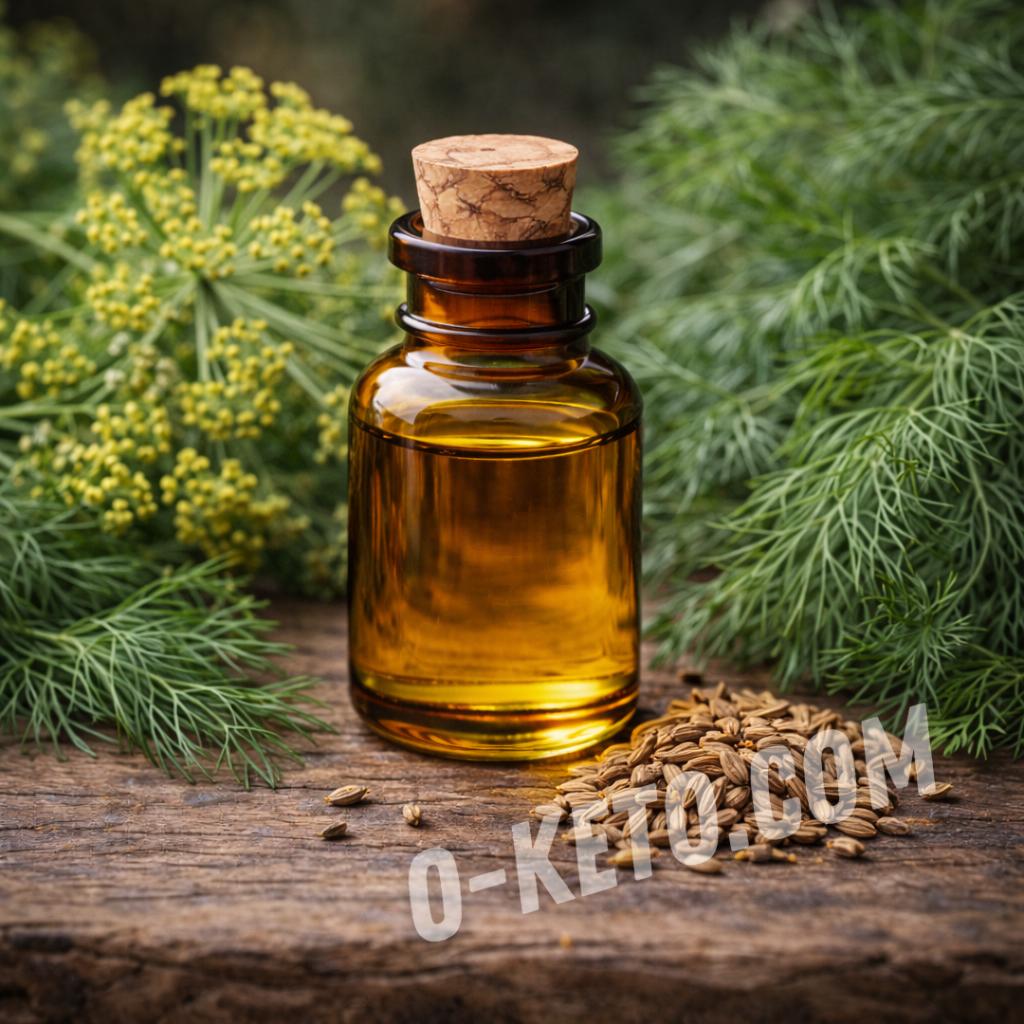

Fennel essential oil, obtained from the seeds of the plant Foeniculum vulgare, is classified as a classic essential oil with pronounced physiological activity. Its sweet, anise-like aroma is well known in both culinary traditions and healing practices throughout different eras. The main value of fennel lies in its effects on the digestive, hormonal, and nervous systems, which is why the oil is widely used in aromatherapy, folk medicine, and complementary body practices.
Fennel has long been used as a plant that supports the functioning of the gastrointestinal tract, reduces spasms, and improves food absorption. The essential oil concentrates these properties and, when used correctly, has a gentle yet pronounced effect on the body, combining physical and psycho-emotional effects.
History and Origin
Fennel is an indigenous plant of the Mediterranean and has been known to humanity for over three thousand years. In Ancient Egypt, it was used to improve digestion and reduce intestinal colic. In ancient Greece and Rome, fennel was associated with clarity of mind, endurance, and recovery after physical exertion.
In the Middle Ages, the plant was used as a protective agent and added to medicinal mixtures for colds and metabolic disorders. With the development of steam distillation, fennel essential oil became an independent product used in medicine and aromatherapy.
Chemical Composition and Beneficial Properties
Fennel essential oil is characterized by a high content of biologically active compounds. The main components include anethole, fenchone, limonene, and phellandrene. It is anethole that defines the characteristic sweet aroma of the oil and its key physiological effects.
- spasmolytic action, especially pronounced concerning the smooth muscles of the intestines;
- support for digestion, reduction of bloating and heaviness;
- anti-inflammatory and mild antiseptic effect;
- support for the respiratory system during colds;
- gentle influence on hormonal balance, especially in women.
At the level of the nervous system, fennel oil helps reduce internal tension, decreases anxiety, and aids in states of emotional overload.
Application in Aromatherapy and Folk Medicine
In aromatherapy, fennel essential oil is used to create a sense of warmth, comfort, and bodily stability. Its aroma is well-suited for evening practices aimed at relaxation and recovery after stress.
- diffusion to reduce nervous tension and improve emotional background;
- inhalations for colds and respiratory congestion;
- massage of the abdominal area for spasmodic conditions and discomfort;
- inclusion in massage blends for muscle relaxation and improved lymph flow.
In folk medicine, fennel oil has traditionally been used for digestive disorders, coughs, and to alleviate menstrual discomfort. Its use always involves dilution in a carrier oil and adherence to minimal dosages.
Contraindications and Precautions
Fennel essential oil has a high concentration of active substances and requires careful use. It is not used in its pure form and is always diluted in a carrier oil.
- pregnancy and lactation;
- estrogen-dependent conditions;
- childhood;
- individual intolerance and allergic reactions.
Before regular use, it is recommended to conduct a skin test and consult a specialist. When used correctly, fennel essential oil is an effective and multifunctional means of supporting physical and emotional balance.


