


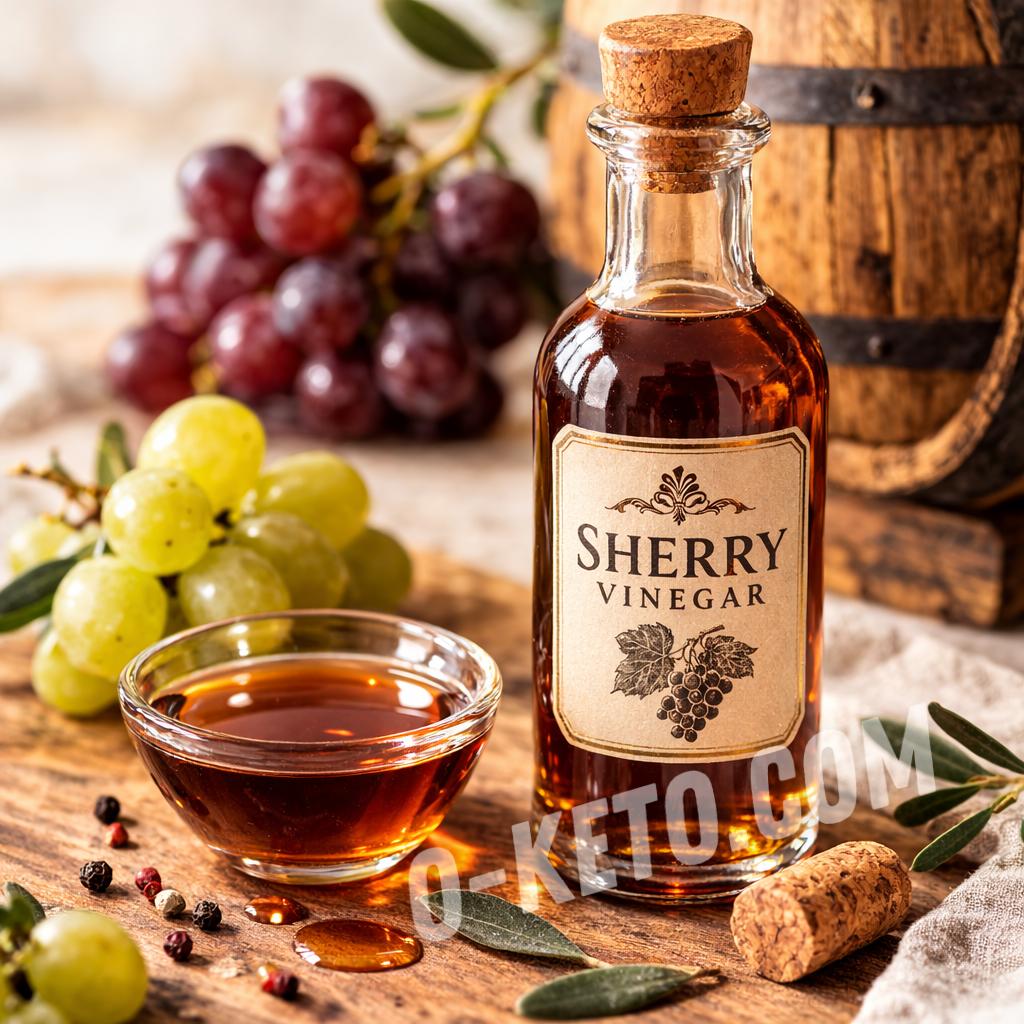

Sherry vinegar — is a wine vinegar made from sherry wine and aged in oak barrels. It is characterized by a mild acidity, complex aroma, and distinctive nutty and woody notes. Due to its long aging and production features, this vinegar is considered one of the most aromatic types of wine vinegar and is widely used in Spanish cuisine.
History and Origin
Sherry vinegar is produced in southern Spain, in the Andalusia region, near the city of Jerez de la Frontera. It is here that the famous sherry wines are made, which serve as the basis for vinegar production. The traditions of vinegar production in this region date back many centuries and are closely linked to the development of winemaking.
True sherry vinegar has a protected geographical indication and can only be produced in certain areas of Spain. It is made from wines made from the Palomino, Pedro Ximénez, and Muscat grape varieties.
Production of Sherry Vinegar
The production process includes several stages and largely resembles the aging of sherry wine:
- obtaining sherry wine from grapes;
- natural acetic fermentation, during which acetic acid is formed;
- aging the vinegar in oak barrels;
- maturation using the solera system, where the vinegar gradually blends with older batches.
Aging can last from several months to many years. The longer the vinegar is aged, the richer and more complex its flavor becomes.
Main Types of Sherry Vinegar
Depending on the aging time and the wine used, several varieties are distinguished:
- vinagre de jerez — classic sherry vinegar aged for at least several months;
- vinagre de jerez reserva — aged longer and has a richer flavor;
- vinagre de jerez gran reserva — aged for many years and has a dense aroma and mild acidity.
Nutritional Value
Sherry vinegar contains very few calories and carbohydrates:
- caloric content of about 2–3 kcal per tablespoon;
- carbohydrates less than 1 g;
- trace amounts of minerals and polyphenols.
The main component is acetic acid and a small amount of organic acids and aromatic compounds formed during fermentation and aging.
Culinary Uses
Sherry vinegar is valued for its ability to enhance the flavor of foods and add depth to dishes. Its mild acidity makes it more delicate compared to regular wine vinegar.
It is most commonly used as:
- salad dressing;
- marinades for meat and fish;
- sauces for vegetable and meat dishes;
- addition to stews and casseroles;
- pickling vegetables.
It pairs especially well with olive oil, vegetables, seafood, mushrooms, and meat.
Conclusion
Sherry vinegar is a traditional product of Spanish gastronomy with a rich history and complex aroma. Thanks to aging in oak barrels, it acquires a mild taste and layered aroma, making it a versatile seasoning for a variety of dishes.


