


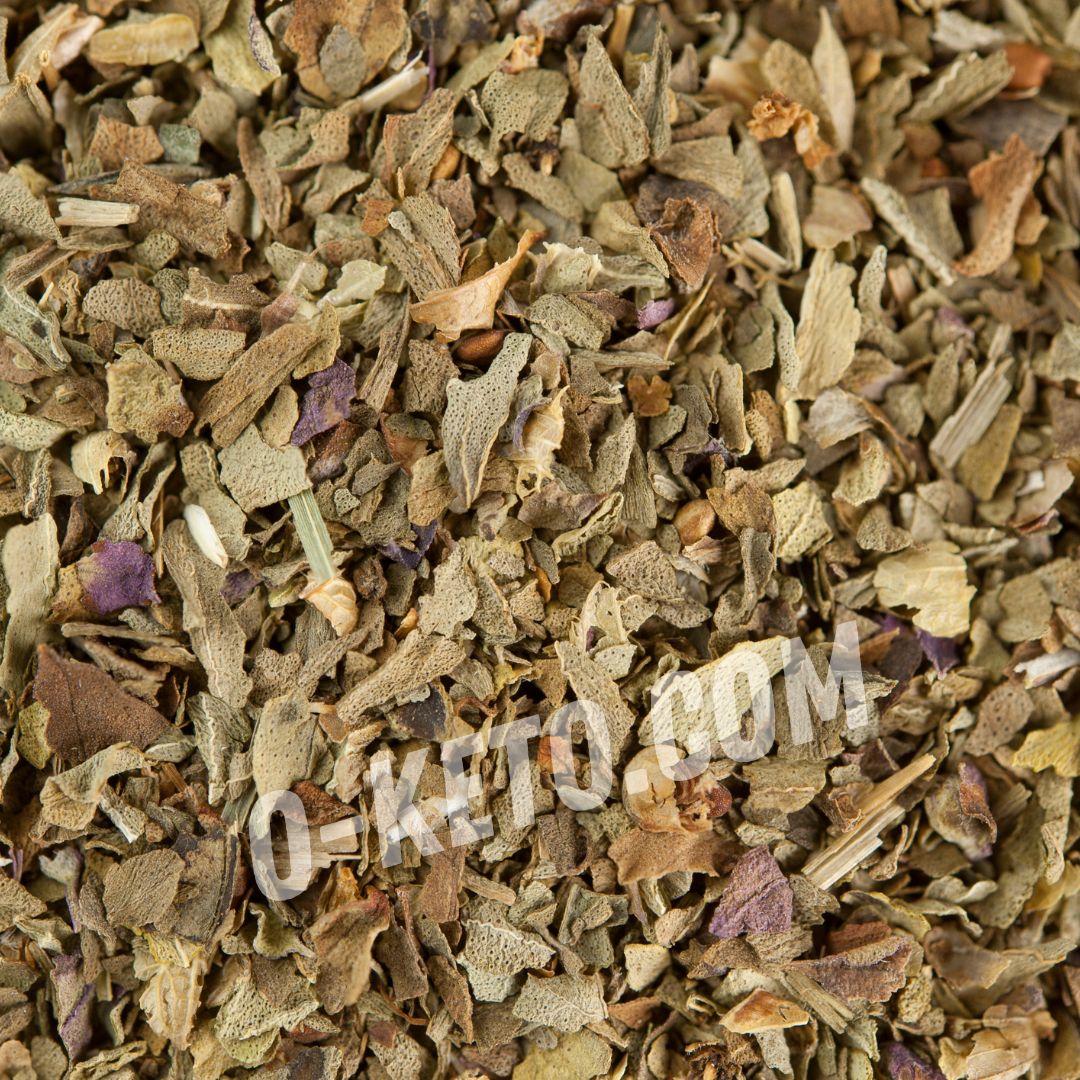

Dried basil is basil leaves that have been dried and crushed into flakes or powder. It is easier to keep than fresh basil: it does not wilt in a day, takes little space, and is always available for sauces, meat, fish, eggs, vegetables, and homemade dressings. Its aroma is warm, sweet-spicy, with notes of clove, pepper, herbs, and light mint, but it is drier and calmer than the scent of fresh leaves.
Basil comes from tropical Asia and has long been part of many cuisines. It is known from Italian tomato sauces, Mediterranean marinades, Thai dishes, Indian spice blends, and simple vegetable stews. There are many varieties: sweet, lemon, purple, Thai basil. In dried form, sweet basil is the most common, but aroma differs greatly between producers.
Nutrition
Per 100 g, dried basil may look like a high-carbohydrate ingredient: reference values often show about 250 kcal, around 20 g of protein, a few grams of fat, and a large amount of carbohydrates with fiber. In everyday cooking, however, that number is not very practical because a portion is usually half a teaspoon, one teaspoon, or a few pinches. In a real dish, its contribution to carbohydrates and calories is small.
The leaves contain aromatic oils, minerals, and plant polyphenols, but dried basil should not be treated as a vitamin supplement. Its role is culinary: it adds aroma, makes simple food taste less flat, and can reduce the need for sweet sauces or ready-made seasonings that contain sugar.
Keto and LCHF
Dried basil usually fits keto and LCHF when used as a spice. It barely changes the macros of a serving, while it works well with foods often used in low-carb cooking: eggs, cheese, chicken, fish, minced meat, zucchini, eggplant, mushrooms, cauliflower, olives, and salad greens.
The caution is not the basil itself, but ready-made blends. “Italian herbs,” “pizza seasoning,” and sauce powders may contain sugar, starch, breadcrumbs, maltodextrin, or flavor enhancers. If strict carbohydrate control matters, choose pure dried basil or a blend whose ingredient list contains only herbs and spices.
How to use it
Dried basil behaves differently depending on when it is added. In sauces, stewed vegetables, and minced meat, it can go in during cooking: heat and moisture help the dry leaves release aroma. In salad dressings, curd-based sauces, and egg dishes, it is better to add it a few minutes in advance so the flakes can soften.
For a stronger smell, rub the basil between your fingers before adding it. But do not use too much: excess dried basil can bring dusty bitterness and the taste of an old herb mix. For a low-carb tomato-style sauce, basil works well with oregano, garlic, black pepper, and olive oil. For chicken and fish, it can be mixed with lemon, paprika, and a small amount of thyme.
Pairings
The best pairings are tomatoes in a moderate portion, mozzarella, hard cheeses, chicken, turkey, white fish, shrimp, zucchini, eggplant, mushrooms, olives, cream sauces, garlic, and olive oil. In low-carb pizza without a grain base, dried basil can be added both to the sauce and over the topping. In an omelet, it works especially well with cheese and mushrooms; in a salad, it is best used in an oil-and-vinegar dressing.
In Thai or Indian dishes, dried sweet basil does not always replace fresh Thai basil. It lacks the same anise-like sharpness and juicy leaf texture. In those recipes, it can provide an herbal background, but it will not reproduce the main character of the dish. For a fresher accent, combine it with parsley, cilantro, or a little mint just before serving.
How to choose
Good dried basil smells clear as soon as the jar is opened. The color is usually green or olive-green; a gray, dusty look often means old raw material. Leaf flakes are usually more aromatic than fine powder because they lose aroma more slowly. If the spice smells like hay, paper, or almost nothing, it may not be unsafe, but it will not add much to cooking.
Buy small packs, especially if you do not use basil every day. Transparent bags on a bright shelf protect aroma worse than a closed jar or a dense pouch. At home, move the spice to a dry container and do not scoop it with a wet spoon over steam: moisture quickly turns the flakes into clumps.
Storage and substitutes
Keep dried basil in a dark, dry cupboard, away from the stove. After opening, the aroma gradually fades over several months even if the printed date has not passed. Oregano, marjoram, thyme, or a blend of these herbs can replace it, but the result will change: oregano is sharper, marjoram is softer, and thyme is drier and more woody. If you need a fresh herbal note, add fresh basil or parsley at the end.
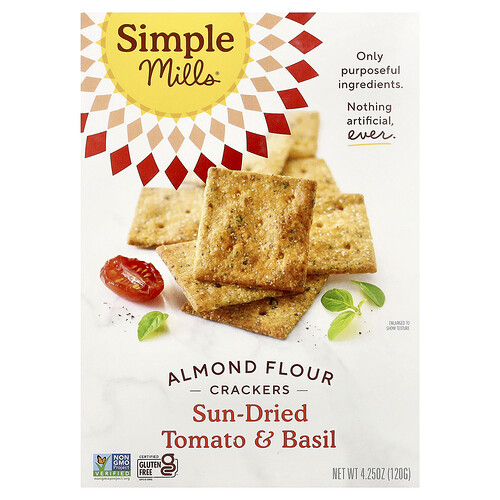
Substitution options in recipes
Oregano. 70% oregano plus 30% mint. Oregano provides herbiness, mint adds a light freshness; perfect for sauces and pizza, but the color is darker.


