


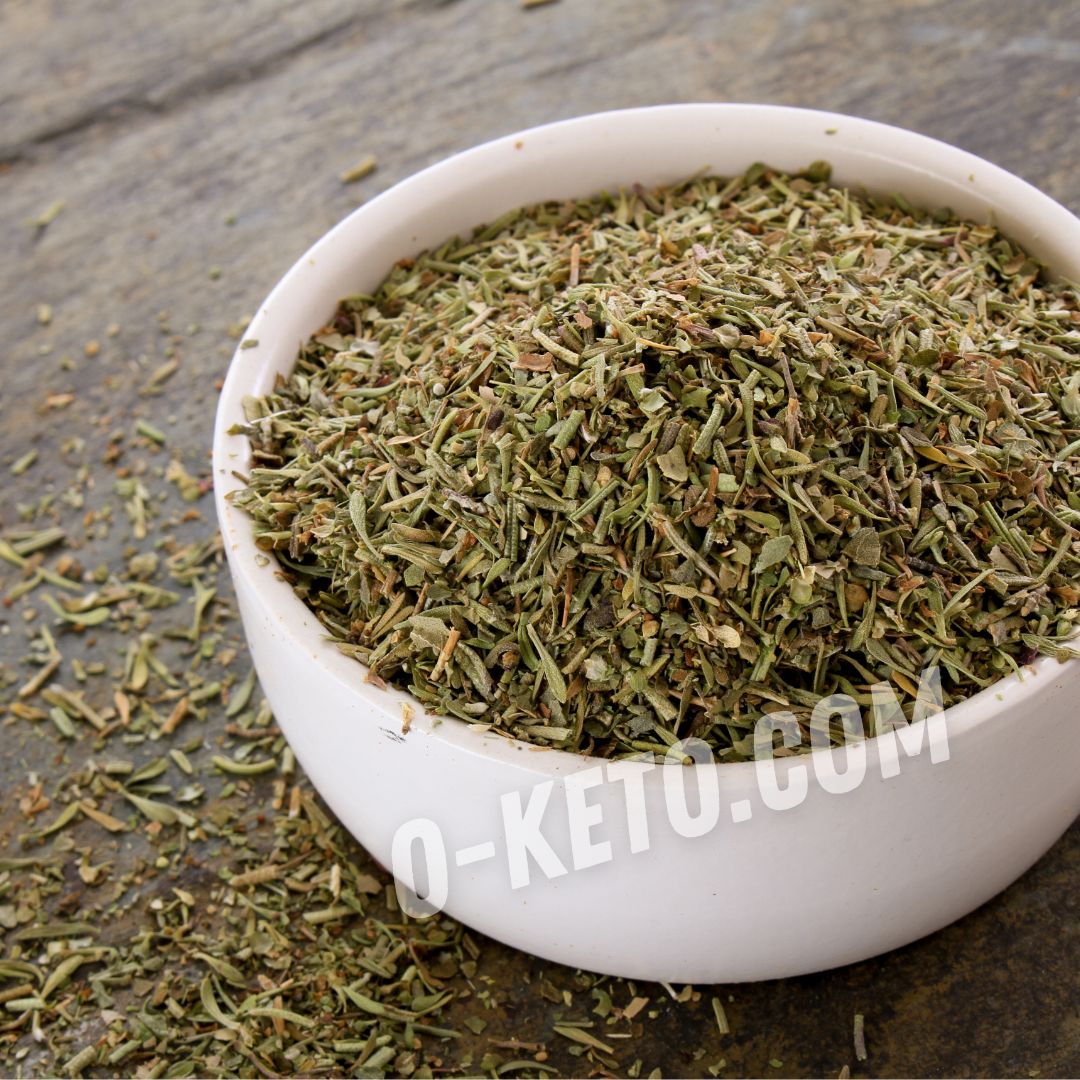

Italian herbs are a blend of dried aromatic herbs used for sauces, meat, fish, vegetables, omelets, casseroles, and low-carb baking. There is no single required formula, but the mix most often contains oregano, basil, thyme, rosemary, marjoram, sage, parsley, and sometimes garlic, onion, paprika, or chili. A good blend gives a dish a Mediterranean aroma without sugar or complicated sauces.
This seasoning is convenient when you do not want to keep many separate jars at home. But its flavor always depends on the producer: one blend is dominated by oregano, another by rosemary, while another may be mostly cheap greens with salt. Italian herbs should therefore be chosen as a real ingredient, not as a random topping.
Nutrition
Dry herbs may show carbohydrates, fiber, and minerals in per-100 g tables, but in a real serving this almost does not matter. Usually 0.5-2 teaspoons are used for a dish, not dozens of grams. The main role of the blend is aroma, light bitterness, herbal freshness, and the impression of a finished sauce without adding sugar.
Herbs contain essential oils and aromatic compounds: oregano and thyme taste more spicy, basil is softer and slightly sweet, rosemary is resinous, and sage is warm with a faint camphor note. The balance of these notes determines whether the blend suits fish, chicken, tomato sauce, or vegetables.
Place in keto and LCHF
Plain Italian herbs fit keto and LCHF well. The portion is small, there is no sugar, and the carbohydrate load is minimal. The blend makes simple foods brighter: eggs, chicken, minced meat, zucchini, eggplant, cauliflower, mushrooms, cheese, olive oil, and cream sauces.
Problems appear in ready seasonings with additions. They may contain sugar, dextrose, starch, crumbs, flour, flavor enhancers, a lot of salt, or powdered sauces. For a strict low-carb menu, it is better to choose a blend where only herbs are listed, plus dried garlic or pepper if desired.
How to use
Dried herbs open up better in fat and warmth. They can be added to olive oil, butter, sour cream, cream, sugar-free tomato sauce, or marinade. For meat and poultry, rub the blend in advance with salt and oil; for vegetables, add before roasting; for an omelet, add near the end or into the filling.
Rosemary and thyme tolerate long cooking well, while basil and parsley lose aroma faster. If the blend is coarse, rub it between fingers or in a mortar. In sauces, give the herbs 5-10 minutes to hydrate so the dry leaves soften and the flavor becomes more even.
What to pair with
Italian herbs suit chicken, turkey, ground beef, fish, shrimp, eggs, mozzarella, feta, parmesan, olives, small amounts of tomato, zucchini, eggplant, pepper, mushrooms, and cauliflower. In keto cooking, they are especially convenient for pizza omelets, flourless casseroles, meatballs, cream sauce, and oven vegetables.
If the dish already contains strong spices, use the blend moderately. Rosemary can clash with delicate fish, sage with light cream sauces, and too much oregano can taste medicinal and bitter. Start with half a teaspoon and add more after tasting.
How to choose
Check the ingredient list and color. In a good blend, different herb fragments are visible and the smell is clean, without dust, dampness, or mustiness. If salt, sugar, or a flavor enhancer comes first, it is no longer just herbs. A transparent jar is useful for evaluation, but storage is better in a dark cupboard.
Ground dust loses aroma quickly. Coarsely cut herbs usually smell longer, but need time in the dish. If the blend barely smells right after opening, it is old or was stored poorly. A huge package makes sense only if you use the seasoning often.
Storage and substitutes
Store Italian herbs in a tightly closed jar, in a dry dark place, away from the stove and steam. Do not use a wet spoon and do not sprinkle directly over a boiling pot: steam damages dried herbs quickly. A few months after opening, aroma usually becomes weaker.
The blend can be replaced with separate herbs: oregano with basil for a tomato profile, thyme with rosemary for meat and poultry, basil with parsley for a softer taste. Herbes de Provence can give a similar Mediterranean direction, but they often include lavender, so the flavor will be different.
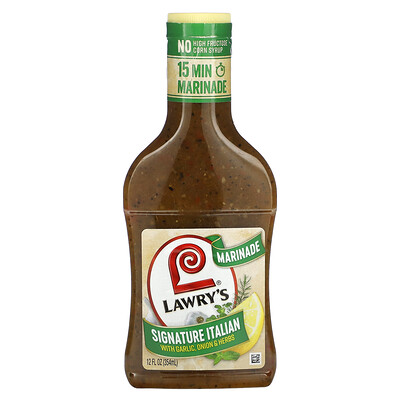
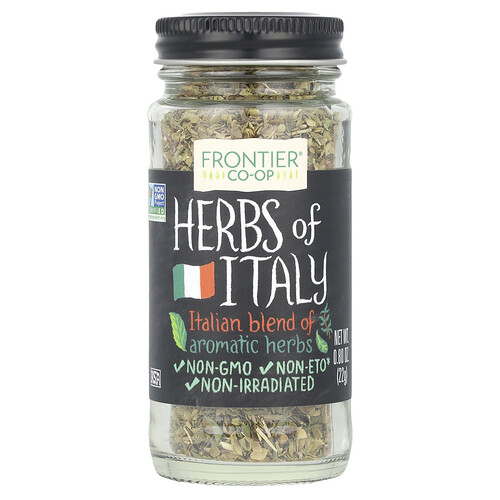
Substitution options in recipes
Thyme. Plus oregano in equal proportion. These two Mediterranean herbs cover the main essences of the finished mixture; if desired, add a pinch of rosemary.


