


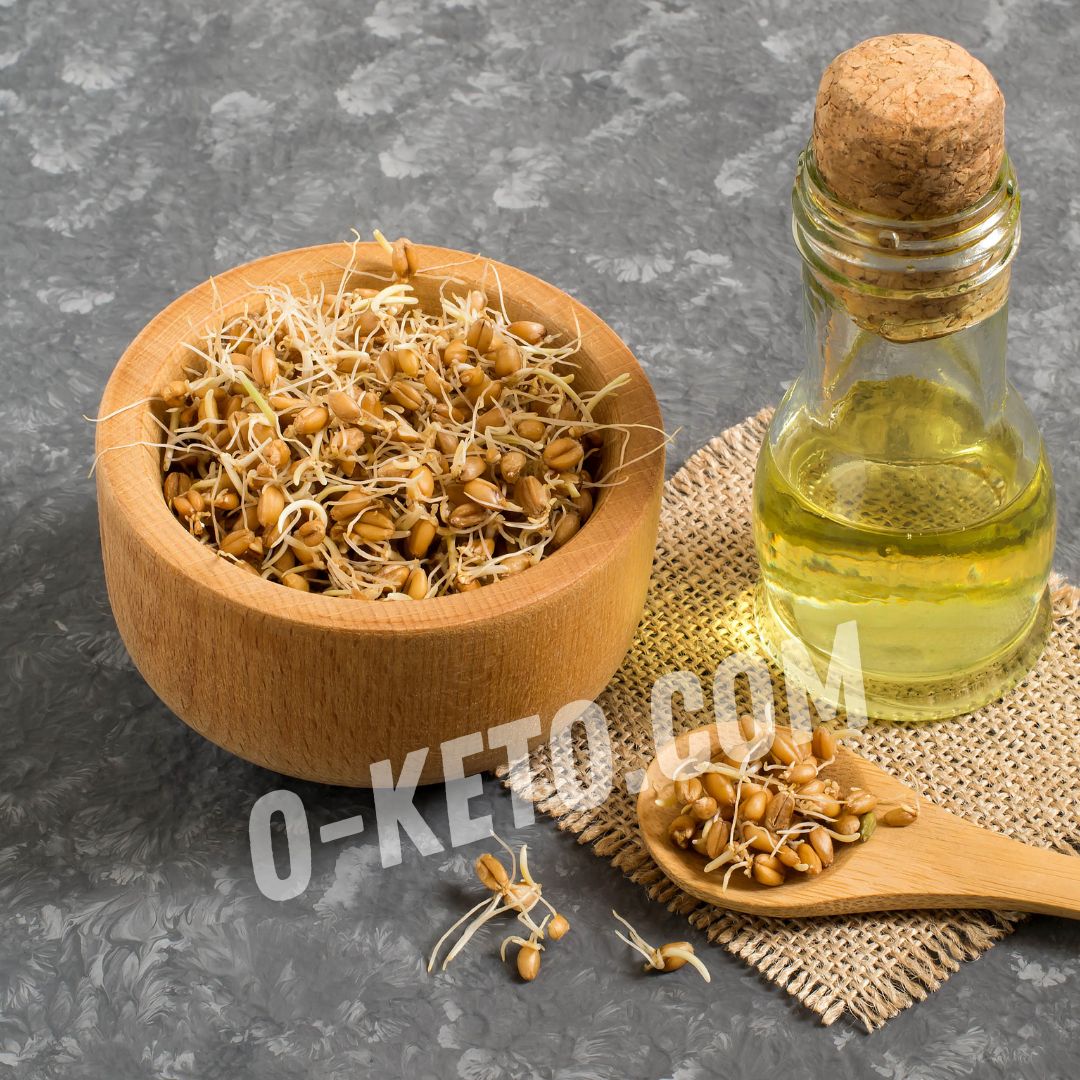

Wheat germ oil is extracted from the germ part of the wheat grain. It is not flour or groats, but a fatty product with a distinct nutty, grain-like aroma. It is most often used cold: in salad dressings, sauces, finished vegetables, cottage cheese, spreads and small additions to already prepared food. It is poorly suited for frying because it is sensitive to heat.
The main feature of the oil is its high share of polyunsaturated fatty acids and natural tocopherols, forms of vitamin E. Older descriptions also mentioned B vitamins, magnesium, zinc and phosphorus, but in an oil the fat fraction is what matters most. Minerals and water-soluble vitamins should not be treated as the main reason to choose this product.
Nutrition
Like most oils, wheat germ oil provides about 884 kcal per 100 g. It contains about 100 g of fat, around 14 g of saturated fatty acids, 0 g of protein and 0 g of carbohydrates. The glycemic index is 0 because the product contains no available carbohydrates.
For keto, this means the oil does not raise the carbohydrate count by itself. But zero carbohydrates do not make it a universal base for the diet. Calories, fatty acid balance, freshness and the amount added to the dish still matter. One tablespoon is already a meaningful fat addition.
Is It Keto-Friendly?
Wheat germ oil can fit keto as a cold addition if the flavor is pleasant and it is tolerated well. It is used in small portions: a teaspoon in dressing, a few drops in sauce, a little in finished vegetables or unsweetened cottage cheese. It is not needed every day, especially if the diet already contains many nuts, seeds and other oils rich in omega-6.
For strict keto, more stable fats are usually chosen: olive oil, butter, ghee, avocado oil, coconut oil or animal fats. Wheat germ oil is better kept as a flavor accent rather than the main cooking fat. This makes it easier to keep variety and avoid leaning too heavily on one fatty acid profile.
How to Use It
The best use is in cold dishes and gentle adding after cooking. The nutty grain flavor pairs well with herbs, cucumber, cabbage, vegetables after cooking and cooling, cottage cheese, soft cheeses, mushrooms, eggs and fish. It is better not to pour it into a hot pan: the aroma quickly becomes rough, and the sensitive fatty acids tolerate heat poorly.
Practical options include:
- a teaspoon in salad dressing with lemon and sugar-free mustard;
- a few drops in cottage cheese or soft cheese with herbs;
- an addition to vegetables after cooking;
- part of a sauce for fish, eggs or mushrooms;
- a mixture with olive oil if the flavor seems too strong.
How to Choose
It is better to choose cold-pressed oil in a small dark bottle. The ingredient list should contain only wheat germ oil, without flavorings, colors or unknown blends. People highly sensitive to traces of grains should check the producer’s labeling, although the oil itself is not a starch source.
A fresh product smells mild: nutty, grain-like, sometimes like bread crust. Sharp bitterness, paint-like smell, old nuts or rancid fat are reasons not to use the bottle. This oil can have an intense flavor, but it should not be unpleasant or burning.
Storage
Wheat germ oil is sensitive to air, light and heat. After opening, it is best kept tightly closed in the refrigerator and used without long storage. A large bottle is rarely convenient if the oil is added by the teaspoon: it may spoil before it is finished.
To avoid speeding up spoilage, do not keep the bottle near the stove, use a wet spoon or leave the cap open for long. If the taste becomes sharp and unpleasant, replace the product even if the date on the label has not passed.
Substitutes
For salads, the closest options are extra virgin olive oil, avocado oil, walnut oil or a little flaxseed oil mixed with a milder base. For frying, choose ghee, butter, coconut oil, poultry fat or another fat that tolerates heat better.
If a nutty note is needed, walnut oil, a small amount of sesame oil or unsweetened nut paste can work. If only fat is needed without a strong flavor, olive oil or avocado oil is simpler.
If the oil is used for its vitamin E content, it should not be taken by large spoonfuls. It is more sensible to keep the portion small and combine different fat sources: olive oil, fish, eggs, avocado, nuts or seeds within the chosen eating plan.
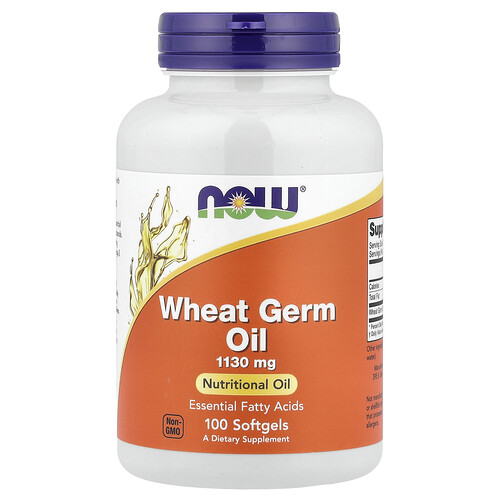
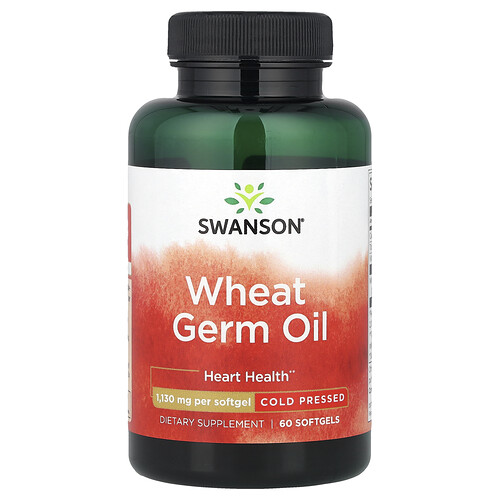
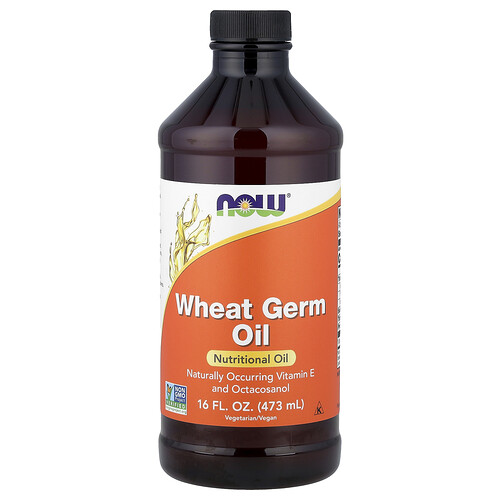
Substitution options in recipes
Pumpkin seed oil. Similar content of tocopherols (vitamin E). Pumpkin has a brighter "nutty" flavor and a rich green color—keep this in mind for sauces and salads.


