


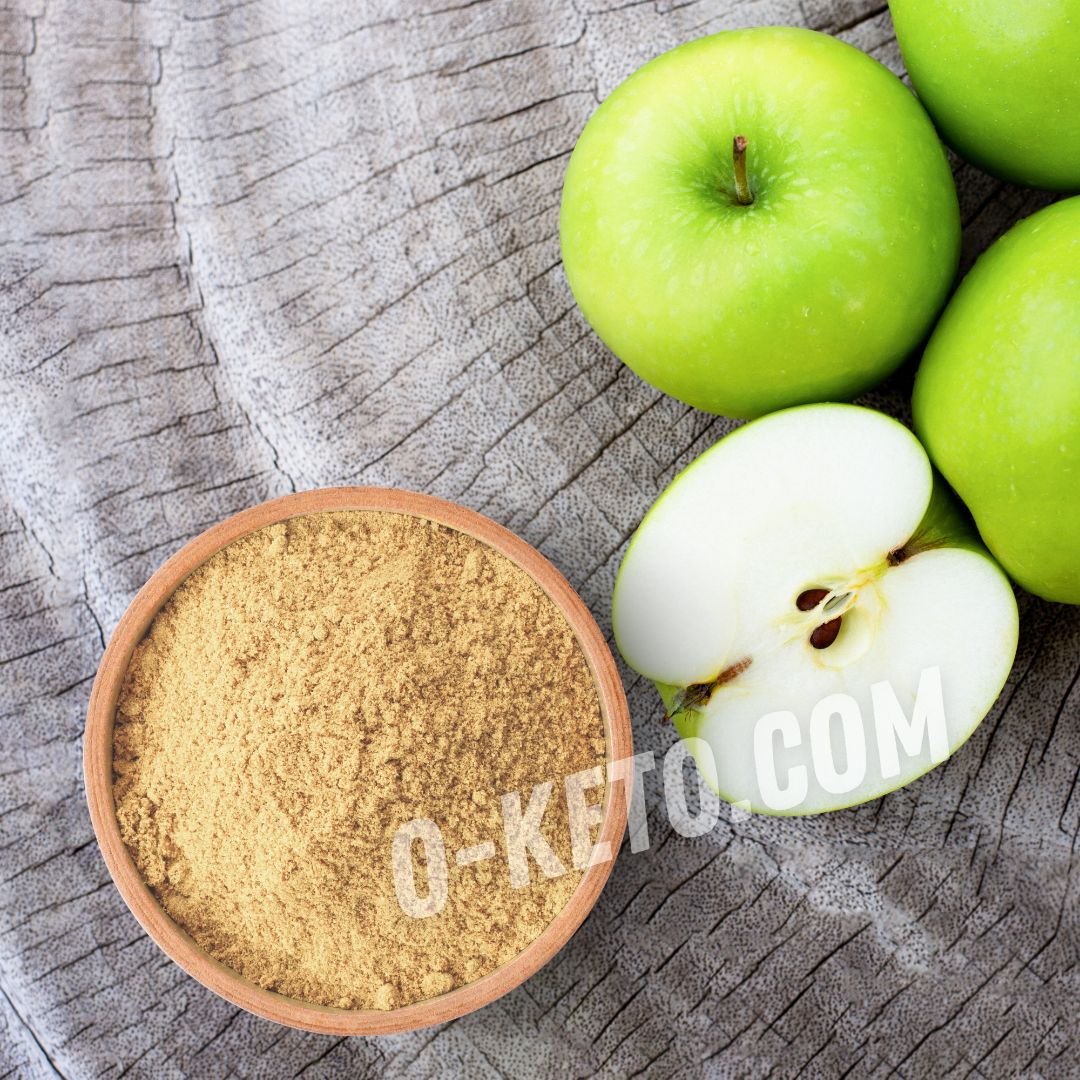

Pectin is a soluble dietary fiber from plant cell walls. It is most often produced from apple pomace and citrus peel because these are convenient by-products of juice production. In cooking, pectin is known mainly as a thickener: it helps jelly, marmalade, jam, confit, and fruit fillings hold their shape without large amounts of starch.
There are different types of pectin. High-methoxyl pectin usually works in a mixture with sugar and enough acidity, so it is common in classic sweet preserves. Low-methoxyl pectin can gel with calcium and is better suited to recipes with less sugar. For keto and LCHF, the type of pectin and the full ingredient list matter more than the word “pectin” on the package.
Nutrition
Pectin itself is fiber. Chemically it is a carbohydrate, but it does not act like sugar or flour and is usually used in small amounts. A nutrition table for 100 g of dry powder may show many carbohydrates, but the real recipe portion is often only a few grams. The practical number to check is the amount per serving of the finished dish.
Food sources of pectin are not the same as isolated powder. Apples, citrus fruit, carrots, bell peppers, and other plants may contain pectin, but they also bring water, sugars, starch, or other carbohydrates. In a low-carb menu this difference is important: fruit as a pectin source and plain pectin powder are very different ingredients.
Fit for keto and LCHF
Plain pectin without sugar, syrups, maltodextrin, or starchy carriers can be used in keto recipes in small amounts. It may help with a berry sauce without sugar, low-carb jam, dessert filling, jelly layer, or cream stabilization. But pectin does not turn a sweet fruit jam into a keto food if the recipe still contains a lot of sugar or sweet fruit.
The common mistake is buying a ready jam-setting mix where pectin is already blended with sugar, dextrose, or acids for classic proportions. That mix is convenient for ordinary preserves but may not suit keto. A plain pectin or a product with a short, clear ingredient list is easier to control.
How to use it
Pectin usually needs to be dispersed carefully in dry ingredients or mixed with a sweetener first, otherwise it can form lumps as soon as it touches liquid. The mixture is then added to a hot base and stirred well. Different types of pectin require different temperature, acidity, and activation time, so quantities from one recipe should not be moved blindly into another.
For a keto berry sauce, pectin is often used in very small doses to create light thickness rather than firm marmalade. In creams and fillings it can make texture more stable, but too much can create a sticky paste-like feel. If a clear firm jelly is needed, agar-agar or gelatin may be easier; if a sauce needs gentle body, pectin can give a softer result.
How to choose
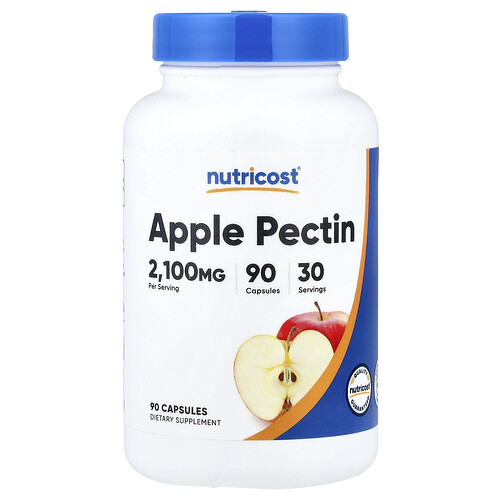
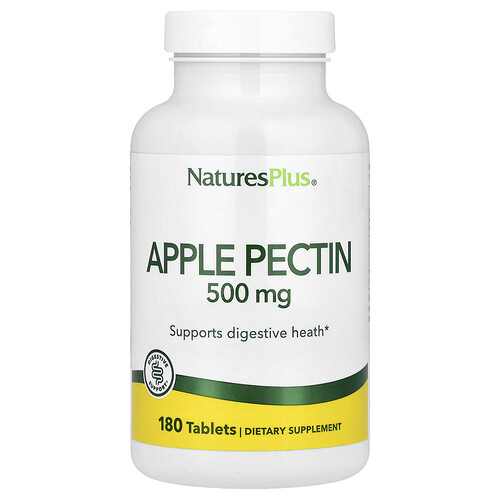
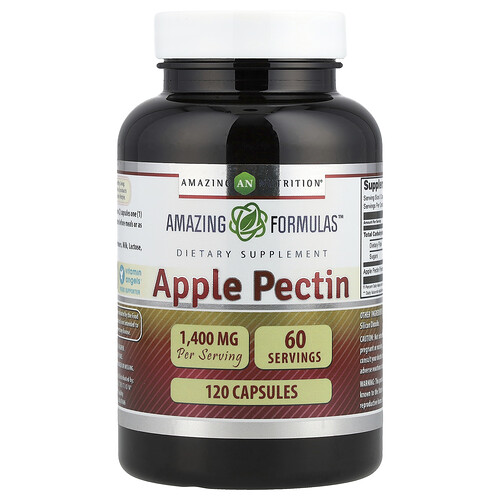
The package should clearly state the source and type: apple, citrus, high-methoxyl, low-methoxyl, amidated, or a special pectin for low-sugar recipes. If the type is not listed, follow the producer’s instructions. For keto, choose versions without sugar, dextrose, starch, flour, flavorings, or ready fruit fillers.
If pectin is needed for jam without sugar, look for a product that specifically mentions low-sugar use. Ordinary pectin for classic jam may not set as expected without the required sugar level. For creams, sauces, and fillings, start with the smallest dose and increase slowly: it is easier to thicken a loose mixture than to fix one that has become too firm.
Tolerance and limits
Like other fibers, pectin can cause bloating, gas, or discomfort if the amount is increased suddenly. This is especially noticeable when the diet already contains plenty of psyllium, chia, flax, vegetables, and sugar alcohols. It is more practical to start with small doses and drink enough water.
Because it creates a viscous food mass, large supplement doses may affect the absorption timing of some substances, so they should not be taken together with prescribed treatment without professional guidance. In ordinary cooking amounts, the main task is simpler: do not over-thicken the dish and read the blend composition carefully.
Storage and substitutes
Pectin should be stored dry, tightly closed, away from steam and heat. Moisture quickly turns the powder into clumps and makes measuring harder. After opening, the bag is best moved to a jar or closed with a clip, and the measuring spoon should stay dry.
The substitute depends on the task. For a firm jelly, gelatin or agar-agar may work; for light sauce thickening, a tiny amount of xanthan gum; for baking, psyllium or coconut flour if the recipe is built for them. These ingredients give different textures, so pectin cannot be replaced one for one without a test batch.
Substitution options in recipes
Agar-agar. Plus inulin (0.4 parts to 0.6 parts of agar). Agar provides gelling, inulin — elasticity and shine. In jams, add ½ tsp of lemon juice to activate binding.


