


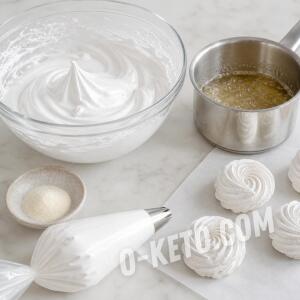


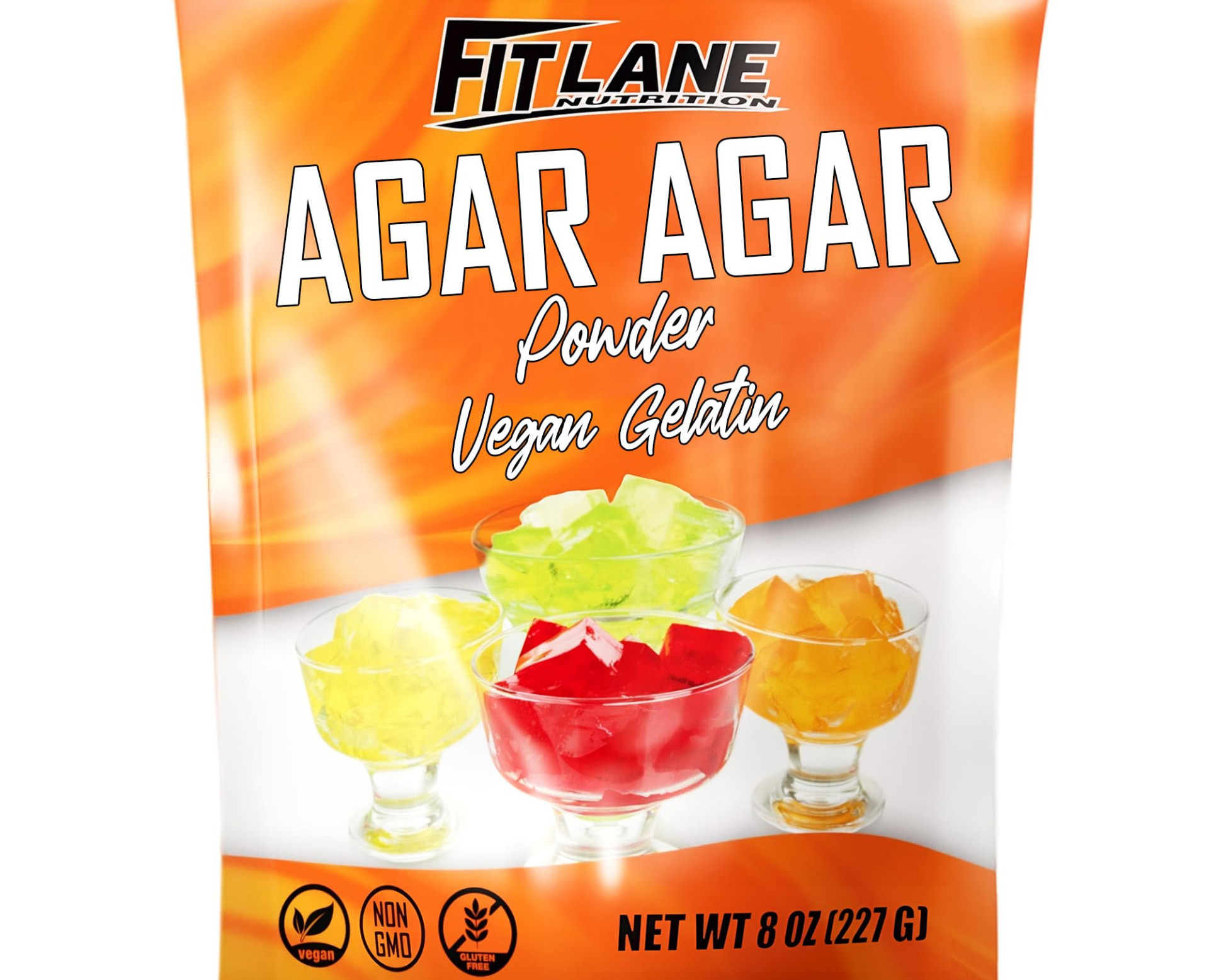

Agar-agar is a plant-based gelling powder made from red algae. In cooking, it is used when a firm jelly is needed, when cream must be stabilized, when a sauce needs thickening, or when a dessert should be made without gelatin. Agar has almost no taste or smell, so it does not change the aroma of a dish, but it changes the texture noticeably.
For keto, agar is useful because it works in very small amounts and adds almost no digestible carbohydrates. It is not a source of protein or fat, but a technical ingredient: it helps create the needed consistency without sugar, flour, starch, or sweet pectin mixes.
Nutritional value
Agar consists mainly of soluble polysaccharides and dietary fiber. In practical portions, its impact on the carbohydrate limit is minimal: recipes usually use 1-3 g of powder, not large food portions. The calories and macronutrients of the finished dish depend on the base, such as cream, berries, cocoa, coconut milk, tea, or broth.
Agar may contain potassium, magnesium, calcium, and iron, but normal culinary amounts are too small to make it a meaningful mineral source. Its main role is gel structure, stability, and fiber. It is a texture tool rather than a replacement for food.
Is it suitable for keto?
Plain agar-agar fits keto and LCHF well. It can be used for sugar-free jelly, panna cotta, firm sauces, fillings, and cold appetizers without starch. It is important to buy plain agar, not a ready-made jelly mix, because such mixes often contain sugar, dextrose, flavorings, and colorings.
If a dish is not keto, the problem is usually the sweet base, not the agar. Agar can thicken unsweetened cream just as easily as sugary syrup, so the entire recipe matters more than the thickener itself.
How to use
Agar needs heat. It is stirred into liquid, brought to a boil, and cooked briefly so the powder fully disperses and activates. After cooling, it creates a firmer and more brittle gel than gelatin. If a softer texture is needed, reduce the dose and test a small portion.
Practical keto uses include:
- jelly from unsweetened berry infusion, tea, or coffee;
- coconut or cream panna cotta without sugar;
- stabilizing cream based on heavy cream or coconut milk;
- vegetable aspic, cold appetizers, or firm sauces;
- a jelly layer for cheesecake without flour or sugar.
Dose and texture
The exact dose depends on the agar brand, the acidity of the liquid, the fat content of the base, and the desired firmness. For a soft dessert, it is common to start low; for sliceable jelly, more is used. With a new recipe, a test in a small cup is useful because agar sets quickly and mistakes are easier to see before assembling the whole dish.
Agar gives a clean cut and holds its shape well at room temperature. But in creamy desserts, too much powder makes the texture brittle rather than creamy. In very acidic liquids and fatty mixtures, the result can also differ, so replacing gelatin one to one is not a good rule.
Common mistakes
Agar cannot simply be sprinkled into cold cream and expected to work: without heating, it often forms lumps. Another mistake is adding extra powder “just in case”. Too much makes a dessert rubbery or fragile and may increase bloating or discomfort in sensitive people.
The powder should be stirred well before boiling, and it is important to remember that the mixture thickens as it cools. If a set gel is later blended, the texture will not be the same as a starch cream or gelatin mousse.
How to choose and store
Choose agar without sugar, flavorings, or colorings. Some packages indicate gel strength, but producers do not always present it clearly. If the powder is new, the first batch should be a test even if the recipe is familiar.
Store agar in a dry cabinet, tightly closed, away from moisture and strong odors. If the powder absorbs moisture and clumps, it will disperse poorly in liquid. For consistent results, it helps to note the brand, dose, and boiling time.
Limits and substitutes
Agar may not suit people sensitive to large amounts of fiber, prone to bloating, or dealing with active digestive irritation. Since it binds water, normal fluid intake matters when eating dishes made with agar.
Possible substitutes include gelatin, sugar-free pectin, xanthan gum, and guar gum, but they behave differently. Gelatin is often better for delicate desserts, agar for vegan firm gels, and xanthan or guar for sauces in very small amounts.


