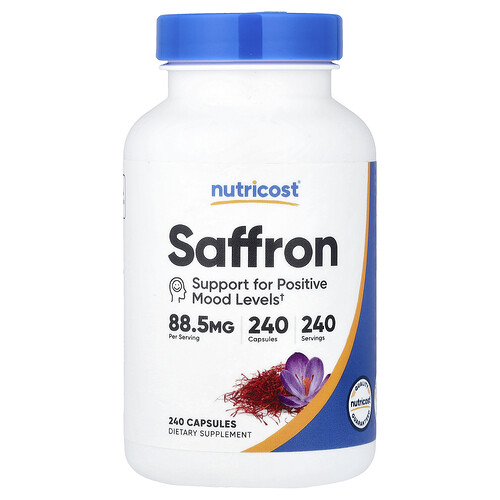
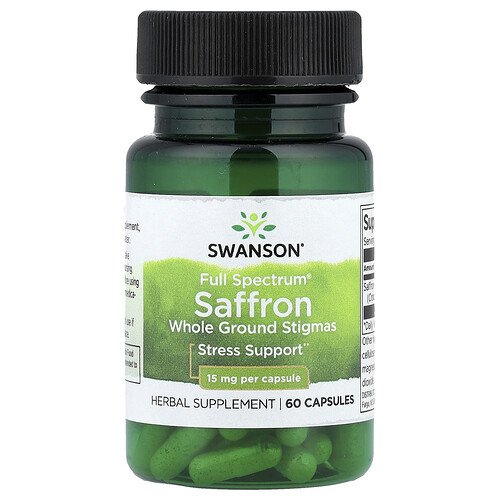
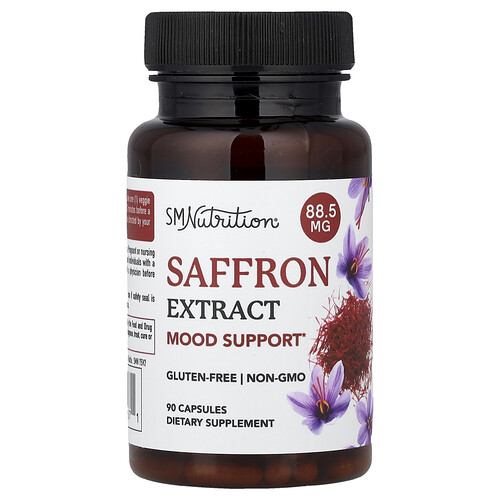
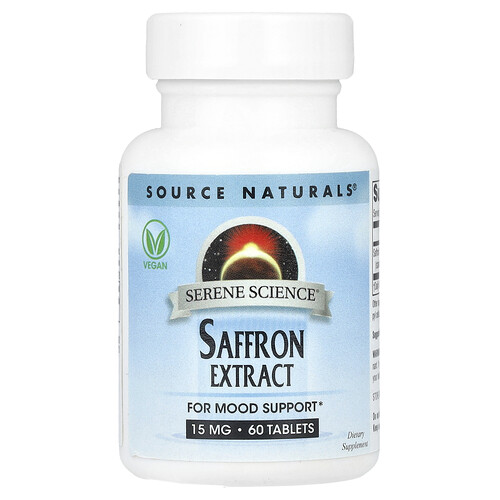
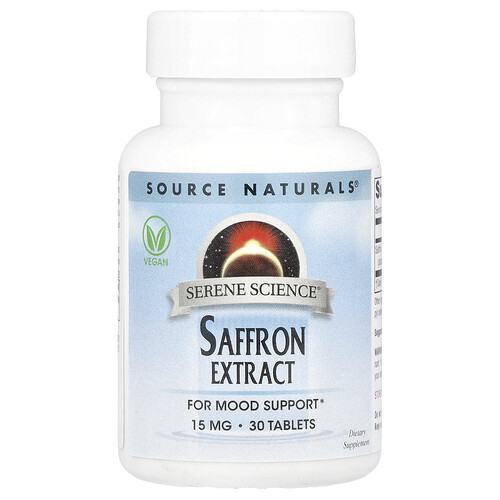
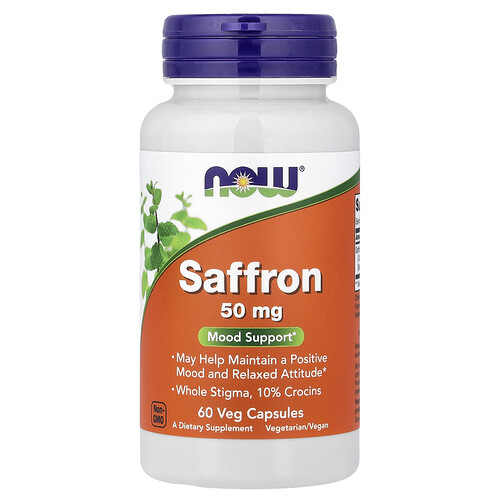
Saffron is a spice made from the dried stigmas of the Crocus sativus flower. Hundreds of flowers are needed for one gram, so real saffron is expensive and often adulterated. It is valued for golden color, warm floral-honey aroma, slight bitterness, and the ability to change a dish even in a tiny dose.
Saffron is used in Spanish paella, Italian risotto, Persian rice, Indian sweets, fish soups, sauces, broths, and drinks. In keto cooking, it is especially useful where aroma is needed without sugar and starch: in cauliflower “rice”, cream sauces, fish, chicken, eggs, and cream-based desserts.
Older texts often describe saffron as medicine. In an ordinary product description, it is better to be more careful: this is a spice with bright aromatic compounds, not a therapy. In ordinary food, saffron is used in such tiny amounts that it is not a meaningful source of vitamins or minerals. Its value is different: it makes a simple dish taste more complex without sweet sauces, flour, or extra bulk.
Nutritional value
Saffron’s nutritional value has almost no effect on the diet because the portion is measured in threads, not spoonfuls. A dish usually needs 5–20 threads or a tiny pinch. Carbohydrates, proteins, and fats in that amount are practically irrelevant for keto and LCHF.
Color and aroma are connected with crocin, picrocrocin, and safranal. These compounds matter for spice quality: good saffron quickly colors warm liquid golden and gives a deep aroma. But adding more “for benefit” is unnecessary: excess makes food bitter and medicinal-tasting.
Because of the high price, saffron is rarely worth buying in large packages. A small jar or packet of threads is usually more practical: the spice has time to be used before the aroma becomes weak. For home cooking, this matters more than a “for years” supply that slowly loses its point.
Is it suitable for keto?
Saffron fits keto if it is a pure spice without sugar mix, flour, starch, or colorings. It adds color and aroma with almost no carbohydrates. Problems come not from saffron, but from the dish: rice, sweet milk, syrup, dough, or starch-thickened sauce remain high-carbohydrate regardless of the spice.
In low-carb cooking, saffron works well with cauliflower, chicken, fish, shrimp, eggs, butter, cream, almonds, unsweetened coconut milk, and lemon. Its aroma is strong, so it is better to start with a small dose.
How to use it
The best method is to steep the threads in warm water, stock, cream, or melted butter for 10–20 minutes, then add the infusion to the dish. This spreads color and aroma more evenly. If dry threads are thrown directly into a thick mixture, part of the taste may remain in isolated spots.
Saffron does not like harsh overheating. In rice-style dishes it is added to the liquid; in sauces, closer to the middle or end of cooking; in desserts, into a warm cream base. It pairs with cardamom, vanilla, cinnamon, lemon, garlic, fish, seafood, and poultry.
For one home dish, a few threads are usually enough. If a more even color is needed, the infusion can be mixed with part of the sauce or stock and then returned to the whole pot. In cold dishes, saffron is added only after steeping first: dry threads barely open in cold fat or a thick mixture.
How to choose
Real saffron is better bought as threads, not powder. Threads should be dark red with an orange tip, dry but not dusty. Very bright powder, a very low price, and no country of origin are warning signs. Safflower, turmeric, or dyed fibers are sometimes sold as saffron.
When tested in warm water, real saffron colors the liquid gradually, and the threads should not instantly lose all color. The smell should be complex, warm, slightly honeyed and floral, without mustiness or chemical dye.
Limitations
Saffron is used in microdoses. Large amounts are unnecessary and can give an unpleasant taste. Pregnant people, children, and anyone taking concentrated saffron extracts should not transfer ordinary culinary doses to extracts: these are different things.
How to store it
Saffron is kept in a small tightly closed jar, in a dark dry place, away from the stove and sunlight. Aroma gradually weakens, so it is better to buy a small amount. Ground saffron loses smell faster and is more often adulterated.
What can replace it?
There is no full replacement. Turmeric gives yellow color, but its taste is earthy and different. Safflower can color a dish, but almost does not repeat the aroma. For color, turmeric can be used; for a warm spice profile, cardamom, vanilla, cinnamon, or lemon zest can help, but they do not copy real saffron.