


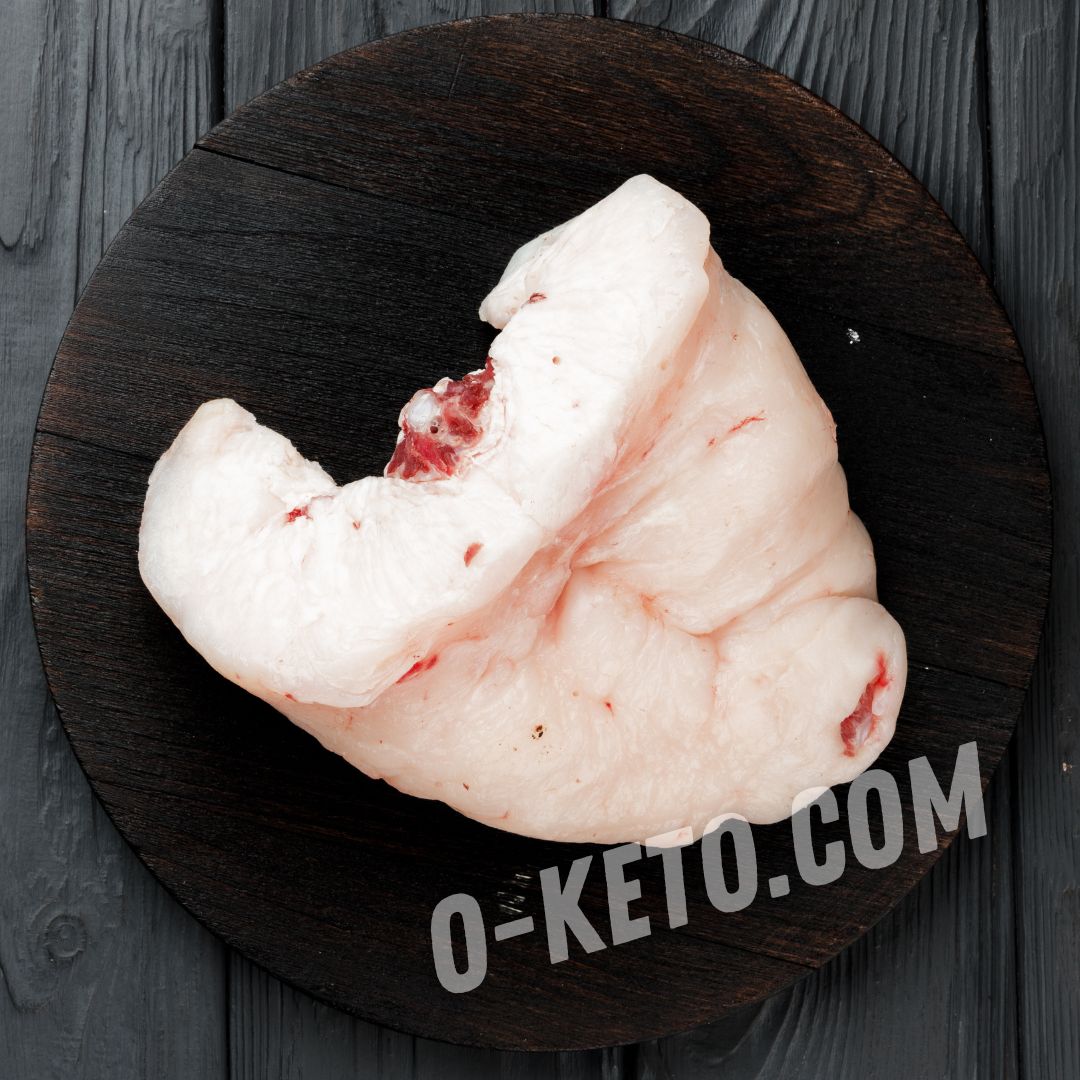

Lamb fat is a dense animal fat with a pronounced meat aroma. It comes from fatty parts of young lamb: tail fat, internal fat, trimmings, or the fat layer around meat. After rendering, it becomes a cooking fat for frying, stewing, coating vegetables, and making pilaf-style dishes, ragouts, patties, and recipes from Middle Eastern or Caucasian cooking.
Its taste is noticeably different from pork lard, beef tallow, and butter. Good lamb fat smells warm, meaty, and sometimes slightly sweet. If the raw material is old or poorly cleaned, the smell can become harsh. For cooking, the quality of the fat, careful rendering, and proper storage matter as much as the macronutrients.
Nutrition
Lamb fat is almost entirely fat and contains practically no carbohydrates. A 100 g portion has about 880-900 kcal, so it is very energy-dense. It contains saturated and monounsaturated fatty acids, with a smaller share of polyunsaturated fats. Exact proportions depend on the part of the animal, feed, and rendering quality.
From a cooking point of view, the main features are high fat content and strong flavor. Even 1-2 teaspoons can change a dish noticeably. In traditional recipes, this fat is often used not as a separate food, but as a base for browning onion, meat, and vegetables. Too much can make the taste heavy and raise calories quickly.
Is it suitable for keto?
Lamb fat fits keto and LCHF as a source of fat without sugar or starch. It can be useful in dishes where lean meat or vegetables need more richness. A small amount of melted lamb fat works well with cauliflower, eggplant, zucchini, cabbage, mince, eggs, and stewed meat.
Still, it does not need to become the main fat every day. The product has a strong taste and high calorie density, while a diet is usually easier to keep varied: olive oil, butter, ghee, fish, eggs, avocado, nuts, and meat can all provide fat. Lamb fat is best used where its flavor is part of the dish, not added automatically everywhere.
How to use
For frying and stewing, render or melt the fat slowly over moderate heat. If it contains bits of meat or connective tissue, avoid overheating them: burned pieces bring bitterness. Clean rendered fat can be used to brown onion, garlic, mince, ribs, cabbage, and low-carb vegetables. It tolerates moderately high heat, but it should not be pushed to smoking.
In mince, lamb fat makes patties and kebabs juicier. It is finely chopped or ground with the meat, then mixed with spices such as cumin, coriander, black pepper, paprika, garlic, mint, and thyme. In vegetable dishes, it works especially well with eggplant, zucchini, and cauliflower. For a softer flavor, it can be blended with ghee or olive oil.
How to choose
Fresh raw fat should be pale, without gray spots, stickiness, or a sharp smell. A mild lamb aroma is normal, but sour, rancid, or ammonia-like odor is a poor sign. Rendered fat should be even in texture, without water at the bottom of the jar and without dark burned particles.
If buying a prepared product, read the ingredient list: it should not contain starch, flour, sugar, flavorings, or vegetable oils if you want true animal fat. For neutral dishes, a cleaner rendered fat is better. For Caucasian and Middle Eastern recipes, a stronger aroma can be appropriate, but it should smell fresh, not old.
What to pair it with
Lamb fat pairs well with lamb, beef, organ meats, eggs, eggplant, zucchini, cabbage, cauliflower, mushrooms, and herbs. Good spices include cumin, coriander, paprika, garlic, black pepper, rosemary, thyme, mint, and sumac. A sour note from lemon, vinegar, or unsweetened yogurt sauce can make the taste lighter.
If the dish already contains fatty meat, less extra fat is needed. If the base is lean, such as lean lamb mince or vegetables, a small addition can noticeably improve juiciness. Lamb fat is rarely used in salads because it thickens quickly when cold and can create a waxy texture.
Limits and storage
Lamb fat is not suitable for people who do not tolerate lamb or its strong animal aroma. With gallbladder issues, poor tolerance of fatty foods, or severe digestive reactions, portion size is better discussed individually with a professional. In everyday cooking, the main practical risk is excess calories and an overly heavy dish.
Raw fat should be kept in the refrigerator for a short time or frozen. Rendered fat should be stored in a clean dry jar, tightly closed, in the refrigerator. Water, crumbs, and a dirty spoon speed up spoilage. If rancid smell, bitterness, or mold appears, discard it.
Substitutes
The closest culinary substitutes are beef tallow, tail fat from mature sheep, ghee, or pork lard if they fit the dish and personal preference. For a more neutral profile, avocado oil or olive oil can be used. In kebabs and patties, part of the fat can be replaced with butter or fattier meat, but the aroma will be different.


