


Adrenaline
This acute adrenal catecholamine rapidly mobilizes glucose and fatty acids, raises heart rate, and prepares the body for action; chronic anxiety and sleep loss can turn this useful emergency signal into a burden.
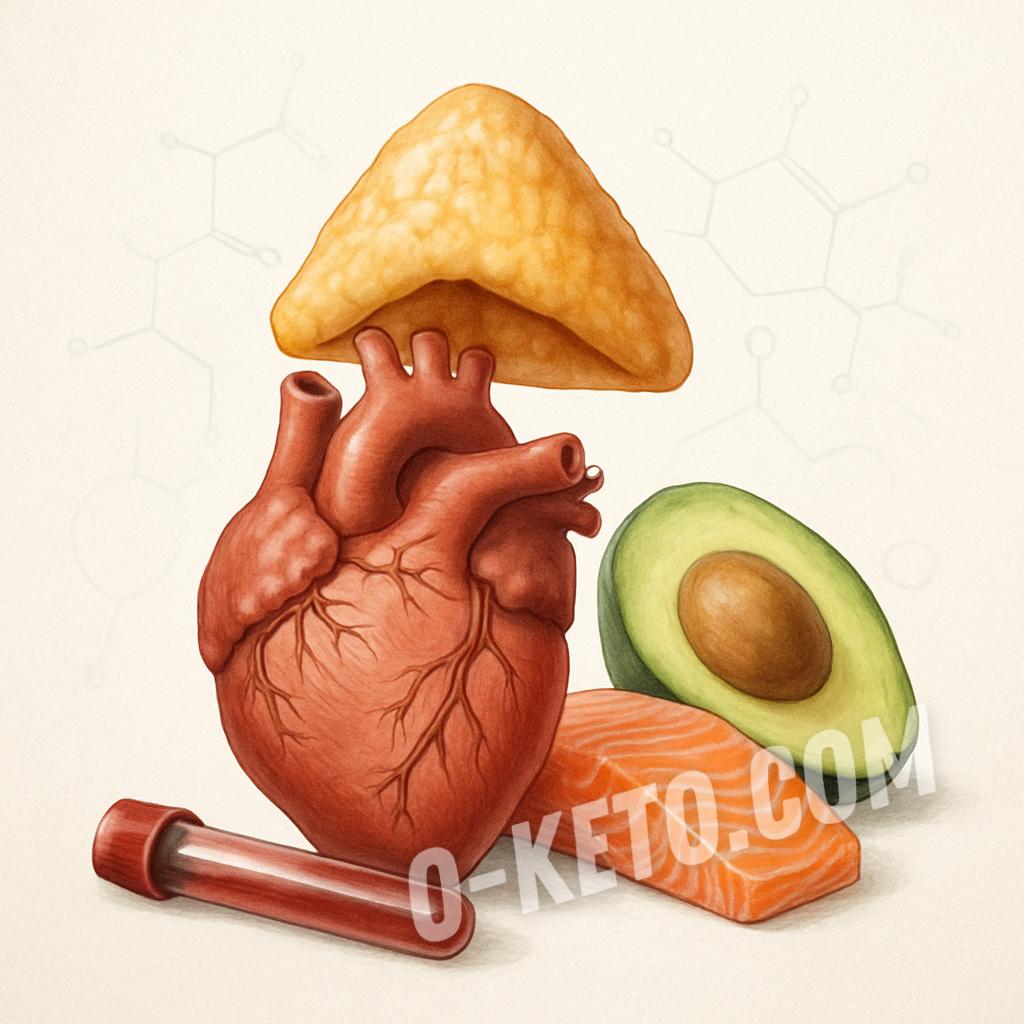
Adrenaline, also called epinephrine, is a catecholamine hormone and neurotransmitter that rises quickly during threat, pain, cold, exercise, hypoglycemia, strong emotions, and acute stress. It is produced mainly by the adrenal medulla, while related catecholamine signaling also works in the nervous system. Its main job is to prepare the body for action by increasing fuel availability, accelerating the heart, opening the airways, and redirecting blood flow.
Adrenaline is not a bad hormone. Without it, the body would respond poorly to danger, falling glucose, and sudden physical demands. Trouble begins when the emergency system is activated too often or without real recovery: chronic anxiety, sleep deprivation, too much caffeine, overtraining, conflict, night work, and unstable glucose can keep the body in a state of readiness that becomes exhausting.
What adrenaline does
Adrenaline increases heart rate and contractility, dilates the bronchi, helps the liver release glucose through glycogenolysis and gluconeogenesis, activates lipolysis in fat tissue, and shifts blood flow toward muscles. It can also reduce digestive activity, increase sweating, tremor, alertness, and reactivity to stimuli. During an adrenaline surge, a person may feel palpitations, dry mouth, cold hands, tension, energy, or anxiety.
In medicine, epinephrine is used as a drug for anaphylaxis and some emergency situations, but that is a separate context. Physiological adrenaline in the bloodstream and an epinephrine injection are not the same in dose or purpose. Trying to lower adrenaline with supplements is usually not useful if the causes remain: sleep loss, panic attacks, hypoglycemia, excessive stimulants, thyroid problems, or medication effects.
Glucose, keto, and fasting
Adrenaline raises glucose availability because in danger the brain and muscles need rapid fuel. On keto this may be noticeable in the morning, during stress, after intense exercise, or with overly long fasting. In some people, glucose can rise temporarily not from carbohydrates but from stress hormones. This is not always a problem, but if the rises are frequent and come with anxiety, poor sleep, and high blood pressure, the routine needs reassessment.
A very strict combination of keto, calorie deficit, caffeine, and intermittent fasting can amplify the adrenaline response. A person may feel energized, but the feeling may be mobilization under shortage rather than stable energy. Later, irritability, insomnia, night waking, food cravings, and poor recovery may appear. In that situation, the answer may be food, salt, magnesium, a proper evening meal, less caffeine, and a gentler fasting schedule rather than more stimulation.
In the morning, the adrenaline system may rise together with cortisol, helping a person wake up and raise glucose availability. If sleep is short, coffee is taken on an empty stomach, fasting is long, and stress is already high, this normal morning signal may feel like anxiety, shaking, or palpitations. In that situation, a log of sleep, caffeine, meals, and glucose may be more useful than guessing one hormone.
Adrenaline also participates in panic symptoms, but a panic attack does not mean the adrenal glands are broken. The brain and body launch a real stress response even when there is no external danger. Nutrients can help only part of the picture; psychotherapy, breathing skills, gradual return to activity, and work with avoidance may matter. Chest pain or fainting should be medically checked first.
The morning rise of adrenaline-related stress signals often overlaps with cortisol. Some people on strict keto therefore see higher morning glucose even when they ate no carbohydrate at night. This may reflect the dawn phenomenon, poor sleep, late caffeine, an overly long fasting window, or under-eating. Responding only by cutting food further is often a bad idea. Sometimes the body needs a calmer evening, adequate salt, a protein-containing dinner, and fewer stimulants.
A panic attack can also feel like an adrenaline storm: racing heart, shaking, sweating, air hunger, and fear of dying. Similar sensations can occur with arrhythmias, hypoglycemia, and hyperthyroidism. If episodes repeat, it is important not to dismiss everything as nerves before checking medical causes. After that, anxiety work becomes safer and more precise.
When to check health
Occasional palpitations during excitement or exercise do not automatically mean dangerous disease. Frequent episodes with strong palpitations, sweating, tremor, headache, sudden high blood pressure, chest pain, fainting, or unexplained weight loss need medical evaluation. Arrhythmias, hyperthyroidism, panic attacks, hypoglycemia, medication effects, and rare catecholamine-producing tumors may need to be excluded.
Adrenaline regulation is supported by sleep, regular physical activity, breathing and relaxation practices, stable meals, treatment of sleep apnea, limiting stimulants, and proper care for anxiety. For keto, this means not pushing the body into a constant emergency mode. A good low-carbohydrate diet should provide steady energy, not keep a person running on caffeine, hunger, and internal alarm.
If you have any questions about the term "Adrenaline", you can ask them to AI. Please note, a low-cost OpenAI model is used. It may answer questions about disease treatment with errors!


 1 / 4
1 / 4
 1 / 4
1 / 4

 1 / 4
1 / 4
 1 / 4
1 / 4

