


Blood test for microbiome
Testing microbial DNA or microorganisms in blood requires very cautious interpretation: blood is not normally treated as a regular microbiome ecosystem, and findings may reflect infection, translocation, contamination or a research signal. It is not a consumer test for choosing probiotics.
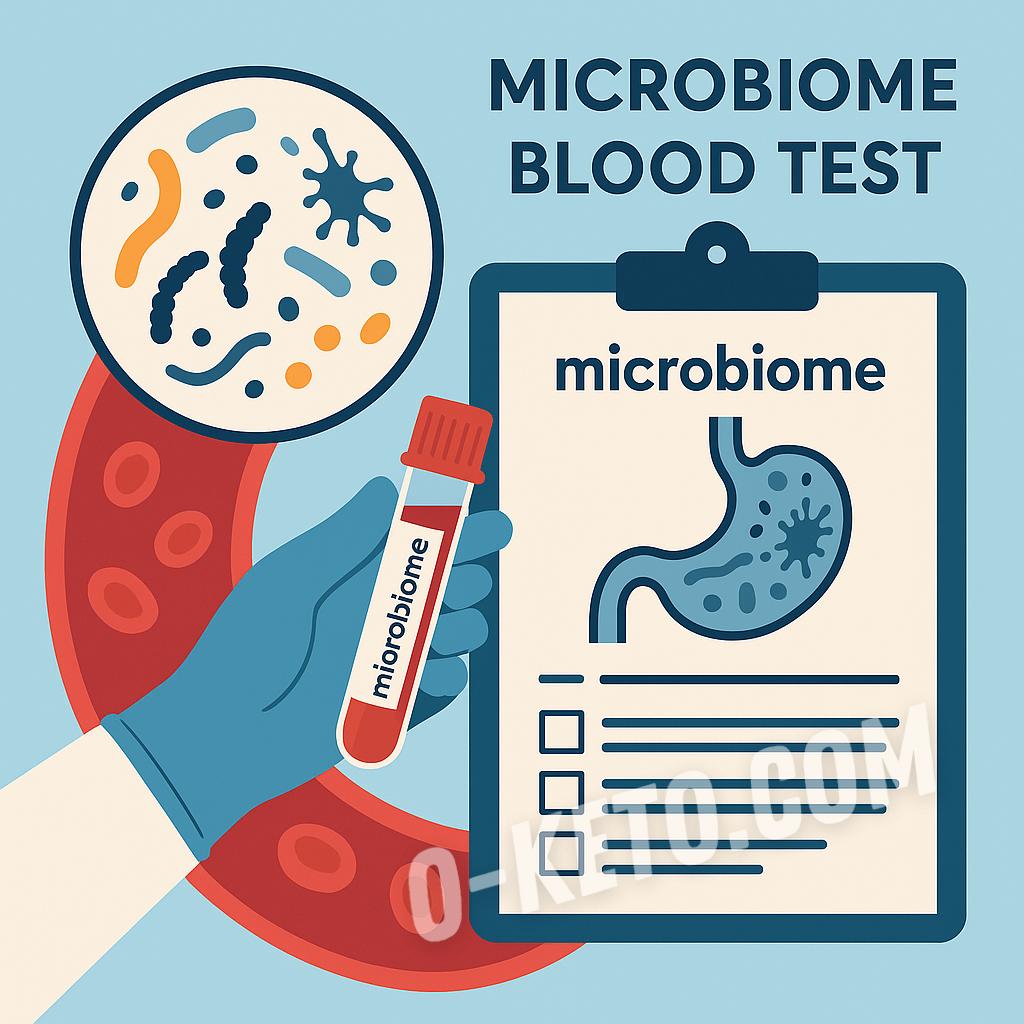
A blood microbiome test sounds similar to a stool microbiota test, but the clinical context is completely different. The intestine truly contains a large microbial community, while blood is not normally treated as a habitat for a rich stable microbial ecosystem. Detecting microbial DNA or microorganisms in blood therefore requires much more cautious interpretation.
Different laboratories may use the same phrase for very different things: blood culture for suspected bacteremia, molecular detection of pathogen DNA, research sequencing, sepsis panels or commercial tests with unclear clinical validity. Before discussing the result, it is necessary to know what was measured, by which method and for what purpose.
How it differs from blood culture
Classic blood culture looks for living microorganisms that grow in culture media. It is used when bloodstream infection, endocarditis, sepsis or another serious condition is suspected, where the result can change antibiotics and treatment strategy. This is a medical test with a clear clinical task.
Molecular methods can detect fragments of microbial DNA even when no living microbe is present in the sample or when antibiotics have already suppressed it. That may help in selected situations, but it also increases the risk of false interpretation. DNA can come from skin, reagents, tubes, the environment or sample handling.
Why contamination matters
Blood contains very little microbial material compared with the intestine. The lower the starting microbial load, the more contamination matters. Traces of bacteria from skin, laboratory water, DNA extraction kits or air can look like a “blood microbiome” if methodology and quality control are not strict enough.
Serious studies therefore use negative controls, reproducibility checks, quantitative thresholds, clinical correlation and cautious statistics. Without those safeguards, an impressive list of bacterial genera may be a map of noise rather than a map of health.
When a finding may be clinically important
If a person has high fever, chills, low blood pressure, confusion, signs of sepsis, immune deficiency, a catheter, a prosthetic valve or severe infection, microbes in blood are an urgent medical issue. In that situation, blood cultures, antibiotic susceptibility, infection source, inflammatory markers and the patient’s condition matter, not diet advice.
If a healthy person simply receives a commercial report about a “blood microbiome”, conclusions should be very restrained. Such a report does not prove dysbiosis, leaky gut, parasites, autoimmune disease or a need for antibiotics. Treating these findings with antimicrobial drugs on one’s own is especially risky.
Gut connection and nutrition
The intestinal barrier, inflammation, severe infections, immune status and liver function can influence microbial components entering the bloodstream. But that does not make a blood microbiome test a simple indicator of diet quality. Low-carb nutrition, fermented foods, fiber and protein are better assessed through tolerance, stool pattern, symptoms, metabolic markers and ordinary clinical tests.
In keto and LCHF, it is important not to confuse interest in the microbiota with treatment based on a random DNA finding. Diarrhea, blood in stool, fever, rapid weight loss, anemia or nighttime symptoms require gastroenterological evaluation. Without symptoms, a report of “bacteria in blood” rarely helps build a diet.
What to ask the laboratory
Before paying for or interpreting the test, ask whether it is validated for diagnosis, which organisms are targeted, whether quantitative thresholds exist, how contamination is controlled, which recommendations are evidence-based and who is medically responsible for the conclusions. If answers are vague, the result is better treated as research or wellness information, not a diagnosis.
Research or diagnosis
In scientific studies, detecting microbial traces in blood can help explore inflammation, barrier disruption and severe disease. But a research hypothesis is not the same as a ready clinical test for an individual. Diagnosis needs validated thresholds, reproducibility, outcome links and evidence that acting on the result improves care.
Red flags
If any microbial result appears together with chills, high fever, falling blood pressure, rapid breathing, severe weakness, confusion, chest pain, marked abdominal pain or signs of infection after surgery, medical care is urgent. Waiting for a wellness interpretation in that situation is dangerous.
If you have any questions about the term "Blood test for microbiome", you can ask them to AI. Please note, a low-cost OpenAI model is used. It may answer questions about disease treatment with errors!


 1 / 4
1 / 4

 1 / 4
1 / 4