


Urea
Urea helps assess protein turnover, nitrogen load, and indirectly kidney and liver function, but it should always be interpreted together with creatinine, hydration, diet, and clinical context.
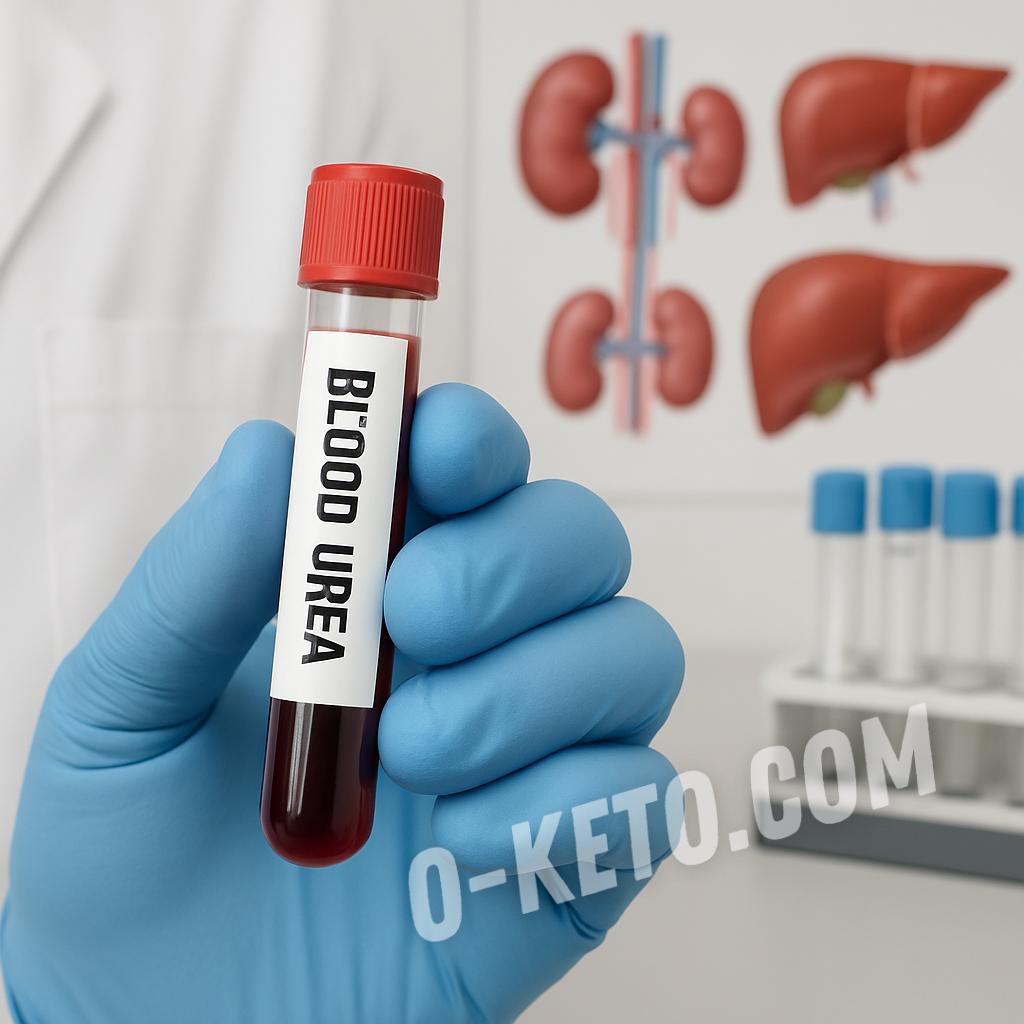
Urea is one of the basic laboratory markers that reflects how the body is handling protein metabolism and clearing nitrogen-containing waste products. It is often discussed in relation to kidney function, but in practice the test carries a broader meaning. Urea levels are influenced not only by renal filtration, but also by protein intake, liver handling of nitrogen, hydration status, catabolic stress, and the overall metabolic state. This is why urea alone rarely gives a final answer. It becomes truly useful only when interpreted together with creatinine, estimated GFR, symptoms, urinalysis, diet, and hydration context.
What the test reflects
Urea is formed in the liver as the end product of ammonia detoxification. Ammonia itself is generated during the breakdown of amino acids and proteins. Urea then enters the bloodstream and is cleared by the kidneys. Because of this pathway, the marker gives insight into several processes at once: how intense protein breakdown is, how effectively the liver is converting nitrogen waste into a safer form, and how well the kidneys are eliminating the final product. That means an abnormal value should not automatically be interpreted only as a kidney problem. Sometimes urea rises with dehydration or catabolic stress, and sometimes it rises together with creatinine and supports concern about reduced renal filtration.
When the test is especially useful
Urea is commonly checked when there is swelling, fatigue, brain fog, altered urination, elevated blood pressure, concern about kidney dysfunction, dehydration, or significant protein-catabolic stress. It is also useful in routine screening for people with diabetes, hypertension, high-protein diets, recent rapid weight loss, severe infection, or conditions where tissue breakdown may be increased. One of its main practical strengths is the way it complements creatinine. Read together, the two markers help distinguish a more likely renal pattern from one driven mainly by diet, hydration, or temporary catabolism.
What can raise urea
Higher urea may occur with dehydration, increased protein breakdown, fasting, heavy protein intake, fever, stress catabolism, some infections, and states where renal clearance declines. When urea rises together with creatinine, especially alongside urine abnormalities, swelling, reduced urine output, or high blood pressure, suspicion of impaired kidney filtration becomes stronger. But when creatinine stays calm, interpretation shifts more toward dehydration, protein overload, exercise-related catabolism, tissue breakdown, or other non-renal explanations. This is why one elevated urea result without context should not be treated as a diagnosis on its own.
What low values may suggest
Low urea is discussed less often, but it can still be informative in some settings. It may occur with low protein intake, impaired liver synthetic handling, marked protein-energy deficiency, excess fluid load, pregnancy, or other states in which the formation of urea as a final nitrogen product is reduced. As with high values, one number alone should not drive a sweeping conclusion. The useful question is whether low urea appears together with low total protein, undernutrition, weakness, low muscle reserve, or other laboratory clues that point toward a deficiency or liver-related scenario.
How to read it with neighboring markers
The main practical question after an abnormal urea value is what creatinine is doing at the same time. If urea is elevated and creatinine is also rising or out of range, clinicians think more seriously about a renal component and look at eGFR, urinalysis, urinary protein, electrolytes, and kidney imaging. If urea is high while creatinine remains normal, dehydration, protein load, fever, and broader catabolic stress become more prominent in the interpretation. Liver status also matters because the liver is responsible for producing urea. This side-by-side reading is what turns the test into a clinically useful tool rather than a vague isolated number.
What can distort interpretation
Dietary protein, fasting patterns, hydration, body temperature, infection, tissue breakdown, and some medications can all influence urea. For that reason, the value may shift noticeably even without major structural kidney disease. A single result taken after a dehydrating week, intense exercise, heavy protein loading, or acute illness may not reflect a person’s usual baseline. The most useful approach is to measure urea under reasonably usual conditions and then interpret it together with creatinine, eGFR, urine findings, and symptoms. In that setting the marker can help identify a problem early instead of becoming a source of unnecessary alarm.
If you have any questions about the term "Urea", you can ask them to AI. Please note, a low-cost OpenAI model is used. It may answer questions about disease treatment with errors!


