


Blood albumin
Blood albumin helps assess protein status, hepatic synthetic function, fluid distribution, and overall metabolic reserve, but it should be read together with total protein, liver markers, and clinical context.
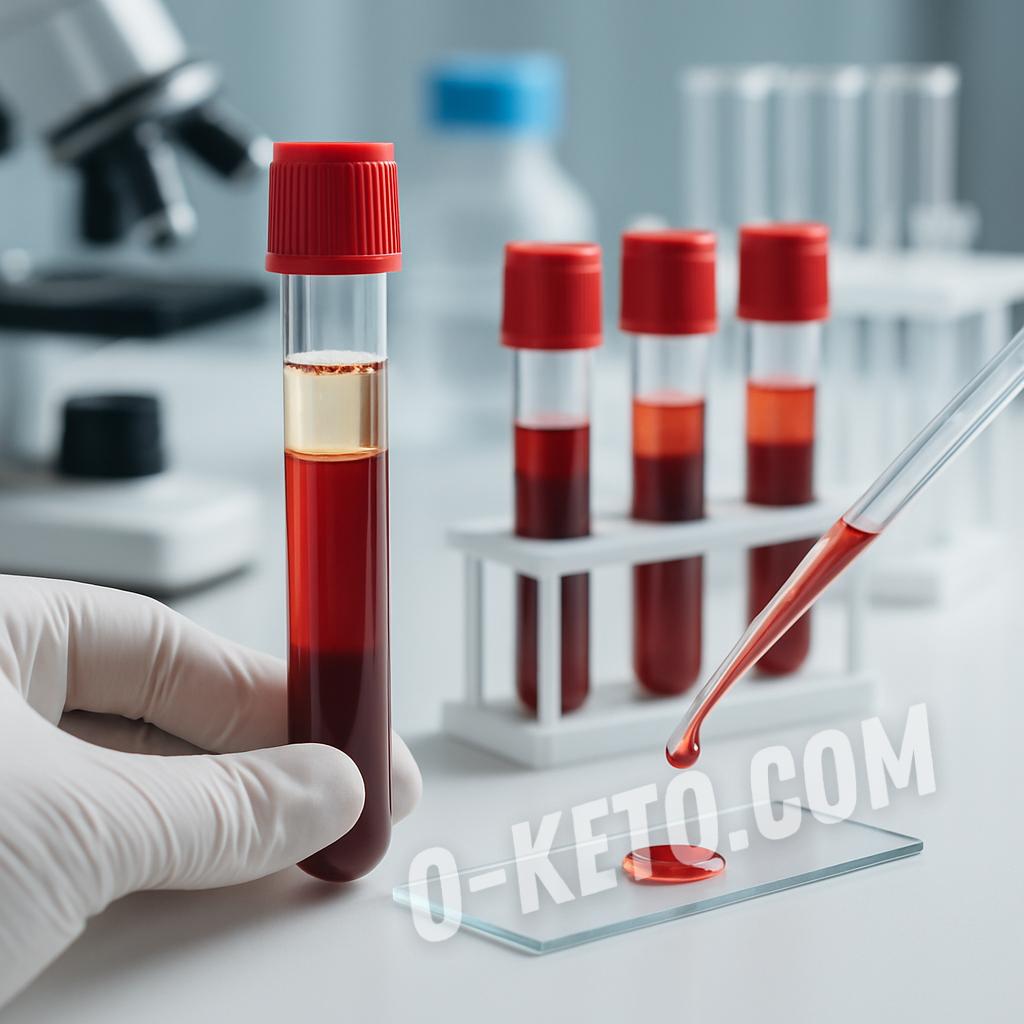
Blood albumin is one of the most important serum proteins and helps assess several physiologic domains at once: protein status, hepatic synthetic function, the distribution of fluid between vessels and tissues, and the body’s broader metabolic reserve. Even though the number may look simple, it should not be reduced to “one nutrition marker” or “one liver marker.” Albumin is influenced by inflammation, liver function, renal and intestinal protein losses, hydration status, chronic disease burden, body composition, dietary intake, and the rate of tissue breakdown. For that reason, albumin becomes most useful when interpreted together with total protein, liver enzymes, creatinine, urea, C-reactive protein, and the clinical picture.
What the test reflects
Albumin is synthesized in the liver and performs several essential tasks. It helps maintain oncotic pressure inside the vascular space and transports hormones, fatty acids, bilirubin, medications, and many other compounds. Because of that, an abnormal albumin value often reflects not just one isolated problem, but a broader systemic shift. When the level falls, clinicians think not only about insufficient protein intake, but also about reduced hepatic synthesis, chronic inflammation, accelerated catabolism, and protein loss through the kidneys or gastrointestinal tract. When the level rises, the discussion is usually much more about hemoconcentration and dehydration than about “too much albumin” as a disease in itself.
In practice, albumin is also important because it does not behave like a rapidly fluctuating marker such as glucose or some electrolytes. It is not simply a snapshot of yesterday’s meals. It tends to reflect a more stable protein-metabolic background and therefore becomes useful in chronic states, nutritional reviews, and broader functional assessment.
When the test is especially important
Albumin is often reviewed when protein-energy malnutrition is suspected, when there is marked weight loss, sarcopenia, edema, chronic fatigue, liver disease, nephrotic protein loss, inflammatory states, malabsorption, or prolonged catabolic stress. It is particularly informative in older adults, in recovery after major illness or surgery, in people with long-standing gastrointestinal complaints, and in those whose diet may not provide enough usable protein.
It is also valuable in people who have been following very low-calorie plans, aggressively restricting food, or chronically undereating while attempting weight loss. Keto or LCHF by themselves do not automatically reduce albumin, but inadequate protein intake, significant inflammation, intestinal dysfunction, or liver disease certainly can. That is why interpretation should always be tied back to real food intake, body composition, weight trend, and neighboring laboratory markers.
What can lower albumin
Low albumin may be seen in protein deficiency, chronic inflammation, reduced hepatic synthetic capacity, nephrotic losses, certain gastrointestinal disorders with protein loss, and broader catabolic states. Sometimes the change is driven by more than one mechanism at once. A person may be eating poorly, absorbing badly, and living with an inflammatory burden at the same time. In that setting albumin is not a diagnosis on its own, but it becomes a strong clue that protein reserve and recovery capacity are impaired.
The finding is especially meaningful when it appears together with low total protein, low urea, low creatinine, declining muscle mass, edema, weakness, or slow recovery after illness. Then the marker helps confirm that the issue is not merely a random fluctuation, but a wider protein-metabolic deficit that deserves attention.
What can raise albumin
High albumin much more often reflects reduced plasma water than a disease producing excess albumin. In other words, the usual explanation is dehydration and hemoconcentration. This can occur after inadequate fluid intake, heavy sweating, vomiting, diarrhea, fever, or intense physical exertion. That is why an elevated albumin value usually points first toward the hydration story, not toward an imaginary “albumin excess disorder.”
Sometimes a high albumin looks more dramatic than it truly is because hematocrit, hemoglobin, sodium, or total protein are also elevated at the same time. In that pattern the interpretation again shifts toward volume depletion. This is why albumin should never be read in isolation from the broader water-electrolyte and clinical picture.
How to read it with other markers
Albumin is best interpreted together with total protein, liver markers, creatinine, urea, urinalysis, urinary protein, C-reactive protein, and sometimes markers of intestinal absorption. If albumin is low and total protein plus liver-related markers are also shifted, attention may move toward hepatic dysfunction or inflammation. If protein loss in the urine is present, renal causes become more important. If the dominant pattern is weight loss, low muscle mass, weakness, and poor intake, the result becomes especially relevant from a nutritional perspective.
This comparative reading matters because the same albumin value can mean very different things in an athlete after major sweating, an older person with sarcopenia, a patient with chronic liver disease, or a person recovering from prolonged intestinal illness. The laboratory number alone does not tell that story; the surrounding context does.
What can distort interpretation
Inflammation, hydration changes, plasma-volume shifts, acute illness, exercise, protein losses, prolonged restrictive diets, and disorders of the liver or kidneys can all influence albumin. A single blood draw after an unusual week may therefore fail to represent the person’s real baseline. For practical work, it is better to evaluate albumin under ordinary living conditions and then look at the trend over time if concern remains.
Used this way, blood albumin becomes a meaningful laboratory tool. It helps reveal reduced protein reserve, altered fluid distribution, and parts of chronic systemic stress, but only when it is read as one element in a wider clinical and metabolic pattern rather than as a stand-alone label.
If you have any questions about the term "Blood albumin", you can ask them to AI. Please note, a low-cost OpenAI model is used. It may answer questions about disease treatment with errors!


