


Creatinine
Creatinine helps assess kidney filtration and the broader muscle-energy metabolism, but it should be interpreted together with urea, eGFR, urine testing, electrolytes, and clinical context.
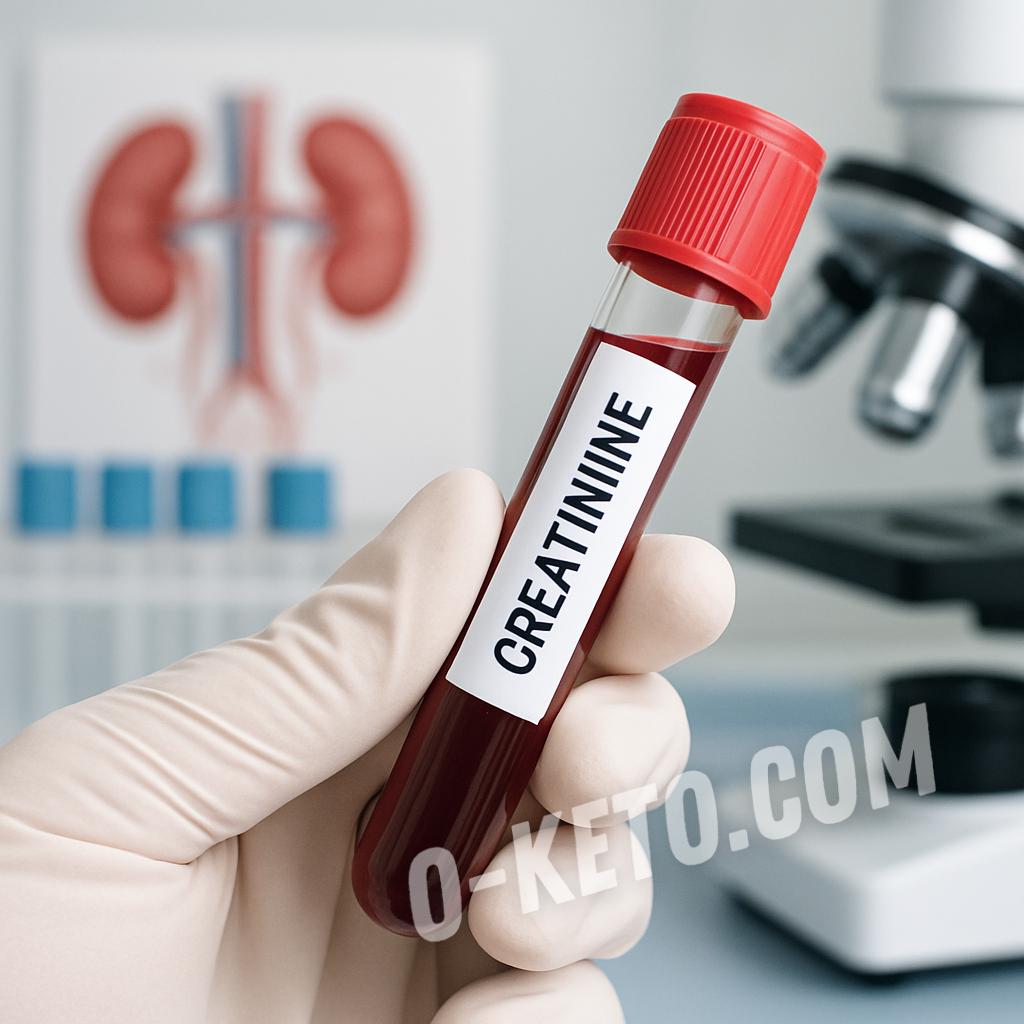
Creatinine is one of the best-known laboratory markers and is most often associated with kidney function. That association is valid because the value helps show how effectively the kidneys are filtering blood and clearing metabolic waste. Still, reducing the whole meaning of the test to “creatinine equals kidneys” would be too simplistic. The result is also influenced by muscle mass, dietary pattern, hydration status, physical activity, and overall metabolic background. This is why creatinine is useful on its own, but becomes truly informative only when interpreted together with urea, estimated GFR, urinalysis, electrolytes, and the broader clinical picture.
What the test reflects
Creatinine is produced during the metabolism of creatine and phosphocreatine, compounds involved in muscle energy supply. It then circulates in the blood and is cleared mainly by the kidneys. That is why the marker is widely used as a practical indicator of kidney filtration. When kidney clearance declines, creatinine may rise. But a high number does not always mean the same thing in every person, and a normal number does not always exclude trouble, especially if there are changes in eGFR, urine findings, edema, blood pressure, or urinary symptoms. Interpretation depends on context, not just on the number alone.
When the test is especially useful
Creatinine is often checked when there is concern about kidney dysfunction, reduced urine output, swelling, lower back discomfort, elevated blood pressure, chronic fatigue, abnormal urine findings, or when treatment that can affect the kidneys is being monitored. It is also useful in routine screening, especially in people with diabetes, hypertension, metabolic syndrome, high-protein diets, dehydration risk, or exposure to potentially nephrotoxic medications. Another important reason to look at creatinine is to separate true filtration impairment from shifts related to muscle mass, athletic training, hydration, or recent diet.
What can raise creatinine
Higher creatinine may accompany reduced kidney filtration, urinary outflow problems, dehydration, inflammatory or infectious kidney processes, some medications, and metabolic states with greater catabolic load. In other people, a high-protein diet, intense exercise, or large muscle mass may also contribute. That is why an elevated value should not automatically be treated as definite kidney failure, but it also should not be dismissed too casually as “just muscle” or “just protein” when there are additional warning signs. The useful question is whether the pattern fits a temporary physiologic shift or a clinically meaningful decline in filtration that deserves a fuller workup.
What low values may suggest
Low creatinine is discussed less often, but it can still matter. It may be seen with low muscle mass, protein deficiency, frailty, older age, pregnancy, loss of lean tissue, or broader states of reduced anabolic and energy reserve. A low number by itself does not establish a diagnosis, but it can become clinically meaningful when it appears together with weakness, weight loss, poor intake, sarcopenia, or other signs of depleted protein-muscle resources. In that context it becomes more of a nutritional and body-composition clue than a kidney marker.
How to read it with neighboring markers
The main rule is never to read creatinine in isolation. It is almost always interpreted alongside urea, estimated GFR, urinalysis, urinary protein, electrolytes, and sometimes cystatin C or kidney imaging. If creatinine rises together with urea and there are urine changes, swelling, hypertension, or lower urine output, concern about impaired kidney function becomes stronger. If the number is only mildly shifted without other abnormalities, muscle mass, dehydration, recent exercise, and diet deserve more attention. This comparative reading helps avoid both overreaction and false reassurance.
What can distort interpretation
Creatinine is influenced by training, muscle mass, hydration, protein intake, medications, and body composition. That means the same reference interval cannot always be interpreted in exactly the same way in a very lean low-muscle person and a heavily trained muscular person. The result may also shift temporarily after acute illness, vomiting, diarrhea, or abrupt dietary changes. The most sensible approach is to evaluate creatinine under reasonably usual conditions and then connect it with eGFR, urea, urine findings, and symptoms. In that setting the marker becomes a useful early signal rather than a source of confusion.
Another common mistake is trying to judge kidney health from one isolated historical value without looking at trend. In practice it matters whether creatinine is stable, gradually rising, or changing together with eGFR, urine abnormalities, swelling, blood pressure, or a shift in general well-being. This dynamic reading is what turns the marker from a bare number into a practical tool for early detection and follow-up of renal filtration problems.
If you have any questions about the term "Creatinine", you can ask them to AI. Please note, a low-cost OpenAI model is used. It may answer questions about disease treatment with errors!


