


TSH (thyroid-stimulating hormone)
The main screening marker of thyroid regulation, useful only when interpreted together with free T4, free T3, symptoms, thyroid medication use, timing of testing and the broader clinical picture.
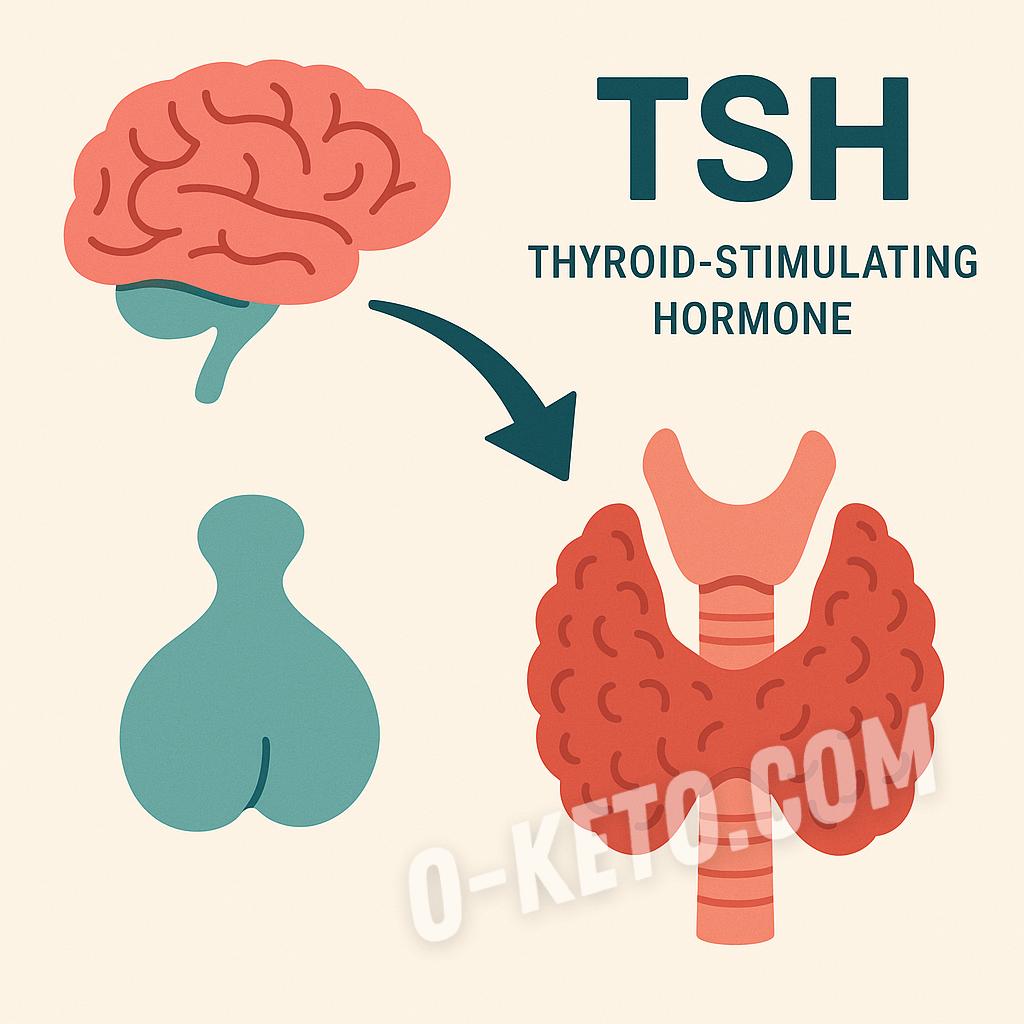
TSH, or thyroid-stimulating hormone, is the main laboratory marker usually used to begin evaluation of thyroid function. It is produced by the pituitary gland and regulates how actively the thyroid should make thyroid hormones. But TSH by itself is not the whole thyroid story. It is a control-system signal that must be interpreted together with free T4, free T3, symptoms, levothyroxine use, age, pregnancy and clinical context. That is why a single TSH value can either help greatly or mislead when taken in isolation.
What the test shows
TSH reflects how the pituitary responds to the amount of thyroid hormone available to the body. If thyroid output is insufficient, TSH usually rises in an attempt to stimulate the gland. If hormone exposure is excessive, TSH usually falls. In practice this makes TSH a convenient screening marker for hypothyroid and hyperthyroid states, but not a universal answer to every thyroid question.
There are situations in which TSH shifts before free hormones move dramatically, and others in which interpretation becomes more complex: pituitary disease, severe illness, pregnancy, thyroid medication, dose changes and certain drugs.
When TSH is especially useful
The test is especially relevant in fatigue, sleepiness, hair loss, dry skin, constipation, cold intolerance, palpitations, tremor, anxiety, menstrual disruption, fertility issues, weight change and follow-up of known hypo- or hyperthyroidism. It is also central when adjusting or monitoring levothyroxine, but in that setting timing and consistency of dosing matter enormously.
During pregnancy or preconception planning, TSH requires even more careful interpretation because targets and reference considerations may differ and thyroid stability becomes especially important.
What can affect the result
TSH can be influenced by biotin, glucocorticoids, dopaminergic drugs, severe illness, acute stress, sleep disruption, recent levothyroxine dose changes, missed tablets and even the time elapsed since treatment was started or stopped. If the sample is taken soon after a dose adjustment, the result may not yet represent a stable state. Laboratory methodology can also matter.
Because of that, a single borderline or surprising result should not be overinterpreted. Repeat testing, free T4, free T3, antibodies and the clinical picture often decide whether the number is meaningful.
How it is read with free T4 and free T3
High TSH with low free T4 more strongly supports hypothyroidism. Low TSH with elevated free hormones supports a hyperthyroid direction. In subclinical states, however, free hormones may still remain within laboratory limits, so interpretation depends on symptoms, age, pregnancy status, antibodies and follow-up over time. Free T4 and free T3 show how large the downstream hormonal disturbance actually is.
If a person already takes levothyroxine, the clinician must look not only at TSH but also at symptoms, pulse, dose tolerance, consistency of the routine and possible reasons for fluctuation. Dose changes should not be made mechanically from one number alone.
Why TSH should not be interpreted alone
A common mistake is treating a “normal” TSH as proof that no thyroid issue exists, even when symptoms, antibodies or medication instability clearly point to a deeper problem. The opposite mistake is panicking over a mild shift without considering sleep, medication, pregnancy, acute illness and free hormone levels.
TSH is most useful as the center of thyroid interpretation, but it works best alongside free T4, free T3, antibodies, ultrasound and real clinical context. In that role it shows direction rather than becoming the source of rushed conclusions.
The best way to use TSH is not as a single fate-defining number, but as part of thyroid dynamics over time. Reproducibility of the result, the symptom pattern and knowledge of medication or health changes during the prior weeks often matter more than a mechanical reading of one laboratory sheet without history.
If you have any questions about the term "TSH (thyroid-stimulating hormone)", you can ask them to AI. Please note, a low-cost OpenAI model is used. It may answer questions about disease treatment with errors!


 1 / 4
1 / 4
 1 / 4
1 / 4
 1 / 4
1 / 4


 1 / 4
1 / 4 1 / 4
1 / 4