


Gamma-glutamyl transferase (GGT)
GGT helps assess bile stasis, alcohol or medication-related liver stress, and hepatobiliary load, but it should always be interpreted together with alkaline phosphatase, bilirubin, ALT, AST, and clinical symptoms.
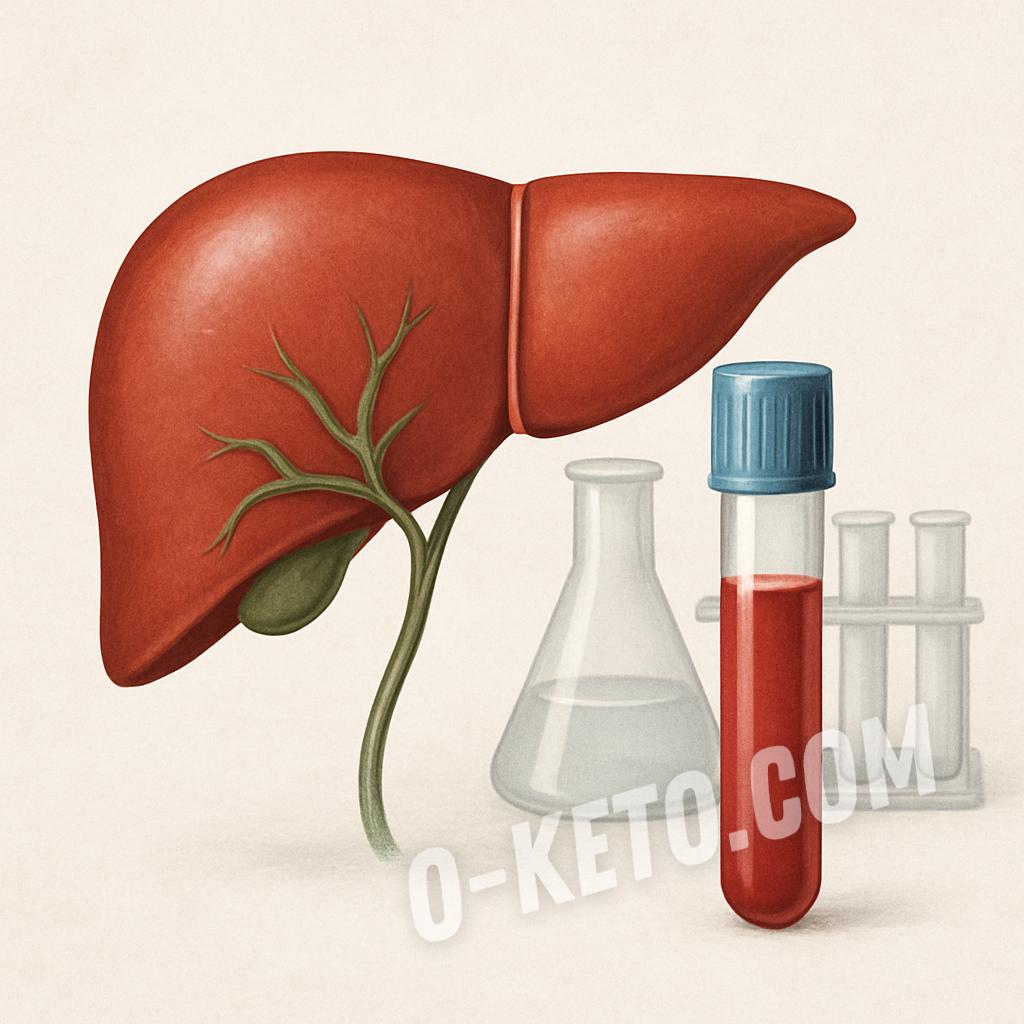
Gamma-glutamyl transferase, usually shortened to GGT, is a laboratory marker most often used as a sensitive clue for the condition of the liver and bile ducts. In practice it becomes especially useful when there is concern about bile flow disturbance, toxic liver stress, alcohol-related damage, medication load, or a mixed hepatobiliary picture. At the same time, GGT should never be treated as a single magical number that explains the entire liver story on its own. The same elevation can mean different things depending on what is happening with alkaline phosphatase, bilirubin, ALT, AST, lipid markers, symptoms, ultrasound findings, and the person’s recent exposures. That is why GGT works best as part of a pattern rather than as a standalone verdict.
What the test reflects
GGT is one of the enzymes that reacts quite sensitively to stress in the hepatobiliary system, especially around bile transport and liver-cell irritation. When bile flow slows down, ducts become inflamed, the liver is exposed to toxic stress, or the hepatobiliary system is under metabolic strain, GGT may rise early. This is one reason the marker is often considered more sensitive than some other standard chemistry values in the earliest phases of disturbance. Still, the number itself does not tell you exactly where the problem is located or how severe it already is. It points toward a direction. Real interpretation usually requires comparison with alkaline phosphatase, bilirubin fractions, ALT, AST, symptoms such as right upper abdominal discomfort, itching, dark urine, pale stool, nausea, and the person’s broader metabolic background.
When the analysis is especially useful
GGT is commonly checked when there is suspicion of bile stasis, duct irritation, gallstone-related obstruction, toxic liver load, fatty liver, inflammatory liver injury, or some pancreatic-biliary overlap. It is also helpful when alkaline phosphatase is elevated and the clinician wants to understand whether the source is more likely biliary than skeletal. If GGT rises together with alkaline phosphatase, concern about bile-flow problems becomes stronger. If alkaline phosphatase is elevated but GGT stays normal, a bone-related explanation may become more likely. This comparative role is part of what makes GGT useful: it helps distinguish between several similar-looking scenarios that could otherwise be confusing when judged from one marker alone.
What can raise GGT
High GGT is often seen in bile stasis, irritation or inflammation of bile ducts, gallstone-related problems, toxic effects of alcohol, some medication-related liver stress, fatty liver, hepatitis, and part of the pancreatic-biliary spectrum. In some people it becomes a sign of accumulated hepatobiliary load before bilirubin has moved dramatically. But the common mistake is to flatten every high GGT into one story, such as “this must be alcohol” or “this must be severe liver disease.” Real interpretation is broader. Body weight, triglycerides, glucose regulation, medication history, supplements, recent illness, alcohol exposure, and ultrasound findings all matter. A single measurement after an unusual week can easily be misleading if the surrounding context is ignored.
What low values may suggest
Low GGT does not usually create the same immediate concern as a strong rise, but it can still contribute to the clinical picture. Lower values are sometimes discussed in connection with reduced protein reserve, insufficient vitamin B6 or magnesium support, lower antioxidant capacity, or broader states of depleted synthetic and nutritional resources. That does not mean a low value automatically gives a diagnosis. It means the result may be more informative when it appears together with low total protein, fatigue, poor nutritional intake, reduced liver synthetic markers, thyroid imbalance, or other signs of depleted reserves. In other words, low GGT is more useful as a contextual clue than as a standalone conclusion.
How to interpret it with neighboring markers
The most common error is trying to read GGT without looking left or right on the lab sheet. In practice the marker is usually interpreted together with alkaline phosphatase, ALT, AST, bilirubin, lipid profile, and sometimes amylase or lipase, plus symptoms and imaging. When GGT and alkaline phosphatase are both elevated, bile stasis or bile-duct involvement becomes more likely. When GGT rises sharply with alcohol or toxic exposure while bilirubin is still normal, that pattern may also be meaningful. When alkaline phosphatase is abnormal without a parallel GGT rise, clinicians think more carefully about bone metabolism and non-hepatic explanations. This kind of side-by-side interpretation is what turns GGT from a vague alert into a practical laboratory tool.
What can distort the result
GGT is not influenced only by disease. Alcohol, medications, fatty liver, unstable glucose metabolism, recent toxic exposure, and broader metabolic stress can all shift the result. That is why it is not helpful to panic over a single number or to try to “game” the test with a few days of unusual restriction before the blood draw. A more honest reading comes from checking the marker under reasonably normal conditions and then interpreting it together with the person’s real symptoms and neighboring results. If jaundice, itching, dark urine, pale stool, right upper quadrant pain, or persistent nausea are present, a proper medical assessment matters more than trying to decode the value alone. GGT is valuable precisely because it can warn early, but it becomes truly useful only when it is placed inside a broader hepatobiliary context.
If you have any questions about the term "Gamma-glutamyl transferase (GGT)", you can ask them to AI. Please note, a low-cost OpenAI model is used. It may answer questions about disease treatment with errors!


 1 / 4
1 / 4 1 / 4
1 / 4
 1 / 4
1 / 4 1 / 4
1 / 4
 1 / 4
1 / 4