


E1510 (ethanol)
Ethanol as E1510 is used as a solvent and carrier for flavorings, extracts, and liquid supplements. It is not a carbohydrate, but meaningful amounts of alcohol matter for liver processing, sleep, appetite, medications, and glucose control.
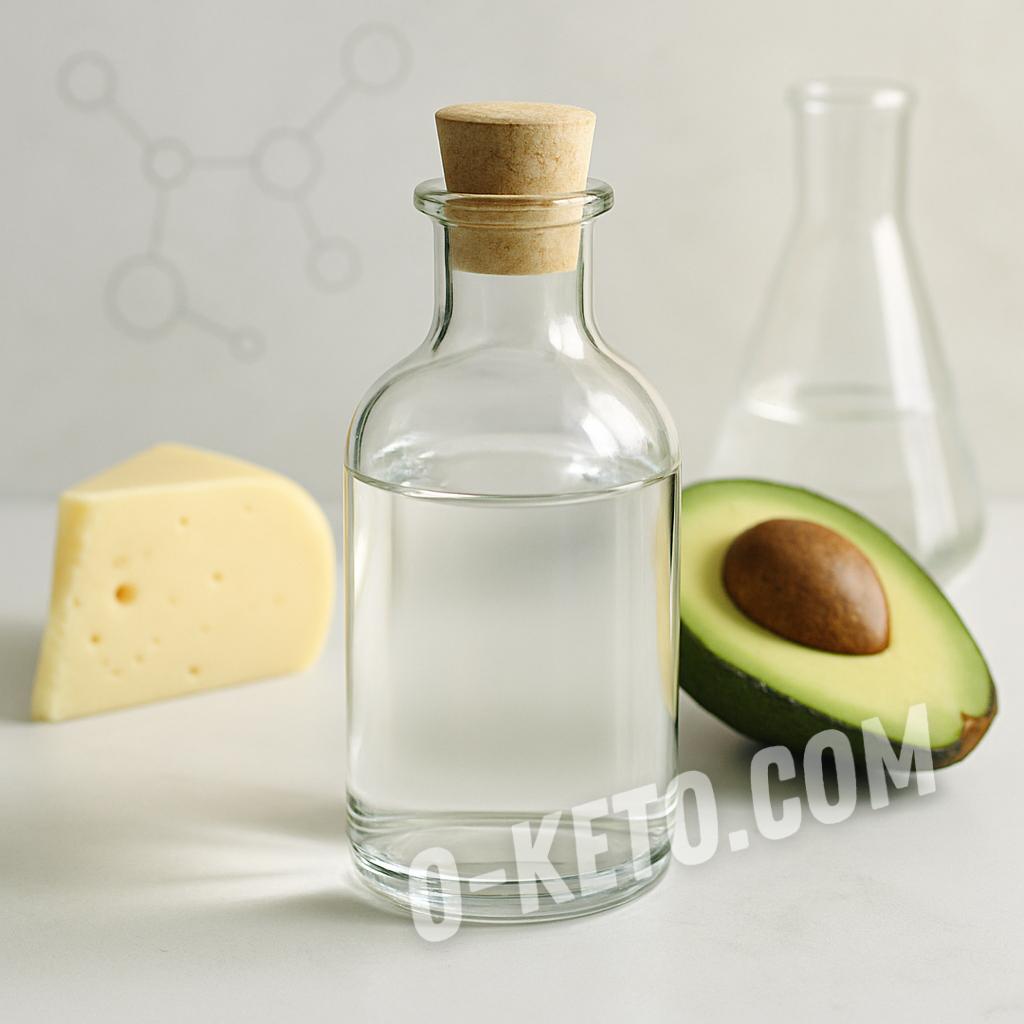
E1510 is ethanol, or ethyl alcohol, used in food technology as a solvent, carrier for flavorings, and auxiliary component. It is the same chemical alcohol found in alcoholic drinks, but in additive systems it is often used not for intoxication, but to dissolve and distribute substances that do not dissolve well in water. Ethanol may be present in flavorings, extracts, tinctures, supplements, syrups, and processing mixtures. Its evaluation depends on quantity, purpose, and product type, not only on the E number.
Why ethanol is used as an additive
Many aromatic compounds, plant extracts, and active components dissolve better in alcohol than in water. Ethanol helps extract them from raw materials, keep them in solution, and distribute them evenly in the final product. In small technological amounts, it may be almost invisible in taste and not perceived as an alcoholic ingredient. In other products, such as tinctures or liquid extracts, its role is much more obvious. It is important to distinguish a trace amount of solvent in a flavoring from a drink or supplement where ethanol is a significant part of the formula.
Relevance for keto and LCHF
Ethanol itself is not a carbohydrate and does not directly turn into glucose. That does not make alcohol metabolically neutral. The liver processes ethanol as a priority, and while it is handling alcohol, fat oxidation and other processes may shift temporarily. Alcohol can also reduce self-control, increase appetite, worsen sleep, and change the response to food. In trace amounts from a flavoring, this is usually not important. In drinks, tinctures, syrups, or frequent use of liquid supplements, the question changes: ethanol dose, sugar, calories, medication, and individual sensitivity all matter.
Who should be more cautious
Special caution is needed for children, pregnant people, those with liver disease, pancreatitis, alcohol dependence, epilepsy, some psychiatric conditions, and anyone taking medicines that are incompatible with alcohol. Even small amounts may be undesirable in a specific clinical situation. People with diabetes should remember that alcohol can make glucose behavior less predictable, especially with insulin or glucose-lowering medication. It may combine with risk of hypoglycemia, late hunger, and disturbed sleep. E1510 therefore cannot be judged only as “not a carb.” Health context matters more than formal macronutrient counting.
How to read the label
If ethanol is listed in a flavoring or extract near the end of the ingredient list, the amount may be very small. If it appears in a liquid supplement, tincture, syrup, or product with a clear alcoholic smell, closer evaluation is needed. Serving size, frequency of use, sugar, fructose, glycerin, sorbitol, flavorings, and acids should all be checked. Some low-carb products emphasize the absence of sugar but still contain alcohol or a sweet taste that maintains a dessert habit. For a person on keto, that can matter more than the mere presence of E1510.
Practical conclusion
E1510 is not a mysterious code; it is ordinary ethanol in a technological role. In microdoses as a flavoring solvent, it rarely matters for ketosis. In noticeable amounts, it is alcohol with all its features: liver processing, effects on sleep, appetite, medications, and safety. The practical evaluation is straightforward: a trace solvent in an occasional product and a regularly used alcoholic tincture are different situations. For low-carb nutrition, it is important to count not only carbohydrates, but also how a product affects behavior, recovery, liver function, and glucose control.
Trace amounts and meaningful dose
In practice, it is important to distinguish trace ethanol from a dose the body really has to process. Vanilla extract, a flavoring, or a few drops may contribute a minimal amount of alcohol per serving. A tincture, liquid supplement, or drink may be used daily and in a larger volume. Then the question becomes cumulative: how much ethanol is consumed per day, whether medication is involved, how sleep responds, and whether cravings increase. The same E1510 can have very different significance in different products.
If you have any questions about the term "E1510 (ethanol)", you can ask them to AI. Please note, a low-cost OpenAI model is used. It may answer questions about disease treatment with errors!


