



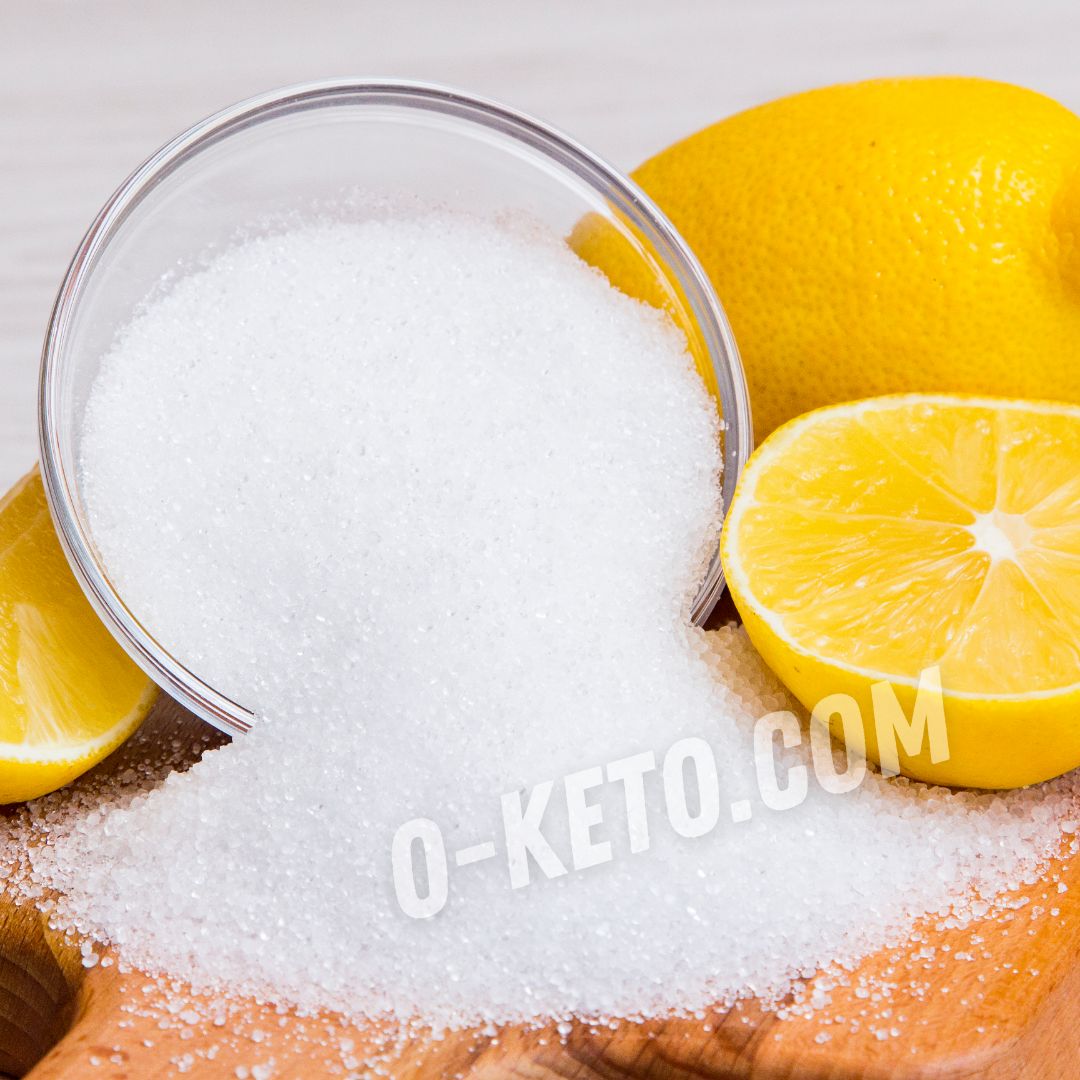

Citric acid is a white or colorless crystalline powder with a clean sour taste. It occurs naturally in citrus fruits, berries, and many plants, but the industrial food ingredient is usually made not by squeezing lemons, but by fermenting sugars and purifying the result. This is a standard food process: the final substance has the clear formula C6H8O7, without lemon aroma and without sugar.
In cooking, citric acid is useful when you need precise acidity without adding extra liquid. Lemon juice brings flavor, water, and aroma, while dry crystals bring acidity in a controlled way. That is why it is used in drinks, marinades, sauces, home canning, cheesemaking, jellies, sugar-free caramel-style mixtures, creams, glazes, and household cleaning for limescale.
Nutrition profile
Citric acid itself is not a meaningful source of protein, fat, or carbohydrate in normal culinary amounts. It barely changes the calories of a recipe because the dose is measured in grams or fractions of a gram. For keto, this matters: sourness can be added without sugar, juice, or a large amount of fruit puree. But acid does not make a dish low-carb by itself; the rest of the ingredients still matter most.
Citric acid tastes stronger than a small spoonful of powder may suggest. Too much quickly makes food flat and sharply sour, and it may irritate the mouth. In recipes, add it gradually, especially in cold dishes: crystals dissolve more slowly there, and the taste does not show fully at once.
Is it suitable for keto?
Citric acid fits keto and LCHF as an acidity regulator. It can balance fatty sauces, creamy desserts, mayonnaise, marinades, fish appetizers, sweetener-based jellies, and sugar-free drinks. Acidity makes flavor brighter, so sometimes it allows the sweetener amount to be reduced: the dessert tastes more complete because of contrast, not because more sweetness was added.
It is convenient for low-carb preparations: sugar-free pickled cucumbers or zucchini, meat sauces, quick brines, homemade lemonade with erythritol or allulose, and a sour note in mascarpone cream. It does not fully replace vinegar, though. The taste is softer and lacks vinegar aroma, but preservation depends on the recipe, salt, heat, cleanliness, and storage.
How to use it
For drinks and syrups, dissolve citric acid in water first, then add sweetener and aromatic ingredients. For creams and glazes, add it in tiny portions so the dairy base does not curdle and the texture does not become grainy. In marinades, mix it with salt, spices, and water, then taste the brine. For cheesemaking and curd-style products, follow the recipe because the acid amount affects protein coagulation.
Sugar-free baking can also gain from a small pinch of acid. It balances almond and coconut flour, makes berry fillings taste brighter, and supports baking soda when the recipe uses soda rather than a ready baking powder. In dough, however, excess acid may give a harsh taste and change the structure.
How to choose
For food, choose food-grade citric acid without flavorings, dyes, or technical impurities. The crystals should be dry and loose, without lumps or foreign smell. A small package is often better if you use it rarely: after long storage in an opened bag, the powder may absorb moisture and clump.
If you also use citric acid for cleaning kettles, taps, or scale, keep a separate package for household tasks. This prevents confusion and keeps the food jar clean.
Limits
Citric acid is concentrated, so it should not be eaten as dry crystals or given to children as a sour treat. The powder can sting skin, eyes, and mucous membranes, and a strong solution may be unpleasant for tooth enamel. In drinks, aim for a taste similar to lemon water, not a sharp acid bite. With a sensitive stomach, reflux, or personal limits on sour foods, dose it carefully.
Storage
Store citric acid in a dry place, in a tightly closed jar or bag. Moisture turns crystals into hard lumps, and a wet spoon can spoil the whole package. Keep it away from strong smells: the powder has almost no aroma, but it can pick up odors from spices or cleaning products.
What can replace it?
In food, citric acid can be replaced with lemon or lime juice, apple cider vinegar, wine vinegar, cream of tartar, or unsweetened tart berry puree. The right substitute depends on the task. Juice adds aroma and water, vinegar brings its own smell, cream of tartar is better for doughs and whipped whites, and berry puree changes both color and carbohydrate count. Consider not only acidity, but also the liquid balance of the recipe.
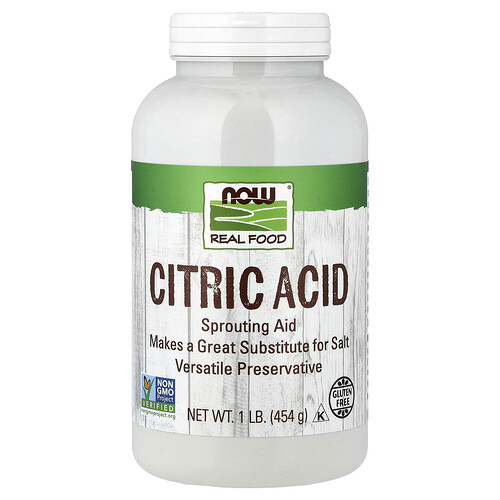
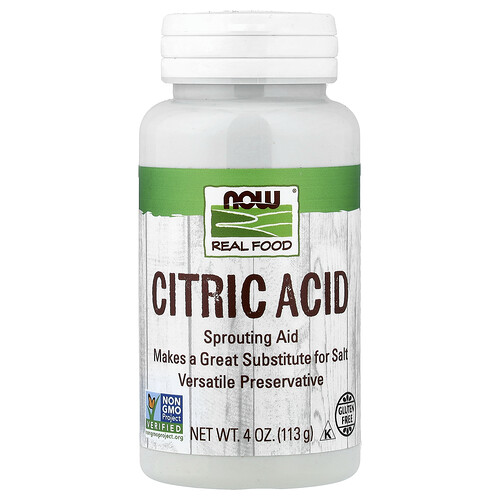
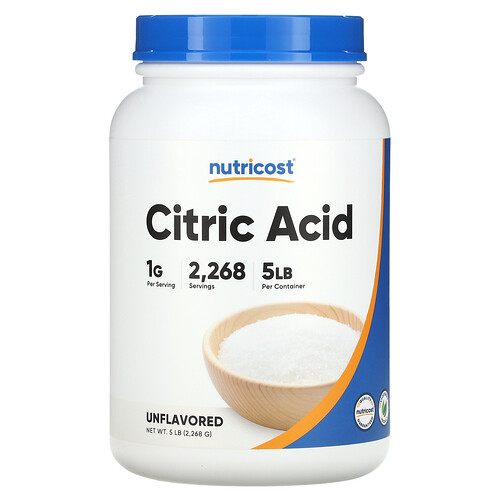
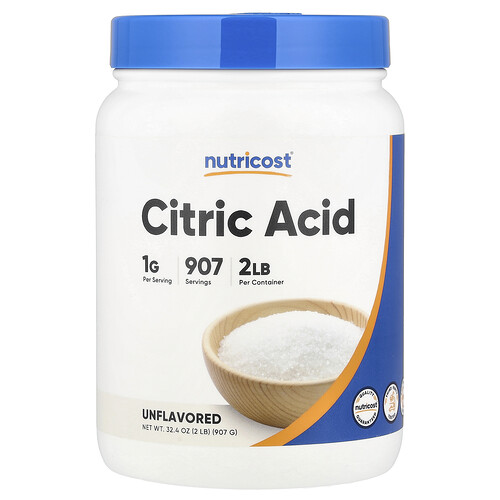
Substitution options in recipes
Lemon. 6 tsp of lemon juice is equivalent to 1 g of acid. The juice provides not only acidity but also a citrus aroma. For curdling milk, use cold juice; for marinades, heat for 1 minute to deactivate the enzymes.


