


Hepcidin
This liver-made regulator of iron metabolism helps show whether iron transport is open to tissues or restricted by inflammation; it is most useful when ferritin, TIBC, transferrin saturation, and the blood count conflict.
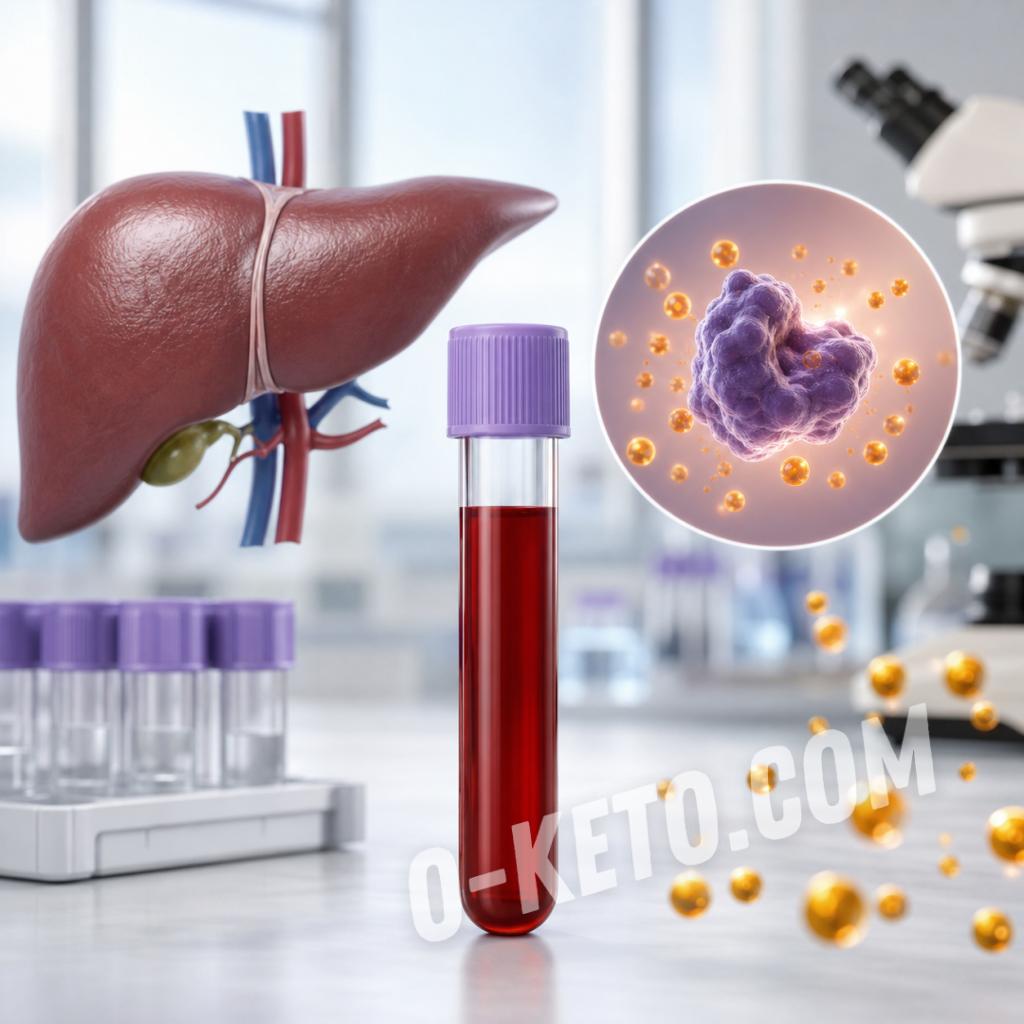
Hepcidin is a small peptide hormone made mainly by the liver. It controls how much iron can enter the blood from the intestine and how easily stored iron can leave cells such as macrophages. A hepcidin blood test is useful when the question is not simply whether iron stores are low, but whether iron is actually available to tissues. This is why the marker is most helpful when ferritin, serum iron, TIBC, transferrin saturation, transferrin, and the complete blood count do not tell one clean story.
What the test shows
Hepcidin links iron metabolism with immune signaling. When hepcidin is low, the body allows more iron to pass through ferroportin, so intestinal absorption and release from stores become easier. This pattern usually makes sense when iron reserves are depleted and the bone marrow needs more iron for hemoglobin production. When hepcidin is high, ferroportin is functionally blocked. Iron can remain trapped inside enterocytes and macrophages, while the blood and bone marrow receive less usable iron. In that situation a person may have functional iron restriction even when ferritin is not low.
How to read it with ferritin
Ferritin is often treated as the main storage marker, but it is also an acute phase reactant. It can rise during infection, chronic inflammation, autoimmune activity, liver disease, malignancy, or other inflammatory states. For that reason a normal or elevated ferritin value does not always prove that iron is freely available for red blood cell production. Hepcidin helps separate two different patterns. Low hepcidin together with low ferritin supports true iron store depletion. High hepcidin with anemia and inflammatory markers supports anemia of chronic disease, where iron is present in the system but locked away from use.
What can distort the result
The result is influenced by recent inflammation, acute infection, chronic disease activity, liver function, recent iron supplementation, timing of sampling, and the laboratory method. A value measured during fever, active inflammatory symptoms, a flare of autoimmune disease, or immediately after iron intake may reflect the current protective response rather than a stable baseline. For that reason hepcidin should be interpreted together with high-sensitivity C-reactive protein, IL-6 when available, ferritin, serum iron, TIBC, transferrin saturation, hemoglobin, MCV, MCH, reticulocyte hemoglobin, and the clinical story.
Why it matters in anemia
Iron deficiency anemia and anemia of chronic disease may both come with fatigue, lower hemoglobin, and changes in red blood cell indices, but the mechanisms differ. In iron deficiency anemia the body usually tries to remove the brake on iron transport, so hepcidin tends to be low. In anemia of chronic disease, inflammatory signaling raises hepcidin, blocks iron export, and limits delivery of iron to the bone marrow. This difference is clinically important because the same ferritin number can mean different things depending on inflammation, liver context, and iron transport markers.
Practical context
Hepcidin is not a stand-alone diagnosis and it is not a marker to chase in isolation. It is most useful when a standard iron panel is confusing: ferritin is normal or high, serum iron is low, transferrin saturation is low, or the blood count suggests anemia without an obvious reason. In nutrition work it also explains why simply adding more iron is not always the right interpretation. If inflammatory blockade is strong, the body may restrict absorption and keep iron inside storage cells. On keto or LCHF the marker has no special diet-specific meaning, but it can be relevant when fatigue, heavy menstrual losses, gut problems, chronic inflammation, or a restricted diet make the iron profile difficult to read.
When the marker is especially useful
The test becomes most informative when the usual iron markers disagree with one another. A person may have low hemoglobin, low transferrin saturation, and symptoms of anemia, while ferritin is normal or even elevated. Without hepcidin and inflammatory markers this pattern can be misread as adequate iron stores. Hepcidin adds context: it helps show whether the body is asking for more iron absorption or actively limiting iron movement. The final interpretation should still include symptoms, menstrual blood loss, digestive absorption, liver status, recent infections, inflammatory disease activity, medication history, and the response to previous iron therapy.
If you have any questions about the term "Hepcidin", you can ask them to AI. Please note, a low-cost OpenAI model is used. It may answer questions about disease treatment with errors!


 1 / 4
1 / 4 1 / 4
1 / 4


 1 / 4
1 / 4 1 / 4
1 / 4 1 / 4
1 / 4
