


Low-density lipoproteins (LDL)
LDL particles carry cholesterol and other lipids to tissues, but vascular risk is driven mainly by excess ApoB-containing atherogenic particles. LDL-C shows the mass of cholesterol inside LDL, not particle number; on keto, marked rises in LDL and ApoB require assessment of diet, genetics, thyroid status and overall risk rather than reassurance from high HDL alone.
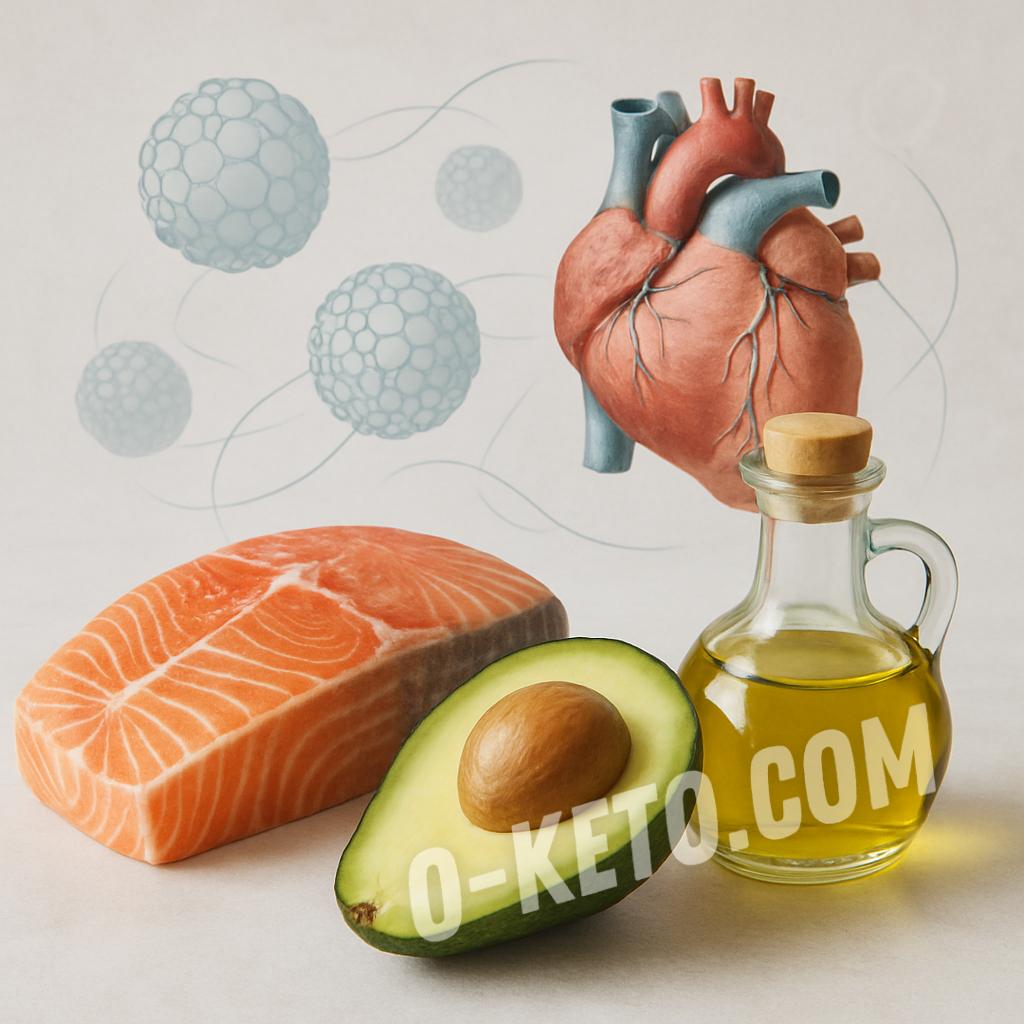
Low-density lipoproteins, or LDL, are particles that carry cholesterol and other lipids from the liver to tissues. They are often called bad cholesterol, but it is more accurate to speak about atherogenic ApoB-containing particles. Cholesterol is necessary for the body; risk appears when too many particles enter the artery wall and participate in plaque formation.
Standard laboratory reports usually show LDL-C, the amount of cholesterol inside LDL particles. This is an important marker, but it does not always reflect particle number. Two people with the same LDL-C can have different numbers of LDL particles and different ApoB. Non-HDL cholesterol and ApoB often help assess risk more clearly, especially with insulin resistance, high triglycerides, diabetes or an unusual diet response.
Why LDL is linked with atherosclerosis
Atherosclerotic plaque develops when ApoB-containing particles are retained in the artery wall. Inflammation, immune cells, oxidative processes, smooth muscle cells and tissue remodeling then become involved. This is a long process influenced by particle number, exposure time, blood pressure, smoking, glucose, inflammation and genetics.
Oxidized LDL is often discussed as the main problem, but practical risk cannot be reduced only to oxidized cholesterol. If particles are few, the chance of retention is lower. If ApoB is high, more particles have the opportunity to enter the vessel wall. Reducing inflammation is useful, but it does not remove the importance of atherogenic particle number.
LDL-C, ApoB and non-HDL cholesterol
LDL-C shows the mass of cholesterol in LDL particles. ApoB estimates the number of atherogenic particles because each such particle carries one ApoB molecule. Non-HDL cholesterol includes cholesterol in all atherogenic particles: LDL, VLDL, remnants and others. These markers give a broader picture than LDL-C alone.
When triglycerides are high, LDL-C may underestimate risk because particle number can be high even when each particle carries less cholesterol. With low triglycerides and high LDL-C, the situation still needs assessment: sometimes particle number is lower than expected, but this is not a reason to automatically ignore the result. ApoB reduces part of the uncertainty.
Keto, LCHF and LDL increases
On keto and LCHF, many people see lower triglycerides, higher HDL and better glucose. In some people, however, LDL and ApoB rise markedly. This is more common with high saturated fat intake, butter, fatty dairy, coconut oil, lower body weight, high activity or genetic predisposition.
An LDL rise on keto should not automatically be treated as a catastrophe, but it should not automatically be declared safe either. ApoB, non-HDL cholesterol, lipoprotein(a), family history of early heart attacks, blood pressure, diabetes, smoking, age, inflammation, thyroid status and existing atherosclerosis all matter. When risk is high, targets for atherogenic particles are usually stricter.
What can be adjusted in the diet
If LDL or ApoB rises noticeably on low-carbohydrate eating, one common test is replacing part of saturated fat with unsaturated fat. Practically, this means less butter, coconut oil, heavy cream and excess cheese; more olive oil, avocado, fish, reasonable portions of nuts, eggs as tolerated and fiber from low-carbohydrate vegetables.
Protein intake, body weight, thyroid status, energy deficit and alcohol also matter. In some people, very strict carbohydrate restriction with a high fat share raises LDL more than a more moderate LCHF pattern. Sometimes a small increase in carbohydrates from vegetables, berries or fermented foods and a reduction in added fat improves the profile without returning to sugar and flour.
Practical interpretation
LDL is not an enemy of the body, but a transport particle. When many ApoB-containing particles circulate for a long time, vascular risk rises. Good interpretation is therefore neither fear of the word cholesterol nor denial of risk. Numbers, context and trend are needed.
For keto and LCHF, the best approach is to welcome better glucose and triglycerides while not ignoring high ApoB or LDL. If markers rise, it is a reason to adjust fat sources, check additional markers and consider personal risk. Low-carbohydrate nutrition should improve metabolic health as a whole, not win one marker at the cost of another.
If you have any questions about the term "Low-density lipoproteins (LDL)", you can ask them to AI. Please note, a low-cost OpenAI model is used. It may answer questions about disease treatment with errors!


 1 / 4
1 / 4


 1 / 4
1 / 4 1 / 4
1 / 4 1 / 4
1 / 4