


Phytic acid
A compound in seeds, grains, legumes, and nuts that stores phosphorus in plants and can bind iron, zinc, calcium, and magnesium. It should not be demonized, but intake, soaking, fermentation, mineral status, and tolerance of low-carbohydrate sources matter.
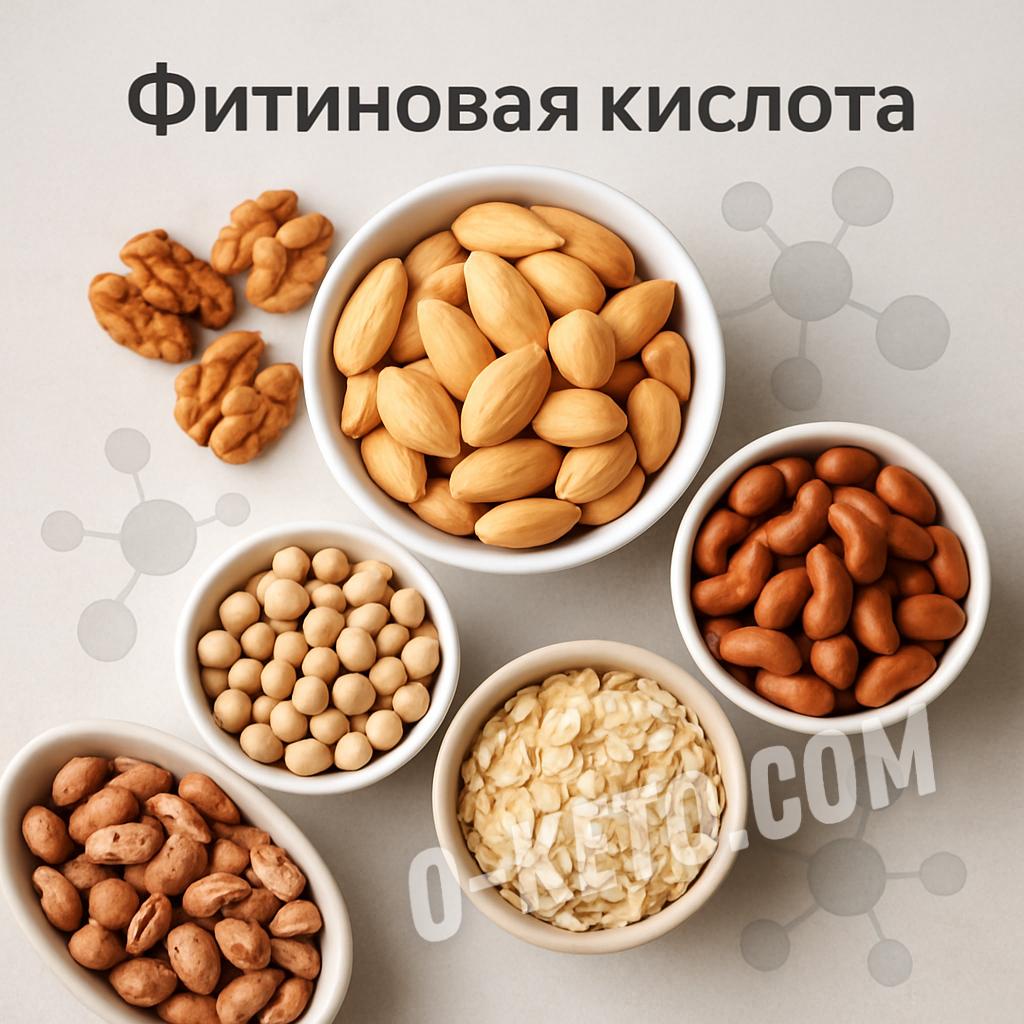
Phytic acid, or phytate in its salt form, is a compound plants use to store phosphorus in seeds, grains, legumes, nuts, and bran. For the plant, it is a mineral and energy reserve for germination. For humans, it matters because it can bind minerals in the intestine, especially iron, zinc, calcium, and magnesium, reducing their availability from a particular meal.
Phytic acid is often called an antinutrient, but that word is too blunt. It can reduce mineral absorption in a poor and monotonous diet, especially when grains and legumes form the base and are not properly prepared. But it is also part of plant foods, may have antioxidant properties, can influence glycemic response, and interacts with the microbiota. Context matters more than fear of one molecule.
Where it is found
Phytate is highest in bran, whole grains, legumes, seeds, nuts, and some pseudograins. On keto, grains and legumes are usually limited, but nuts, almond flour, flax, chia, sesame, pumpkin seeds, and nut butters can provide a meaningful amount. Low-carbohydrate baking based on nut flour is therefore not always as simple for minerals as it looks.
If a person eats modest nuts and seeds alongside meat, fish, eggs, vegetables, and adequate protein, the issue is often small. If the diet is built from almond flour, nut desserts, seeds, coffee, and little animal food, the risk of low iron, zinc, or magnesium may be higher. This matters especially in anemia, low ferritin, pregnancy, vegetarian eating, growth, and malabsorption.
Minerals and absorption
Phytate binds minerals in the gut lumen, but the strength of the effect depends on dose, meal composition, and the person’s status. Vitamin C improves non-heme iron absorption and can partly offset inhibitors. Animal protein, meat, and fish improve the mineral density of the diet and provide heme iron, which is less affected by phytate. A mixed diet usually handles phytic acid better than a grain-based diet.
Mineral status should be judged from tests and symptoms, not from the mere presence of phytate in food. Ferritin, hemoglobin, B12, zinc when indicated, magnesium in context, diet, stool pattern, and sources of loss all matter. Nuts should not be blamed automatically for every deficiency, but large daily portions of nut flour should not be ignored either.
Soaking, fermentation, and sprouting
Traditional preparation methods can reduce phytic acid. Soaking, sprouting, sourdough fermentation, other fermentation, and long cooking can activate phytases or help break down some phytate. This is why sourdough bread, fermented legumes, and sprouted seeds differ from raw or quickly cooked grains. In keto, the same logic may apply to seeds, nuts, and low-carbohydrate mixes.
Preparation does not make every food suitable for everyone. Nuts and seeds remain calorie-dense, often high in omega-6 fats, and sometimes irritating to the gut. In IBS, diverticulitis flare, allergy, reflux, or poor fat tolerance, even a properly soaked product may not work. Technique can improve availability, but it does not cancel individual tolerance.
Keto and practical balance
In low-carbohydrate cooking, phytic acid most often appears through almond flour, nut-based mixes, seeds, and nuts. These foods help replace grain baking, but they should not become the foundation of every meal. If someone often eats keto bread, cookies, bars, and desserts based on nuts, it is worth looking not only at carbohydrates but also at minerals, calories, omega-6 load, digestion, and sweet cravings.
The practical approach is simple: use nuts and seeds as additions rather than the base of the diet; combine them with protein, vegetables, and mineral-rich foods; when iron deficiency is present, avoid pairing every iron-rich meal with tea and a heavy phytate load; use soaking or fermentation if it improves tolerance. Phytic acid is not an enemy, but it reminds us that low-carbohydrate does not automatically mean nutritionally ideal.
If you have any questions about the term "Phytic acid", you can ask them to AI. Please note, a low-cost OpenAI model is used. It may answer questions about disease treatment with errors!


