


Proanthocyanidins
Polyphenolic compounds from cranberries, grape seeds, cocoa, berries, and some plant barks are studied for vascular support, microbiota interactions, and urinary tract health. They should not be treated as simple antioxidants; source, dose, form, tolerance, and medications matter.
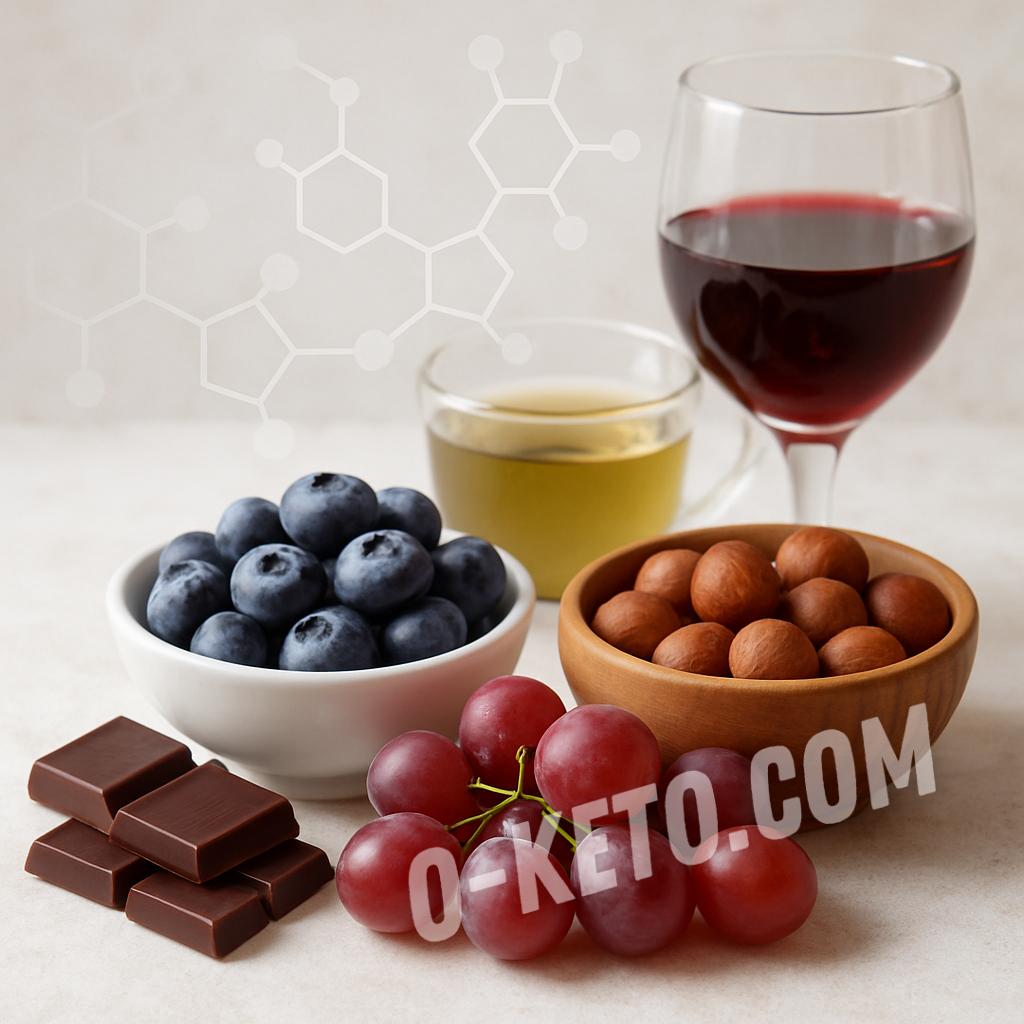
Proanthocyanidins are a group of polyphenols known as condensed tannins. They occur in cranberries, lingonberries, blueberries, grape seeds, cocoa, apple skin, pine bark, and other plant sources. These compounds contribute astringency, color, and flavor, and in the body they may interact with the microbiota, mucosal proteins, blood vessel walls, and oxidative-inflammatory signaling. They are not one vitamin and not one universal antioxidant.
The best-known topic is cranberry and urinary tract health. Cranberry proanthocyanidins, especially A-type compounds, are studied because they may interfere with the attachment of some Escherichia coli strains to the urinary tract lining. This does not mean cranberry juice treats an infection. Pain, fever, blood in urine, pregnancy, infection in men, or kidney involvement requires medical care. In some people, cranberry products or extracts may be part of prevention if tolerated and compatible with treatment.
Where they are found
Proanthocyanidins are found in foods with noticeable astringency and rich plant flavor. Cranberries, lingonberries, blueberries, black currants, unsweetened cocoa, high-cocoa dark chocolate, grape seeds, some nuts, apple skin, and cinnamon can provide different types of these compounds. The exact profile depends strongly on plant variety, ripeness, processing, storage, and product form.
For low-carbohydrate nutrition, the source matters. Cranberry juice, sweet berry drinks, and desserts may contain a lot of sugar, so they are not equivalent to cranberries or unsweetened extracts. More suitable options are often small portions of tart berries, unsweetened cocoa, good dark chocolate in moderation, spices, and sugar-free extracts. This makes it possible to obtain polyphenols without a large glucose load.
Urinary tract use and limits
Research on cranberry products most often concerns prevention of recurrent urinary tract infections, not treatment of active infection. The proposed mechanism is anti-adhesive: bacteria have more difficulty attaching to the lining. The effect depends on product form, proanthocyanidin amount, regular use, microbiota composition, fluid intake, hormonal status, and the reasons infections recur.
If an infection has already started, delaying treatment for cranberry is risky. Burning, frequent urination, pain, blood in urine, fever, flank pain, pregnancy, diabetes, immune suppression, and male sex change the level of risk. Urinalysis, culture when indicated, and medical management may be needed. Proanthocyanidins can be discussed as part of prevention, but not as a substitute for antibiotics when antibiotics are truly required.
Vessels, skin, and microbiota
Proanthocyanidins from cocoa, grape seeds, and berries are studied in relation to vascular function, endothelium, oxidative stress, tissue elasticity, and inflammatory signaling. They may influence metabolites produced by the gut microbiota and thereby affect vessels and immune responses indirectly. The effects are usually moderate and depend on the whole diet, sleep, movement, blood pressure, glucose, and smoking.
For skin and connective tissue, proanthocyanidins are sometimes discussed in relation to collagen and protection from oxidative stress. This should not be exaggerated. Without enough protein, vitamin C, copper, zinc, sleep, and overall nutrition, an extract cannot build connective tissue. It may be part of a diet rich in plant polyphenols, but it does not replace basic nutrients.
Supplements and safety
Grape seed extract, cranberry extract, pine bark extract, and other concentrates differ from food in dose. They may affect clotting, blood pressure, stomach irritation, and medication tolerance. Caution is needed with anticoagulants, antiplatelet drugs, blood pressure medicines, before surgery, during pregnancy, with kidney stones, chronic kidney disease, and a tendency to bleed.
Cranberry products may also be a problem in sensitive stomach, reflux, acid intolerance, and oxalate stones in susceptible people. Sweet forms add sugar, and a natural syrup does not become low-carb because cranberry is on the label. Practical use means choosing unsweetened forms, knowing the dose, considering medications, and rejecting the idea that every tart berry product is automatically good for everyone.
How to use them in food
In an ordinary diet, proanthocyanidins are best obtained as part of varied foods: small amounts of tart berries, unsweetened cocoa, spices, dark chocolate, olive oil, and other polyphenol sources. This approach provides not only individual molecules, but also taste, organic acids, minerals, fiber, and variety. In low-carbohydrate nutrition, that helps make the menu more interesting without sugar.
If cranberry or grape seed extract is used for prevention, the focus should not be the marketing word antioxidant, but form, dose, tolerance, and purpose. With recurrent urinary tract infections, medications, or kidney disease, the supplement should be discussed with a clinician. Proanthocyanidins can be useful tools when they are part of a clear strategy, not replacements for diagnosis.
If you have any questions about the term "Proanthocyanidins", you can ask them to AI. Please note, a low-cost OpenAI model is used. It may answer questions about disease treatment with errors!


