


How to treat polycystic ovary syndrome (PCOS)
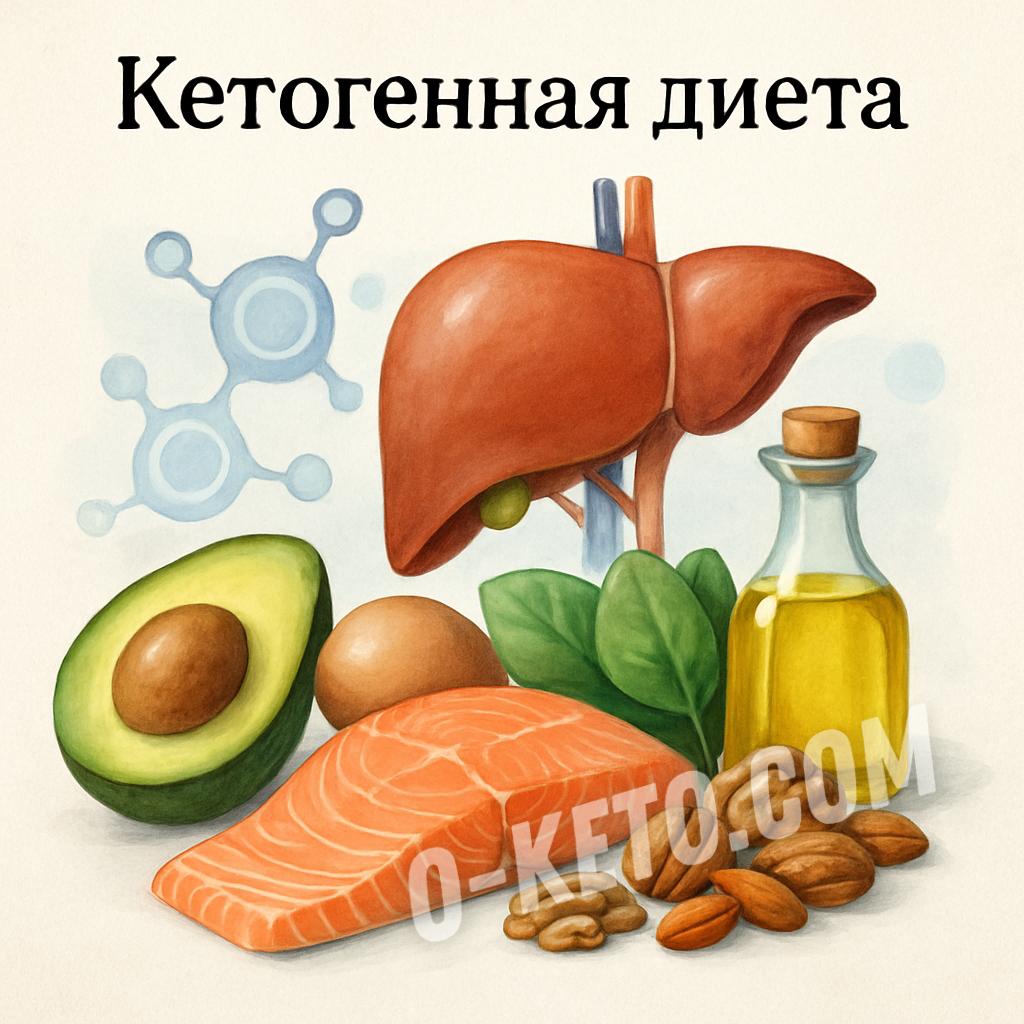
Polycystic ovary syndrome (PCOS) is directly related to insulin resistance. Switch to keto, and it will go away.
More details
Video on the topic
How insulin resistance affects PCOS:
- In insulin resistance, cells respond poorly to insulin, and the pancreas compensatorily increases its production.
- High insulin levels stimulate the ovaries to produce excess androgens (testosterone, androstenedione).
- Excess androgens disrupt follicle maturation and lead to anovulation, resulting in the formation of multiple immature follicles (visually - “polycystic” ovaries).
- Insulin also lowers the level of sex hormone-binding globulin (SHBG), which further increases the free fraction of androgens.
Why the ketogenic diet may help:
- Reduction of carbohydrate load → blood glucose levels stabilize, and insulin secretion decreases.
- Increased insulin sensitivity due to the shift to using fats and ketones as the primary energy source.
- Reduction of hyperandrogenism: with normalization of insulin, the ovaries start to produce less androgens.
- Restoration of ovulation: many women with PCOS experience improved cycles, ovulatory cycles, and the possibility of conception on a ketogenic diet.
- Reduction of chronic inflammation (ketones have anti-inflammatory effects, reducing systemic levels of pro-inflammatory cytokines).
The ketogenic diet in the case of PCOS works not as a “magic pill,” but as a tool to eliminate the key pathogenic factor - hyperinsulinemia. However, its effectiveness is maximized when combined with other measures: adequate protein intake, physical activity (especially strength training that increases insulin sensitivity), normalization of sleep, and stress management.
Any remaining questions? Ask chatGPT.:
Ask a question