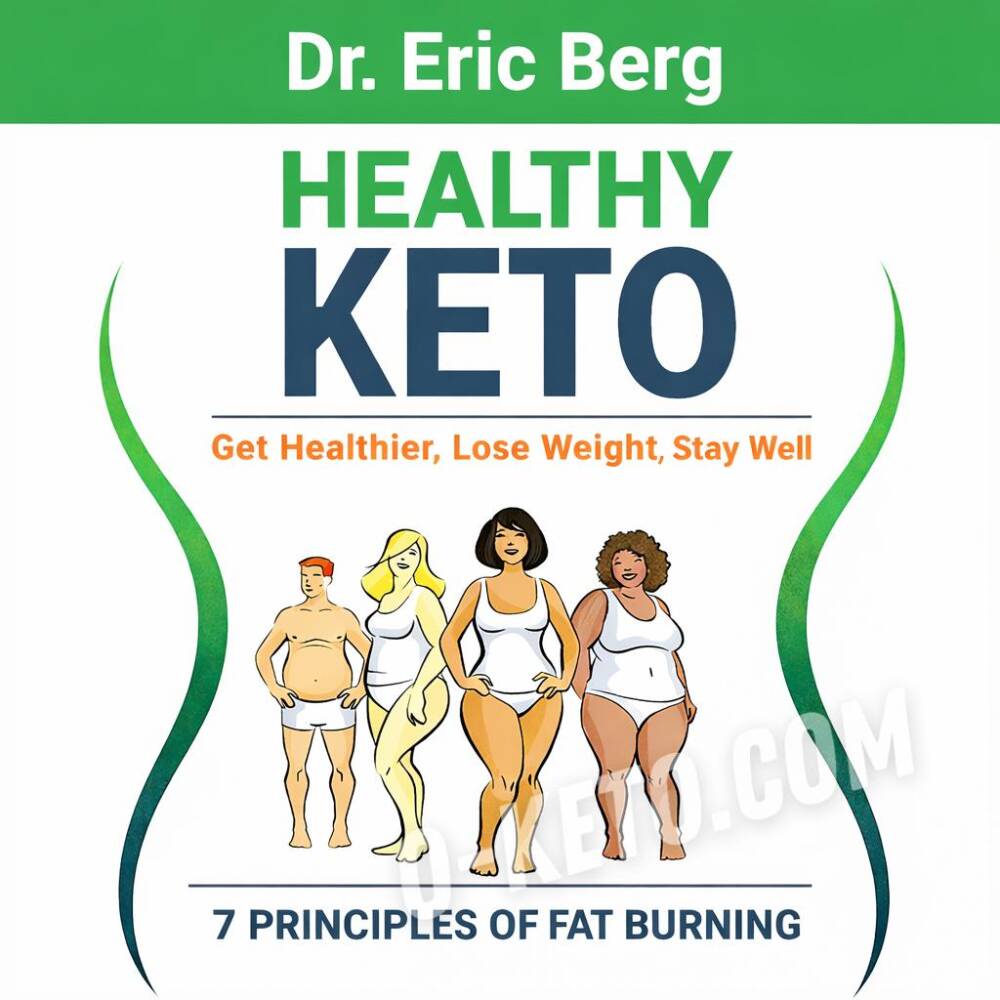
Seven Principles of Fat Burning
Fat burning is determined not by the number of calories, but by the hormonal environment. The key principle is to lower insulin, as it blocks the use of fat as fuel. Sugar, frequent snacking, stress, and lack of sleep maintain high insulin and cortisol levels, causing the body to switch to a storage mode.
To initiate fat burning, it is important to: eliminate sugar and fast carbohydrates, consume sufficient fats, moderate protein, get plenty of potassium from vegetables, ensure adequate sleep, and reduce chronic stress.
Hormones and Your Body Shape
Your body shape reflects which hormones are dominant. Insulin, cortisol, estrogens, thyroid hormones, and growth hormone influence where fat is stored, whether water is retained, and how actively the body expends energy.
Therefore, two identical diets can yield different results. With hormonal imbalance, attempts to "eat less" often lead to plateaus, worsening well-being, and increased food cravings.
Determining Your Body Type
Your body type describes which gland or system is currently "leading" the symptom picture. It is not a sentence or a label, but a hint at where there is overload: stress, nutrition, deficiencies, sleep disturbances, and recovery processes.
Many have a mixed type, but usually one dominates. Identifying your type helps understand the reasons for weight gain and choose a strategy aimed at restoring regulation rather than endless restrictions.
Adrenal Body Type
Associated with chronic stress and elevated cortisol. Fat and/or swelling often concentrate in the abdominal area, accompanied by anxiety, "internal agitation," sleep disturbances, and cravings for stimulants.
The main idea is that the problem is not "weak willpower," but hormonal overload and electrolyte imbalance. Recovery requires stress reduction, normalization of sleep, sufficient potassium from vegetables, and elimination of sugar and stimulants.
Ovarian Body Type
Characteristic of women and associated with estrogen imbalance. Fat is more likely to be stored in the hips and buttocks, often accompanied by PMS, cycle disturbances, swelling, and pronounced cellulite.
The key focus is on unloading the hormonal system and supporting elimination pathways: liver and lymphatic flow. Simply cutting calories usually does not solve the problem if hormonal "brakes" remain.
Thyroid Body Type
Associated with a slowed metabolism and reduced thyroid activity. Weight may be gained more evenly, often with cold extremities, fatigue, dry skin, decreased performance, and possibly high cholesterol.
It is emphasized that the thyroid often suffers secondarily: against the backdrop of insulin, stress, deficiencies (including iodine/selenium), liver and gastrointestinal issues. Therefore, the strategy begins with nutrition and eliminating systemic blockers.
Liver Body Type
Occurs with liver overload from sugar, alcohol, medications, and toxins. Fat/volume in the waist and upper body, pigmentation, skin manifestations, a feeling of "heaviness," and inflammatory reactions (including joint issues) are often noted.
The idea of this section is that if the liver is "slowing down," it is harder for it to burn fat and process hormones. The main focus is on eliminating sugar and refined products, ensuring a good supply of vegetables, and restoring liver metabolic function.
10 Activators and Blockers of Fat Burning
Fat burning is enhanced or blocked by specific factors that directly affect hormones. Key activators include eliminating sugar and refined carbohydrates, consuming sufficient vegetables as a source of potassium, moderate protein intake, and the presence of fats in the diet. These conditions lower insulin and allow the body to use fat as fuel.
Blockers include frequent snacking, excess sugar and starch, chronic stress, lack of sleep, alcohol, and a number of medications. Even with "correct" products, they can completely halt fat burning by increasing insulin and cortisol levels.
Fat Burning Strategies
The main strategy is to create hormonal conditions under which the body benefits from burning fat. This is achieved through a combination of ketogenic nutrition, reducing meal frequency, and eliminating factors that constantly raise insulin.
Physical activity is viewed as an auxiliary tool: it enhances the effect but does not replace nutrition and recovery. Special attention is given to sleep, stress management, and electrolyte balance, without which progress quickly halts.
STEP ONE: Basic Nutrition Scheme
The basic scheme revolves around vegetables, fats, and moderate amounts of protein. Vegetables are consumed in large volumes daily as the main source of potassium and micronutrients. Fats provide satiety and stable energy levels without stimulating fat accumulation.
Sugar, grains, and hidden carbohydrates are excluded to lower insulin. Meals become less frequent and more mindful, without constant snacking, giving the body time to switch to burning fat.
Tailoring the Nutrition Scheme to Your Body Type
After mastering the basic scheme, nutrition is adapted to the dominant body type. For the adrenal type, the focus is on stress reduction and electrolytes; for the thyroid type, on restoring metabolism and eliminating secondary blockers; for the ovarian type, on hormonal balance and eliminating excess estrogens.
For the liver type, the key becomes unloading the liver and improving its ability to process fats and hormones. This approach makes nutrition individual and increases the sustainability of results.
Additional Information on Nutrition
This section addresses common questions and misconceptions: the role of calories, the ratio of proteins and fats, the impact of alcohol, medications, and sweeteners. It is emphasized that even "allowed" products can hinder progress if the context is wrong.
The main idea is that nutrition should support hormonal recovery. When hormones come into balance, weight loss and improved well-being become a natural consequence, not a constant struggle with oneself.
Following the Nutrition Scheme is GUARANTEED!
The nutrition scheme is designed to be easy to follow in the long term. With sufficient fats and vegetables, hunger decreases, sharp sugar spikes disappear, and cravings for snacks fade. This creates a sense of satiety and stable energy, making adherence to the scheme happen naturally, without constant struggle with oneself.
The author emphasizes that people fail not due to weak will, but because the chosen approach does not provide physiological returns. When the hormonal environment changes, the body itself supports the chosen regime.
Body Issues That Hinder Weight Loss
Weight loss can be blocked not by nutrition, but by hidden physiological factors: chronic stress, electrolyte deficiencies, sleep disturbances, inflammation, medication use, and hormonal shifts. In these conditions, the body protects itself and retains fat.
It is important not to ignore symptoms such as fatigue, swelling, sleep disturbances, and mood swings—they indicate systemic overload that cannot be "outwaited" with a diet.
Relieving the Body from Stress
Stress is considered one of the main blockers of fat burning. Elevated cortisol maintains high levels of sugar and insulin, even with proper nutrition. Therefore, recovery begins with normalizing sleep, daily rhythms, and reducing external and internal stressors.
Attention is given to simple but effective measures: going to bed early, regular meals without chaos, sufficient minerals, and avoiding constant stimulation of the body.
Exercises for Your Body Type
Physical activity is tailored to the dominant body type. Universal intense workouts are not suitable for everyone and can increase stress, especially for the adrenal type.
Exercises should support hormonal balance, improve insulin sensitivity, and accelerate recovery, rather than deplete. Properly selected loads enhance the effect of nutrition and reduce the risk of plateaus.
Enjoy Good Food!
The final idea is that nutrition should not be a punishment. The keto scheme is built on rich, tasty foods that provide satiety and pleasure without hormonal harm.
When food becomes a source of energy and comfort, rather than stress and guilt, healthy weight and well-being are maintained automatically and for a long time.