


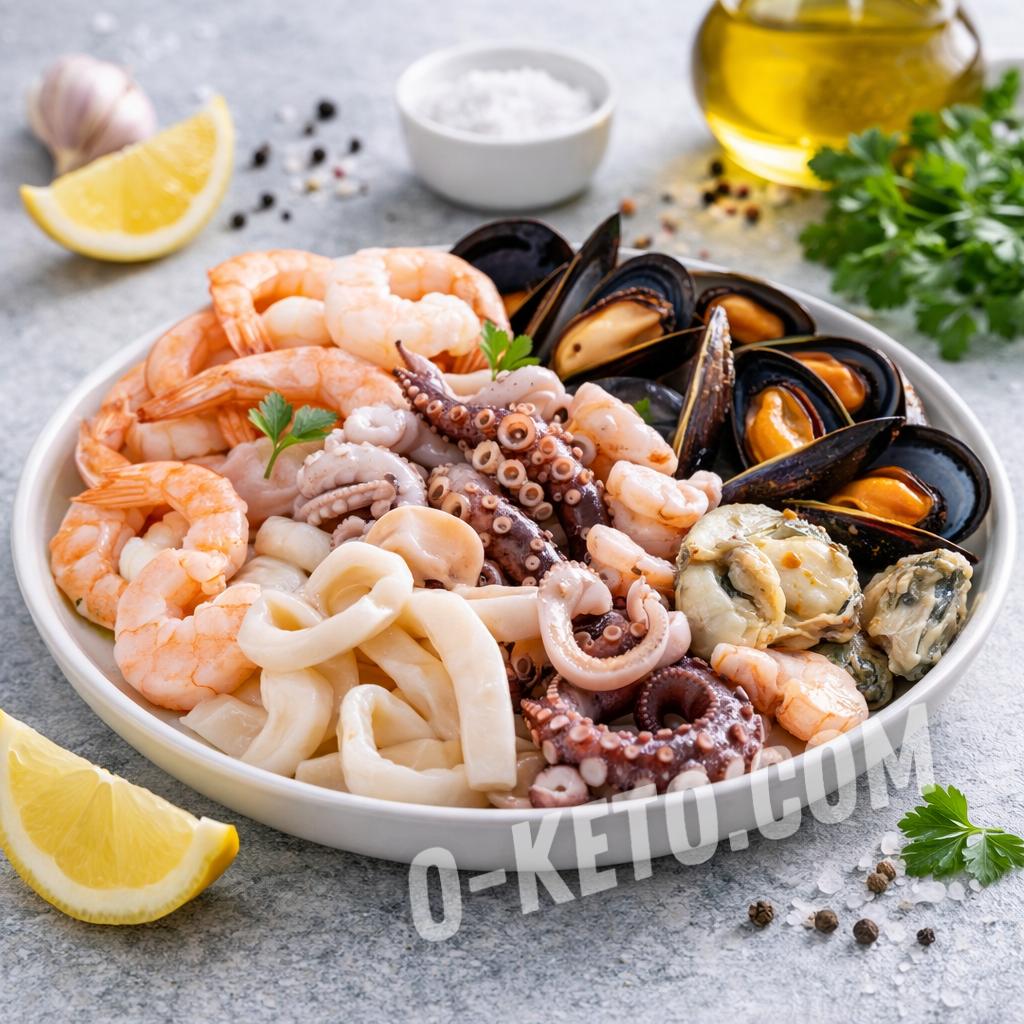

Seafood cocktail is a mix of different seafood in one package: it usually includes shrimp, mussels, squid, octopus, and sometimes scallops. The format is convenient, but due to the diversity of the ingredients, it often yields mediocre results. Different types require different cooking times and temperatures, which is impossible to account for in a mix.
Why seafood cocktail often disappoints
There are often many complaints about the composition of seafood cocktail:
- different types of seafood require different cooking times;
- the mix may contain pre-cooked mussels or shrimp along with raw squid;
- cut pieces lose more moisture during thawing;
- the small fraction increases the amount of ice glaze;
- when frying without thawing, the products essentially stew in their own water;
- the mix spoils faster than whole seafood separately.
Additionally, manufacturers may include products with less attractive appearance or tougher varieties of squid.
Furthermore, the price of the cocktail often does not reflect the real value of its composition.
The best approach is an alternative to the mix. The most rational option is to buy seafood separately. This approach allows:
- to control the quality of each ingredient;
- to cook them in different ways;
- to combine in the desired proportions;
- to avoid overpaying for cheap components.
For example, in a soup, mussels are cooked first until they open, then shrimp are added, and squid is placed at the very end so that it only heats up. This method allows achieving the right texture for each ingredient.
How to choose quality seafood cocktail
Study the composition:
- the fewer items, the easier it is to control the cooking;
- if shrimp are at the end of the list, their share is minimal;
- avoid mixes with excessive amounts of small-cut squid and octopus.
Pay attention to the glaze:
- the ice coating should be thin and transparent;
- large ice chunks inside the package indicate repeated freezing;
- excessive glaze means you are paying for water.
Prefer large fractions:
- whole or coarsely cut ingredients lose less moisture;
- small pieces become tough faster;
- whole seafood is easier to dry before frying.
How to cook seafood cocktail without “rubberiness”
How to thaw properly:
- transfer to the refrigerator for 6–10 hours;
- thaw in a colander to let excess moisture drain;
- be sure to dry with paper towels;
- do not thaw in hot water.
The drier the surface before cooking, the higher the chance of getting a fry instead of a stew.
Quick frying:
- heat the pan to high temperature;
- add a little oil;
- fry for 2–4 minutes, stirring constantly;
- salt at the end of cooking.
For pasta or risotto:
- fry the mix separately;
- add to the finished dish at the very end;
- do not boil again for more than 1–2 minutes.
For soups:
- add to almost finished broth;
- heat for no more than 2–3 minutes;
- avoid vigorous boiling.
Practical tips
- do not overload the dish with spices — the sea flavor should remain the main;
- use garlic, white wine, lemon juice for a light accent;
- do not cook the mix for more than 5 minutes in total;
- when reheating, do not bring to a boil.
Seafood cocktail can be a convenient solution for a quick dinner, but if the goal is an expressive flavor and the right texture, it is much more effective to work with each seafood separately and combine them only at the end of cooking.


