


Garlic: Benefits, Contraindications, and Consumption Tips from a Nutritionist
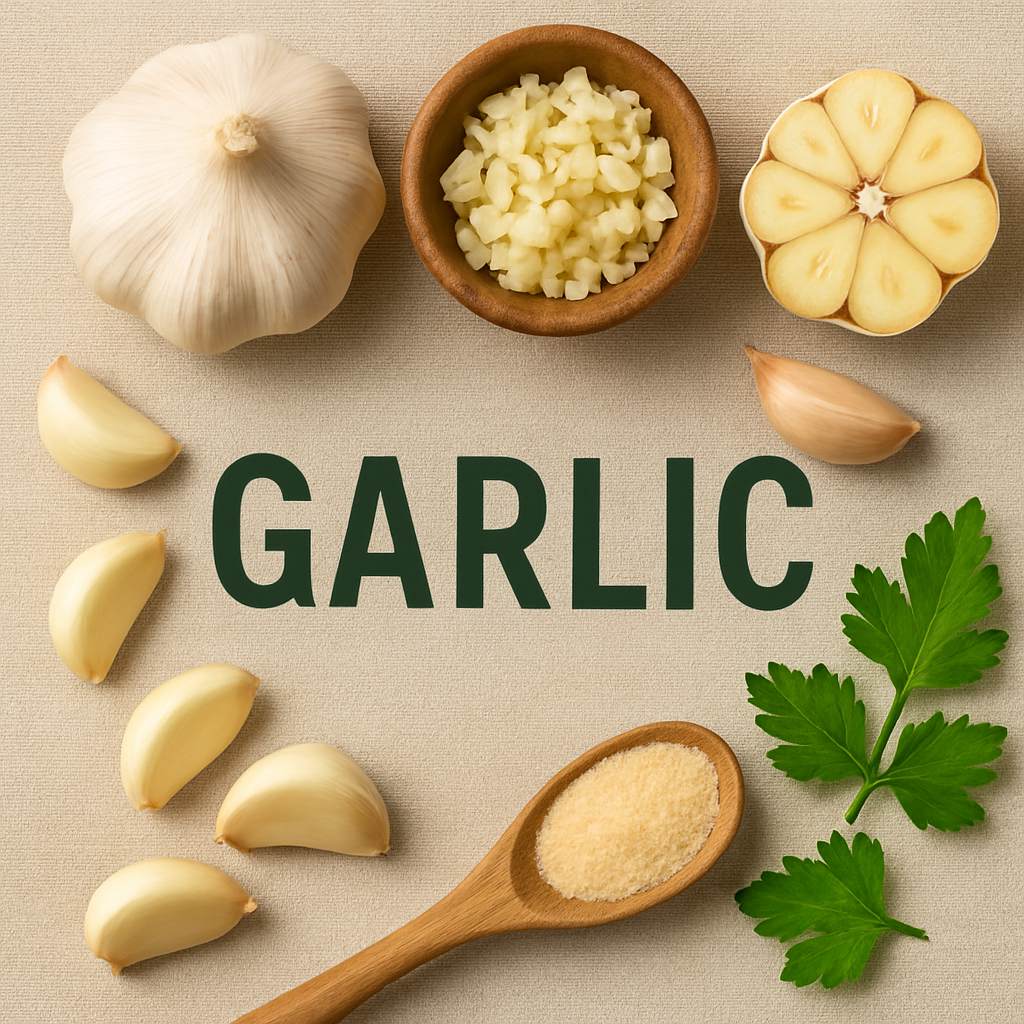

Nutritionist Yulia Popova revealed the main reasons to include garlic in the diet: antibacterial and antiviral properties, prevention of ARVI, lowering blood pressure, cholesterol, and the risk of thrombosis. The main contraindications are also listed — gastrointestinal diseases, liver diseases, taking anticoagulants, hypotension, epilepsy, allergies, pregnancy, and breastfeeding. The expert also provided recommendations for the proper consumption of garlic for maximum benefit.
More details
Video on the topic
The information in this material is obtained from open sources and has not been verified for accuracy and reliability by the website's authors.
What are the benefits of garlic and who should avoid it
Garlic is not just a fragrant seasoning for dishes, but a true treasure trove of biologically active substances. The main value of garlic is allicin, a volatile sulfur compound that forms when the cloves are cut or crushed, responsible for both the sharp smell and the main healing properties of the product[2][3][4].
Main health benefits of garlic
- Antibacterial and antiviral action: garlic is essential for the prevention of ARVI and combating viruses and bacteria[1][2][3].
- Lowering blood pressure: sulfur compounds help to gently reduce elevated blood pressure[1].
- Normalization of cholesterol: regular consumption contributes to improving the lipid profile of the blood[1].
- Blood thinning and prevention of thrombosis: garlic reduces the risk of blood clots[1].
- Prevention of premature aging and age-related diseases
- Support for immunity and liver function[1].
When garlic can be harmful
Like any potent remedy, garlic has its contraindications:
- During exacerbation of gastrointestinal diseases (gastritis, ulcers, pancreatitis, etc.)[1].
- In serious liver diseases[1].
- When taking anticoagulants (blood-thinning medications)[1].
- In hypotension (low blood pressure)[1].
- In epilepsy[1].
- In case of allergies or individual intolerance[1].
- During pregnancy and breastfeeding[1].
How to properly eat garlic
For maximum benefit, nutritionist Yulia Popova recommends:
- Before consumption, leave fresh garlic crushed at room temperature for 5–10 minutes — this will increase the amount of allicin[1].
- It is better to eat garlic raw, starting with half or a whole clove per day[1].
- To maintain health, 1–2 cloves daily is sufficient[1].
Garlic is a valuable product for the prevention of many diseases; however, as the expert emphasizes, it is important to consider individual characteristics of the body and the presence of contraindications[1][2][4].
Any remaining questions? Ask chatGPT.:
Ask a question