


Epilepsy
Epilepsy is a condition of increased tendency toward recurrent seizures caused by abnormal synchronous electrical brain activity, so it is important to understand not only the seizure itself but also its type, cause, triggers and safety implications.




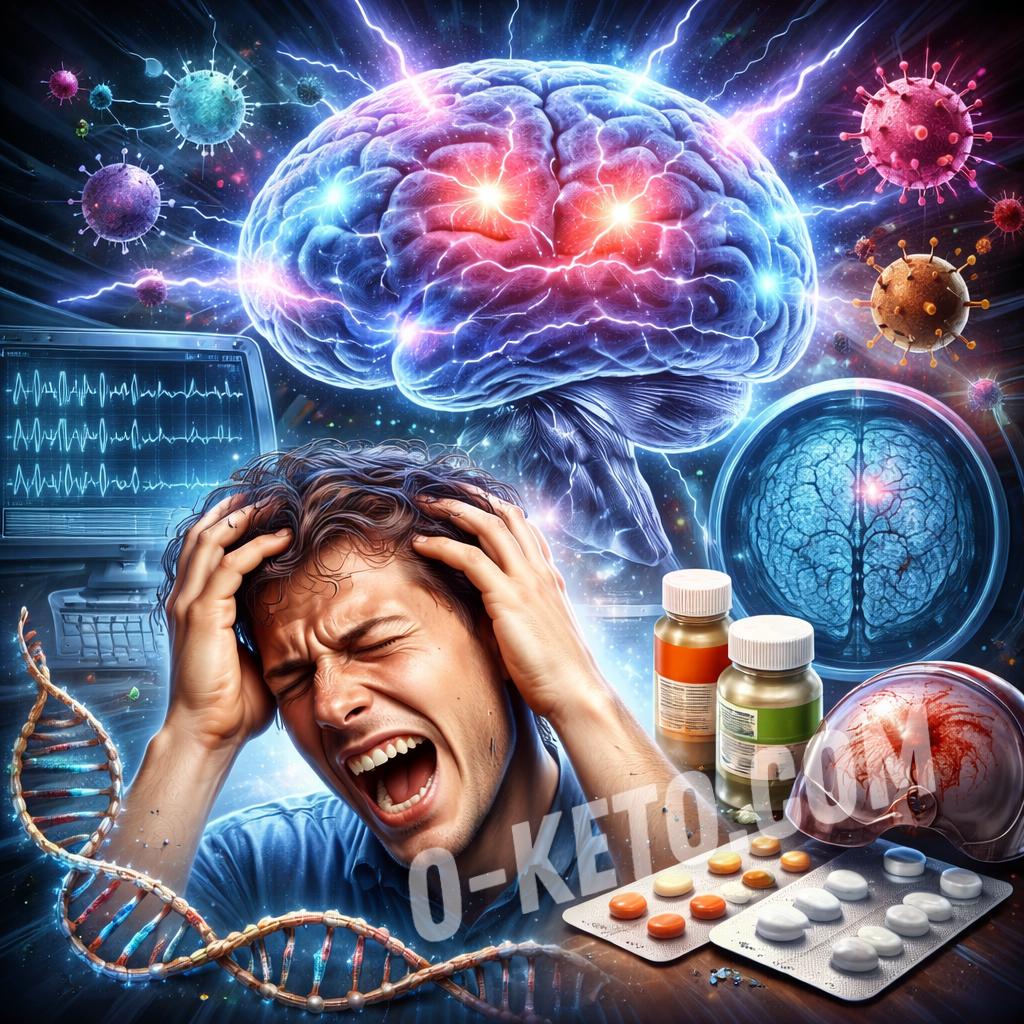
Epilepsy is a condition in which the brain is prone to recurrent seizures because of abnormal synchronous electrical activity in neural networks. It is important to separate this from a single convulsive episode caused by high fever, intoxication, trauma or an acute metabolic disruption: epilepsy is not any seizure whatsoever, but a state of repeated seizure susceptibility. The practical significance of the term lies not only in treatment, but also in safety, sleep, driving, daily routine and long-term neurological follow-up.
Why seizures occur
The causes of epilepsy are diverse: structural brain changes, consequences of trauma or stroke, genetic variants, previous infections, tumors, scarring and in some cases more subtle disturbances of neuronal excitability. In some people seizures are tied to a focal source, while in others the pattern is more generalized. That is why the key issue is not only the fact that a seizure happened, but the seizure type, age of onset, EEG findings, MRI data and overall clinical background. Without that, the word “epilepsy” remains too broad to be practically useful.
The same outward seizure can represent different underlying mechanisms and different long-term implications in different people.
How it may present
Seizures do not always look like classic generalized convulsions. They may appear as brief blank spells, odd sensations, motor automatisms, staring, involuntary movements, episodes of impaired awareness, aura phenomena or fully convulsive attacks with loss of consciousness. This is one reason some forms of epilepsy remain unrecognized for a long time: the person or family may not interpret brief recurring episodes as a neurological problem. The better the seizure phenotype is described, the more precisely the syndrome can be understood.
A careful description of the event often helps diagnosis almost as much as EEG abnormalities themselves.
What can lower the seizure threshold
In some people seizures become more frequent with sleep deprivation, alcohol, missed medication, flashing light, stress, infection, abrupt metabolic shifts or hormonal fluctuations. This does not mean epilepsy is “caused by stress,” but these factors can reduce seizure threshold. That is why sleep routine, safety and medication adherence are not vague lifestyle advice, but part of real seizure control. It is risky to think that “nothing has happened for a long time, so my routine no longer matters.”
The more clearly a person understands their own triggers, the better they can build a life around meaningful risk reduction.
Diet and metabolic context
Diet is discussed in epilepsy for good reason: in some patients, especially children and certain seizure syndromes, ketogenic approaches can form part of treatment. But that does not mean every epilepsy case should automatically be “treated with keto.” The practical relevance of diet depends on the seizure type, age, treatment plan and tolerance. An adult should not turn a popular idea into a substitute for neurological strategy without clear clinical indication. Nutrition can be a tool here, but not a universal dogma.
It is important to separate clinically guided ketogenic therapy from the simplistic myth that fat by itself automatically suppresses seizures.
When closer review is needed
Closer review is needed with recurrent episodes of impaired awareness, convulsions, auras, injuries during events, nocturnal episodes, worsening with sleep loss, or an existing diagnosis that is being handled too casually in daily life. The most sensible way to think about epilepsy is as a neurological disorder with risk of recurrent seizures in which the exact type, cause, treatment, triggers and daily safety measures all matter.
Common mistakes in epilepsy
A common mistake is to judge the condition only by whether a major convulsive seizure happened recently. Safety also depends on small episodes, auras, sleep quality, triggers and medication adherence. Epilepsy becomes more manageable when a person sees it as a risk system rather than only as a rare dramatic event.
If you have any questions about the term "Epilepsy", you can ask them to AI. Please note, a low-cost OpenAI model is used. It may answer questions about disease treatment with errors!


 1 / 4
1 / 4


 1 / 4
1 / 4

 1 / 4
1 / 4
 1 / 4
1 / 4