


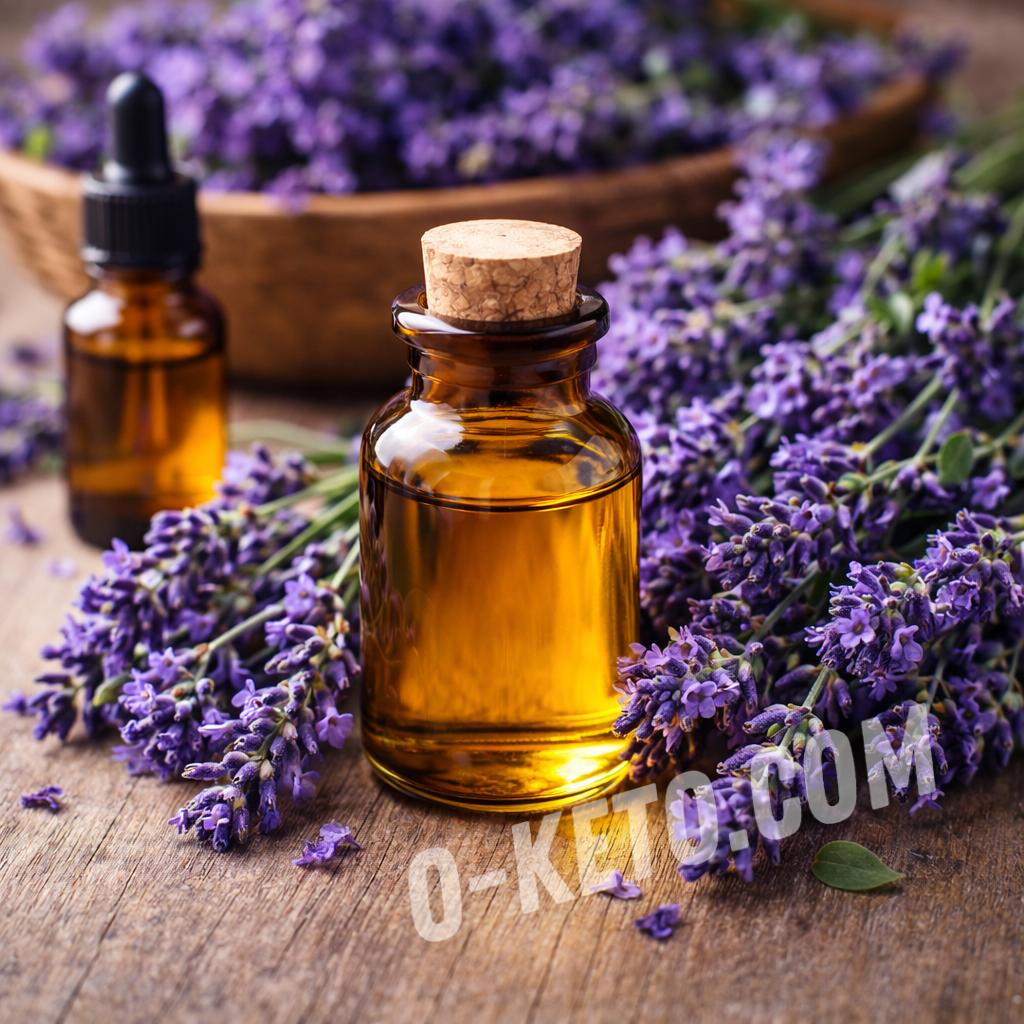

The essential oil of true lavender is obtained from the flowering tops of the plant Lavandula angustifolia. It has a soft, floral, slightly herbaceous aroma and is considered one of the most versatile essential oils.
Lavender is used to support the nervous system, improve sleep, care for the skin, and promote overall recovery of the body.
Due to its good tolerance and balanced composition, lavender oil is suitable for regular use in aromatherapy and cosmetology.
History and Origin
True lavender has been known to humanity for thousands of years. The first mentions of its use date back to Ancient Egypt, where the plant was used in rituals, embalming, and aromatic mixtures. In ancient Greece and Rome, lavender was valued for its cleansing and calming properties; it was added to baths and used to scent rooms.
In the Middle Ages, lavender became an important plant in European phytotherapy. It was grown in monastery gardens and used for nervous disorders, insomnia, skin problems, and infections.
From the 16th to 17th centuries, lavender gained widespread popularity in perfumery, especially in France, where traditions of industrial cultivation of the plant developed.
Today, true lavender is cultivated in Mediterranean countries, France, Bulgaria, Italy, Spain, and Australia. The essential oil is obtained through steam distillation, which preserves the full spectrum of volatile biologically active compounds.
Composition and Physiological Properties
The essential oil of lavender is characterized by a high content of esters and alcohols, which determines its gentle and balanced action. The main components are responsible for its sedative, anti-inflammatory, and antiseptic effects.
The oil has a pronounced effect on the central and autonomic nervous systems, promotes relaxation, reduces anxiety, and normalizes sleep. Additionally, it supports skin regeneration and has antimicrobial properties.
Main Effects of Lavender Essential Oil
- reduction of stress and nervous tension;
- improvement of sleep quality and depth;
- antiseptic and anti-inflammatory action;
- support for skin regeneration;
- gentle antispasmodic effect.
Use in Aromatherapy
In aromatherapy, lavender essential oil is considered a base oil. It is used to create a calm and harmonious atmosphere, reduce emotional tension, and recover from mental and physical exertion.
Lavender is well-suited for diffusers, individual inhalations, and evening relaxation rituals. The oil is often used before sleep to improve falling asleep and reduce nighttime anxiety. It blends well with bergamot, marjoram, sandalwood, sweet orange, and chamomile.
Use in Skin and Body Care
Lavender essential oil is widely used in cosmetology due to its good tolerance. It is suitable for most skin types, including sensitive and problematic skin. The oil helps reduce inflammation, supports healing processes, and improves the overall condition of the skin.
In body practices, lavender is used in massage blends for muscle relaxation, relieving spasms, and recovery after physical exertion.
The oil must be diluted in a carrier oil before application.
Main Areas of Application in Cosmetology
- care for sensitive and irritated skin;
- support for skin recovery from minor injuries;
- care for skin prone to inflammation;
- massage and body care.
Additional Properties and Household Use
Lavender essential oil has a mild repellent effect and can be used to repel insects. Its aroma also helps purify the air and create a sense of freshness in the room.
In everyday life, the oil is used for scenting laundry, rooms, and home care products. Due to its stability and mild aroma, lavender is well-suited for regular use.
Precautions
Lavender essential oil is among the safest; however, it is recommended to dilute it before external use and perform a test for individual sensitivity. During pregnancy and in the presence of chronic conditions, use should be coordinated with a specialist.
True lavender essential oil is a universal natural remedy with a wide range of effects. When used correctly, it supports emotional balance, skin health, and overall well-being, remaining one of the key oils in aromatherapy and natural care.


