


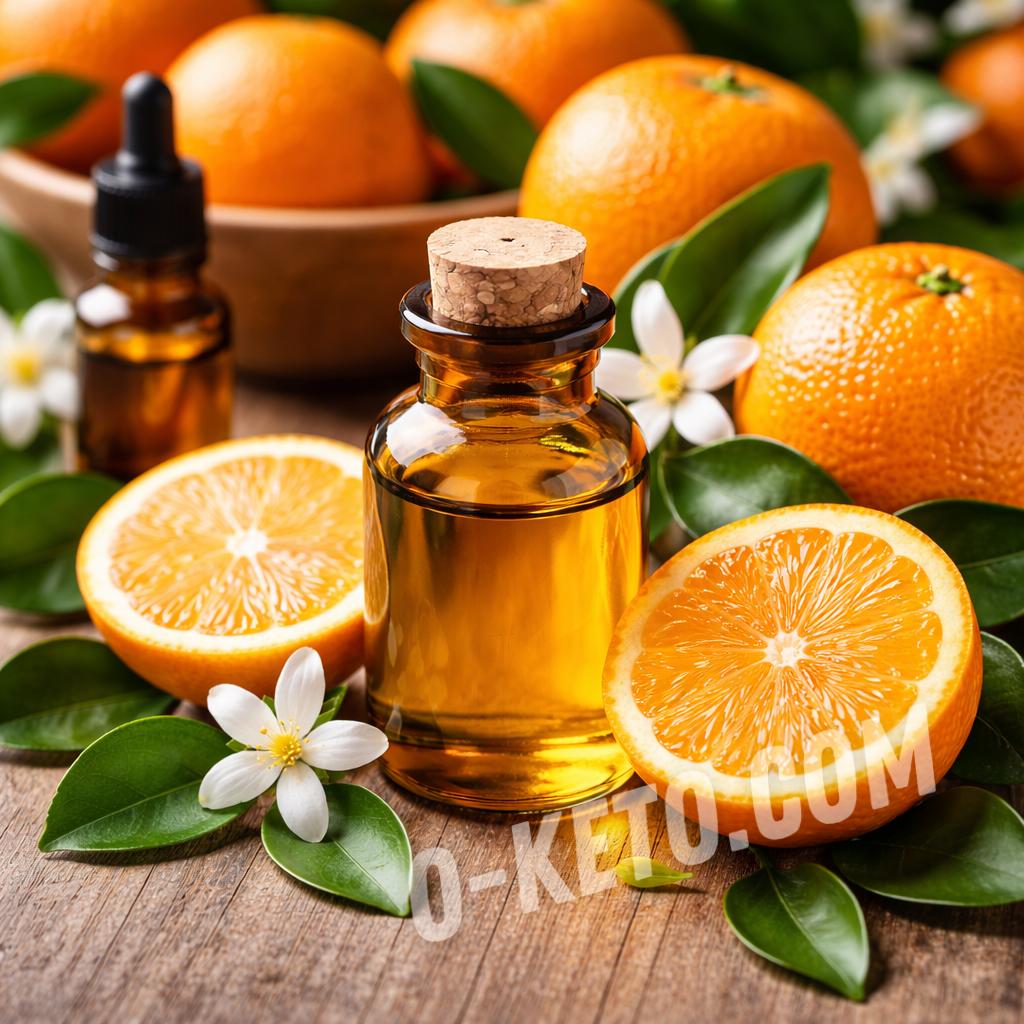

Mandarin essential oil is obtained from the peel of Citrus reticulata fruits. It is characterized by a soft, sweet, and warm citrus aroma and is considered one of the most versatile and safe essential oils.
The oil is widely used to support the nervous system, improve emotional well-being, and care for the skin.
Due to its gentle action, it is often used in everyday practice, including aromatherapy, cosmetology, and home care.
History and Origin
The mandarin is one of the oldest cultivated citrus plants. Its homeland is believed to be southern China, where it was known over three thousand years ago. The fruits of the mandarin symbolized prosperity and abundance, while the peel was used in traditional medicine to support digestion and the nervous system.
Through trade routes, the mandarin spread to Japan, India, Mediterranean countries, and further into Europe.
In the 19th century, the plant began to be actively cultivated in Italy and Spain. During this period, mandarin essential oil started to be used in aromatic compositions and natural healing practices.
Today, essential oil is obtained by cold pressing the fruit peel, which helps preserve the volatile compounds and natural aroma. The main production regions remain Italy, Spain, Brazil, and the USA.
Composition and Physiological Properties
Mandarin essential oil has a relatively simple yet functionally rich composition. The main share consists of monoterpenes, which determine both the aromatic and biological properties of the oil. Because of this, the oil acts gently and is well tolerated by most people.
Mandarin oil is known for its regulating effect on the nervous system. It promotes relaxation, reduces emotional tension, and supports a calm mood. Additionally, the oil exhibits mild antiseptic and anti-inflammatory properties.
Main Effects of Mandarin Essential Oil
- reduction of stress and emotional tension;
- support for calm sleep and relaxation;
- gentle antiseptic action;
- support for digestive processes;
- improvement of overall tone and mood.
Use in Aromatherapy
In aromatherapy, mandarin essential oil is used to create a comfortable and relaxing atmosphere. Its aroma helps reduce anxiety levels, relieve mental strain, and restore emotional balance. The oil is well-suited for evening use and relaxation practices.
Most often, the oil is used in diffusers, individual inhalations, and aromatic blends. Due to its gentle profile, it is frequently used in children’s and family aromatic compositions.
Use in Skin Care
In cosmetology, mandarin essential oil is valued for its ability to support skin tone and improve its appearance. It is used in products for oily and combination skin, as well as in care for uneven skin tone.
The oil promotes gentle cleansing, maintains the balance of sebum, and improves the visual texture of the skin. It is often included in creams, masks, and massage blends for the body.
Main Areas of Application in Cosmetology
- support for even skin tone;
- cleansing and care for problematic skin;
- improvement of skin elasticity and softness;
- body care in massage blends.
Precautions and Recommendations
Mandarin essential oil is phototoxic, so after applying it to the skin, direct sunlight should be avoided for several hours.
The oil is not recommended to be used undiluted.
Before the first use, a skin test for individual sensitivity should be conducted.
During pregnancy and in the presence of chronic conditions, the use of essential oil should be coordinated with a specialist.


