


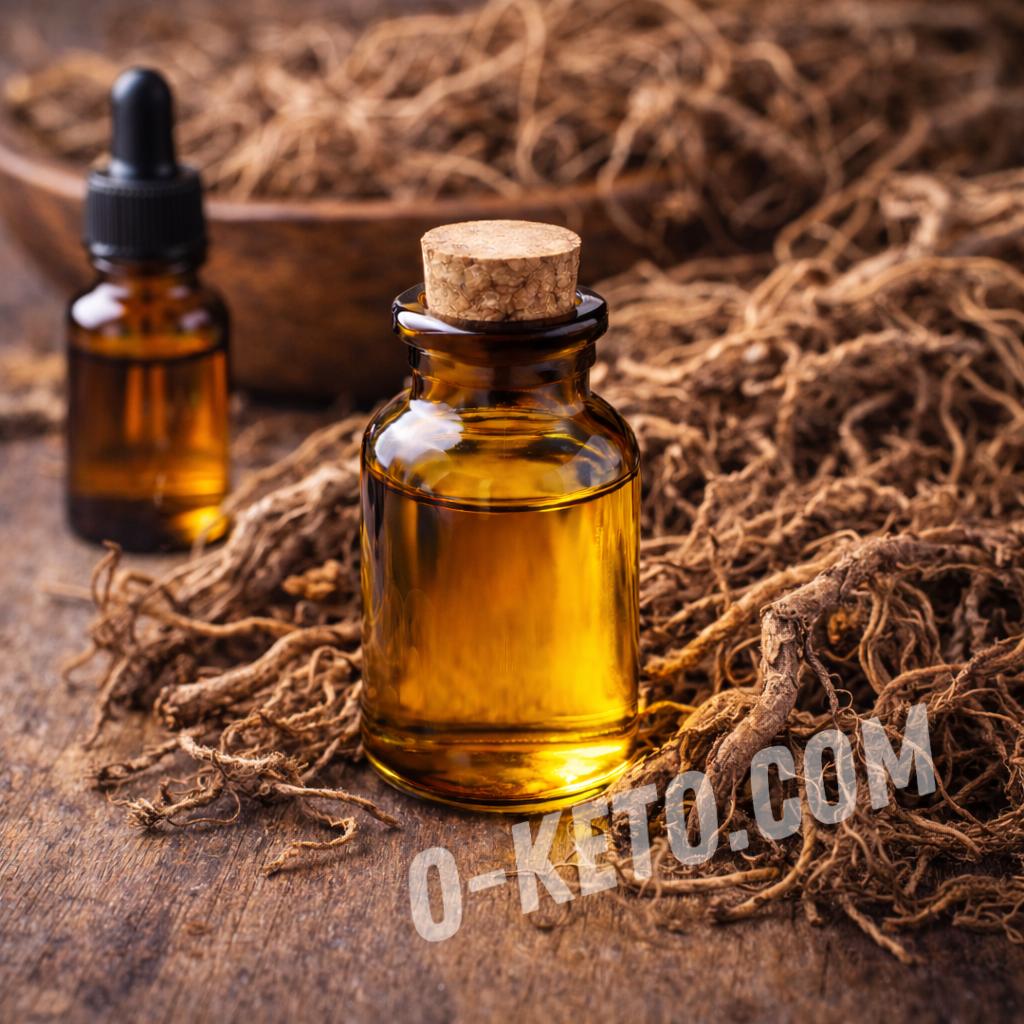

Spikenard essential oil is obtained from the roots and rhizomes of Nardostachys jatamansi, a plant from the mountainous Himalayan region. It has a dense, warm, earthy, woody-balsamic aroma with musky depth. It is not a culinary product and not a dietary supplement: spikenard is used in aromatic blends, natural perfumery, massage oils, evening care rituals and compositions for a quiet atmosphere.
Spikenard is a rare and expensive aromatic material. Its scent is not like light floral or citrus oils: it is dense, slow and earthy, sometimes with leathery, root-like and spicy nuances. For that reason the oil is often chosen not for freshness, but for depth, fixation and the feeling of a warm base in a blend.
Aroma and Origin
Nardostachys jatamansi grows at high altitude, and the underground part of the plant is used as raw material. This explains the price, intensity and the need to choose the supplier carefully. The product may be sold as nard, spikenard or jatamansi oil; the label should preferably show the Latin name, plant part and country of origin.
Historically, spikenard was used in incense, oil compositions and ritual aromas. These cultural associations help explain the profile of the oil, but they do not make it a medicine. In current practice, spikenard is valued mainly as an expressive aromatic component with long-lasting character.
How to Use It
Because the scent is dense, spikenard is usually added by the drop, not in large shares. In a diffuser it can feel heavy, so it is better mixed with clearer oils and used in short sessions. In oil blends it must be diluted in a carrier oil: jojoba, almond, grapeseed, squalane or another suitable carrier.
Practical uses include:
- 1 drop in an evening aromatic blend with lavender or cedarwood;
- a low concentration in massage oil for shoulders, neck or feet;
- a small amount in natural oil perfume as a deep base;
- an addition to balsamic and woody compositions;
- scenting a personal roller when carefully diluted.
Pairings
Spikenard blends well with lavender, Roman chamomile, cedarwood, sandalwood, vetiver, frankincense, myrrh, patchouli, ylang-ylang, neroli, bergamot and sweet orange. With floral oils it gives depth, with woods it creates a warm dry base, and with citrus it gives contrast between a fresh top and a heavier base.
If the aroma feels too cellar-like or dense, adding more is not the answer. It is better to add a brighter top note: bergamot, orange, lavender or a little conifer oil. In perfume, spikenard can work as a fixative, but in excess it easily covers the whole composition.
For Skin and Massage
On skin, spikenard essential oil is used only diluted. For the face, choose an especially low concentration and check tolerance first. For the body, richer blends may be acceptable, but still within careful aromatic dosing. Spikenard should not burn, cause lasting redness or leave irritation.
In massage blends it is used for scent and for the overall impression of a warm, slow composition. It suits dense evening formulas, foot balms and after-shower oils. If neutral care without a vivid scent is needed, jojoba, squalane or almond oil without essential oils is a better choice.
Quality and Choice
Natural spikenard often has a dark color and viscous texture. A very cheap oil, unclear label, missing Latin name or odd perfume-like smell may suggest dilution or substitution. With expensive oils, batch information, shelf date and producer reputation matter especially.
The scent of spikenard is persistent, so before buying a large bottle it is better to try a sample. Not everyone likes its rooty, earthy character. For home use, a small bottle usually lasts a long time because a blend needs only one or a few drops.
Safety
Spikenard oil should not be taken internally and should not be applied undiluted. Before first use, test it on a small skin area. During pregnancy, breastfeeding, for children, with chronic conditions, a tendency to low blood pressure or regular medication, aromatic concentrates should be discussed with a qualified professional.
Do not use spikenard close to small children, animals or people who get headaches or nausea from heavy scents. After skin application, keep the blend away from eyes and mucous membranes. Store the oil tightly closed, in a dark cool place, separate from food products.


