


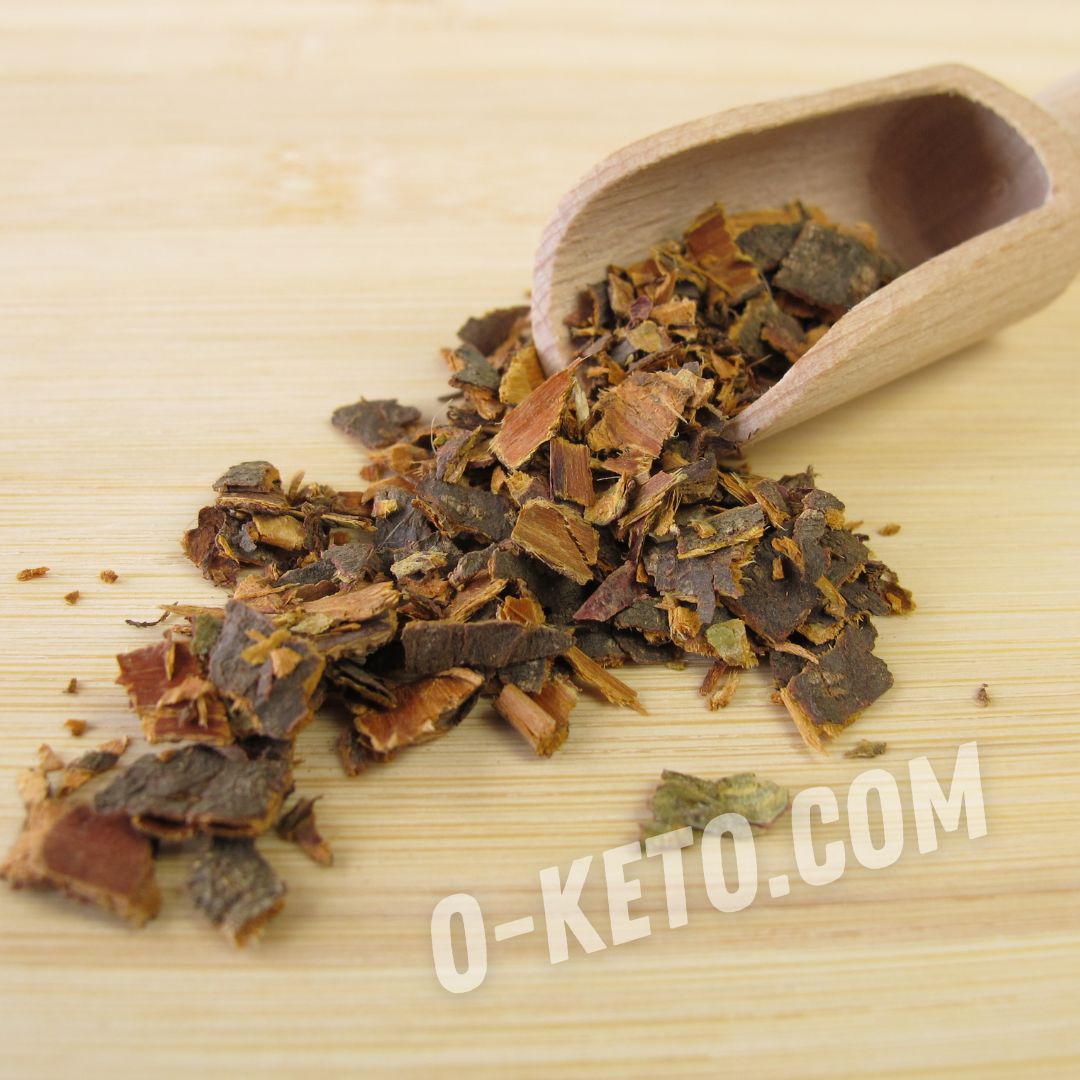

Buckthorn bark is the dried bark of Frangula alnus or related species, used not as an ordinary food product but as plant material with a pronounced effect on the intestine. It is most often found in herbal blends, tea bags, extracts, and pharmacy forms. It is almost never used in cooking: the taste is bitter, the purpose is specific, and dosing requires caution.
The main substances in buckthorn bark are anthraquinone glycosides. They do not act immediately after a cup of infusion: the effect is usually connected with transformations in the intestine and may appear several hours later. Therefore buckthorn bark should not be treated as a mild tea for daily drinking. It is material for short and deliberate use when truly appropriate.
What to know
Buckthorn bark is usually aged after harvesting or specially processed. Fresh bark may be more irritating, so home harvesting without experience is a poor idea. A finished product should have clear origin, date, instructions, and a statement of which plant part was used.
It may also contain tannins, flavonoids, and organic acids, but the anthracene group matters most in practice. Both the expected effect and limitations are connected with it. The more concentrated the extract, the more carefully the dose should be treated.
Is it suitable for keto?
Buckthorn bark has almost no effect on carbohydrates if used as an unsweetened infusion. But for keto and LCHF, it is not a food product and not a way to improve the diet. If a ready blend contains sweet fillers, syrups, dried fruit, or a flavored mixture, the whole composition must be checked.
On low-carb eating, stool issues are more often addressed with food and routine: enough fluid, salt, low-starch vegetables, seeds, psyllium, magnesium if tolerated, and a normal amount of fat. Buckthorn bark should not become a daily replacement for these basics.
If discomfort appeared after a sharp reduction in carbohydrates, first check simple causes: whether vegetables became too rare, water and salt dropped, or cheese and dry protein foods became too dominant. Plant material with a pronounced action is better left for a specific situation, not added automatically.
How it is used
Forms vary: crushed bark, tea bags, dry extract, liquid extract, tablets, or blends with other herbs. Preparation method and amount depend on the form, so it is safer to follow the instructions for the specific product rather than a universal internet recipe. It is better to start with the minimum dose.
Because the action is delayed, the intake should not be repeated too quickly. A common mistake is to feel nothing, take more, and later get an excessive response. Several products with similar action should not be combined without professional guidance.
The infusion usually tastes bitter and woody, so people sometimes try to mask it with honey or sweet syrups. For a low-carb diet, that is a poor idea: if the product is used at all, it is better left unsweetened and not turned into a dessert drink.
Limitations
Buckthorn bark is not suitable during pregnancy, breastfeeding, intestinal obstruction, acute abdominal pain of unclear cause, inflammatory intestinal conditions, pronounced dehydration, or individual reaction. Children should receive such products only as directed by a doctor. With chronic bowel problems, self-directed courses may hide the cause.
Cramping, diarrhea, fluid and electrolyte loss, nausea, and discomfort are possible. Long or frequent use is undesirable: the intestine may become used to stimulation, and the risk of electrolyte imbalance grows. Special caution is needed with diuretics, heart drugs, potassium-affecting products, and other medicines.
How to choose
Choose pharmacy or food-grade plant material with plant name, plant part, expiry date, and instructions. Do not buy bark of unknown origin loose if the plant species and processing are not certain. In blends, check neighboring components: senna, aloe, rhubarb, and other plants may intensify the action.
How to store it
Keep dry bark in a closed container, in a dark dry place, separate from aromatic spices and household chemicals. Moisture spoils the material and may lead to mold. Ready extracts are stored according to the producer’s instructions, especially after opening.
What can replace it?
If the task is dietary fiber, psyllium, chia seeds, flax, greens, and low-starch vegetables are usually considered first. If this is a medical problem, a replacement should be chosen by a doctor. Buckthorn bark is not an equivalent of ordinary tea, spices, or berries.


