


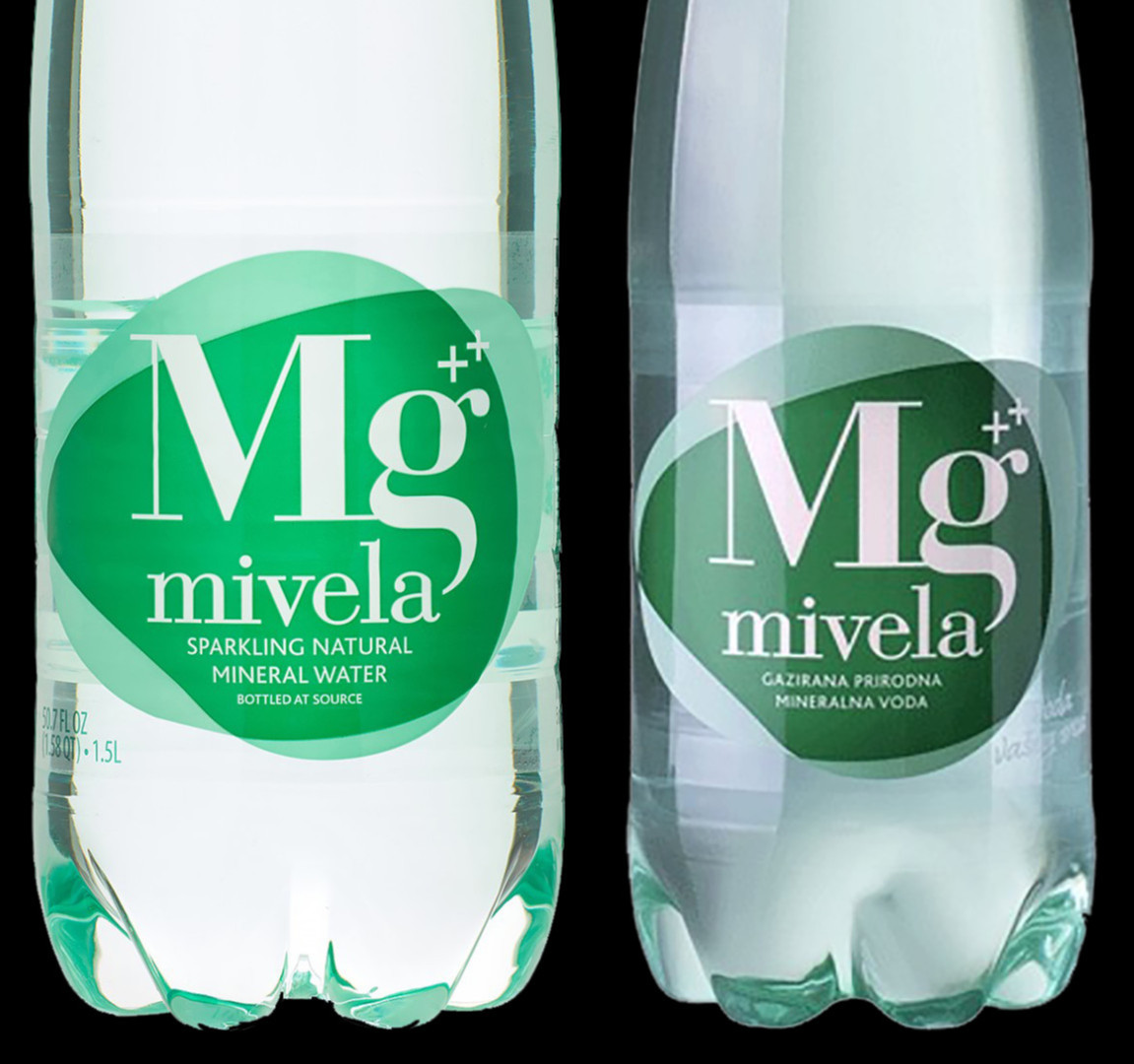

Magnesium water is mineral water in which magnesium makes up a noticeable part of the mineral profile. It may be naturally mineralized or enriched, sparkling or still, everyday table water or a more mineral-dense product according to the producer’s label. For nutrition, the important part is not the front-label promise but the actual numbers: magnesium, sodium, calcium, bicarbonates, and total mineralization per liter.
In keto and LCHF, magnesium water is interesting because people on low-carb diets often pay more attention to electrolytes. That does not make every bottle a universal solution. Mineral water is still a drink with a specific composition, taste, and limits. Choose it for a clear purpose: everyday drinking, replacing sweet drinks, adding a mineral taste to meals, or carefully adding some magnesium to the diet.
Nutritional value
Plain magnesium water usually has almost no calories, protein, fat, or carbohydrates, as long as it contains no sugar, juice, syrup, or flavored additions. For keto, that is convenient because it does not take up the carbohydrate limit. The mineral profile can vary greatly: one water may taste mild and contain little magnesium, while another may be distinctly salty or bitter.
Magnesium is involved in muscle function, the nervous system, and energy use, but the amount in a serving should be read from the label. Water with 50 mg per liter is one thing; water with 300-500 mg or more is another. Some mineral waters are high in sodium, so they may not be the best daily choice for people advised to restrict salt.
Place in keto and LCHF
Unsweetened magnesium water usually fits keto because it contains no carbohydrates. It can replace lemonade, juice, sweet tea, or energy drinks when you want a more noticeable taste than plain water. Sparkling versions can also help if you miss bubbles but do not want sweet soda.
The key check is the ingredient list. Water with magnesium and minerals fits; a “flavored” drink may contain sugar, fruit concentrate, or sweeteners. Sweeteners are not always a keto problem, but for some people they increase sweet cravings or cause discomfort. For daily use, plain mineral water is usually simpler.
How to drink
If the water is strongly mineralized, you do not have to drink it by the liter. Start with one glass and assess taste, tolerance, and digestion. Magnesium in higher amounts can loosen stools, especially when the water is rich in sulfates. This should not become self-treatment; persistent bowel issues deserve proper attention rather than simply increasing mineral water.
Magnesium water works well with rich fatty meals, meat, fish, cheese, eggs, salads, and nuts. Bitter or salty varieties are usually better chilled. If the taste is too strong, alternate it with regular water instead of forcing yourself to drink only one type.
How to choose
Look at the mineral table, not just the name. Useful lines include magnesium, sodium, calcium, potassium, bicarbonates, sulfates, chlorides, and total mineralization. For everyday drinking, moderate mineralization and a taste you actually like are usually easier. Very mineral-dense waters are better used deliberately and not as the only source of fluids.
If the product is labeled as medicinal table water or medicinal water, follow the label guidance and do not use it casually every day. With kidney problems, salt restriction, pregnancy, magnesium supplements, or laxative use, regular intake should be discussed with a clinician.
Storage
Store unopened bottles according to the producer’s instructions, usually away from sun and heat. Keep opened water in the refrigerator and drink it within the next few days. Sparkling water loses gas after opening, and water in a large open bottle can pick up odors from nearby food.
Substitutes
If you need a carbohydrate-free drink, use plain water, table mineral water, unsweetened sparkling water, or water with lemon. If the goal is magnesium, food sources include pumpkin seeds, almonds, spinach, unsweetened cocoa, and some seafood, but they must be counted for calories and carbohydrates. Magnesium supplements are a separate topic and are not the same as mineral water.


