


Aorta
The body’s main artery carries blood from the heart to the chest, abdomen, and legs; blood pressure, smoking, family history, valve anatomy, and timely imaging are especially important for aortic health.
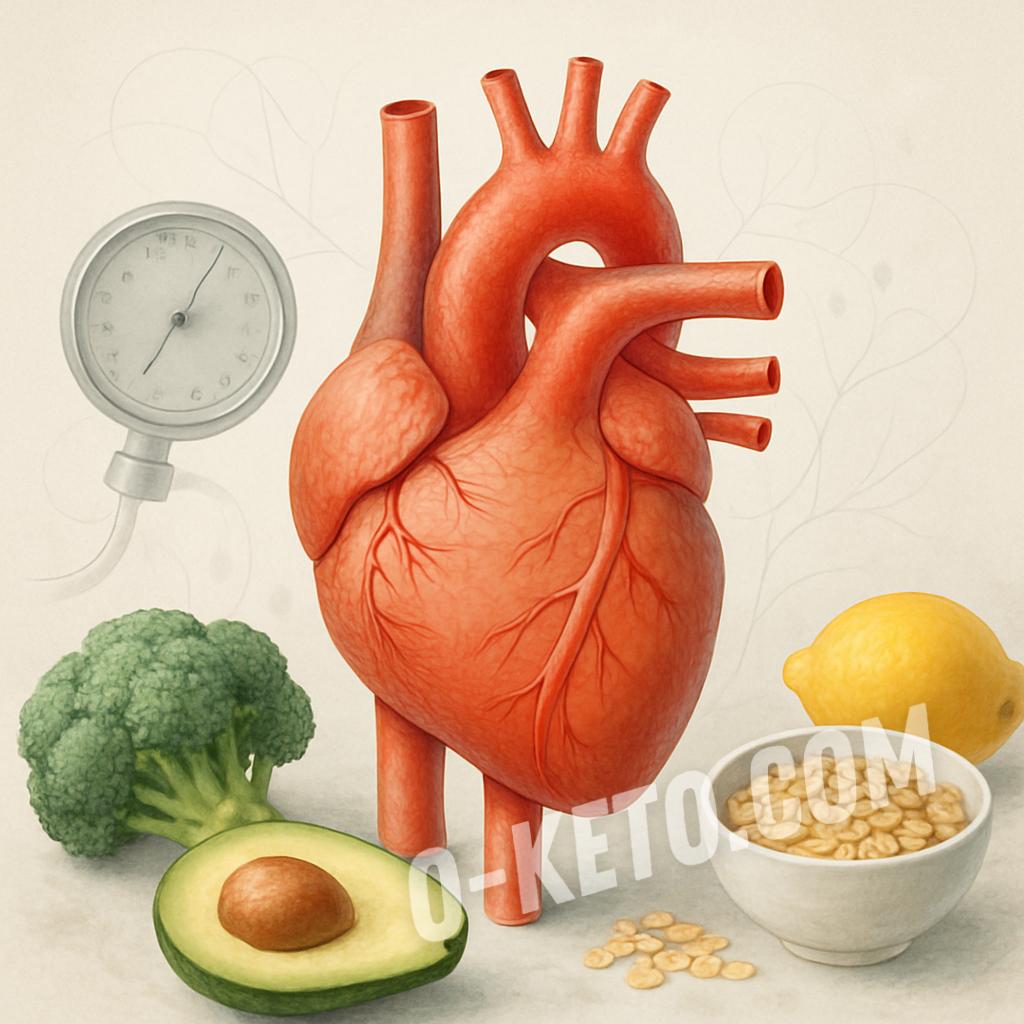
The aorta is the largest artery in the body. It leaves the left ventricle of the heart, rises upward, forms the aortic arch, passes through the chest and abdomen, and then divides into the iliac arteries that supply the lower body. A large volume of blood moves through the aorta every minute under high pressure, so its wall must be strong, elastic, and able to absorb the pulse wave generated by the heart.
The structure of the aorta explains why its diseases can be dangerous. It is not just a pipe. The aortic wall contains elastic fibers, smooth muscle, connective tissue, and an inner endothelial layer. If the wall weakens, expands, or tears, the consequences may be serious. An aortic aneurysm can grow for years without symptoms, while dissection or rupture requires emergency care. For this reason, the aorta cannot be judged by how a person feels. Someone may feel normal while the vessel already needs monitoring.
Parts of the aorta
The ascending aorta begins just after the aortic valve. It is often assessed by echocardiography, especially when there is a bicuspid aortic valve, a murmur, family history of aneurysm, or enlargement of the aortic root. The aortic arch gives branches to the head and arms. The descending thoracic aorta runs through the chest, and the abdominal aorta supplies abdominal organs before dividing toward the legs. Different segments have different risks, imaging methods, and surgical approaches.
Aortic size is evaluated by imaging, not by symptoms. Echocardiography, ultrasound, CT, and MRI may be used depending on the segment. Clinicians look at diameter, growth rate, family history, genetic syndromes, bicuspid valve, blood pressure, and other diseases. The same measurement may mean different things for a large man, a small woman, a person with Marfan syndrome, or an older patient with atherosclerosis. Interpreting centimeters from a report without context can create either unnecessary fear or false reassurance.
What harms the aorta
High blood pressure, smoking, age, atherosclerosis, inflammatory diseases, trauma, infections, and inherited connective tissue disorders can all affect the aorta. For the thoracic aorta, hypertension, bicuspid aortic valve, and genetic syndromes are especially important. For the abdominal aorta, smoking is a major risk factor, along with male sex, age, and family history. This does not mean every smoker will develop an aneurysm, but the risk is meaningfully higher.
Nutrition affects the aorta indirectly through blood pressure, lipids, body weight, glucose, inflammation, and the quality of the vascular wall. A low-carbohydrate diet may help some people reduce weight, glucose, and triglycerides, but it does not treat an aneurysm and does not replace blood pressure control. If the aorta is already enlarged, the central issues are follow-up with a cardiologist or vascular specialist, blood pressure management, not smoking, understanding safe exercise limits, and getting imaging at the recommended interval.
Symptoms and red flags
Many aortic aneurysms are found incidentally because they cause no symptoms. As an aneurysm enlarges, it may cause chest, back, or abdominal pain, a pulsating feeling in the abdomen, hoarseness, cough, or swallowing discomfort, but these signs are not specific. Sudden severe tearing pain in the chest, back, or abdomen, fainting, sudden weakness, stroke-like symptoms, cold sweat, or a drop in blood pressure require emergency medical care. This is not a situation for supplements, waiting, or assuming the pain is muscular.
Exercise deserves separate attention. Regular moderate activity is usually helpful for blood pressure and vascular health, but known aortic enlargement changes the discussion. Heavy straining with breath-holding can be risky for some people with aortic disease. The exact limits depend on aortic diameter, segment, growth rate, and diagnosis, so they should come from the treating clinician. The practical idea is simple: a healthy aorta benefits from stable blood pressure, no tobacco, and sensible movement; a diseased aorta needs measurements and follow-up rather than guesses.
If you have any questions about the term "Aorta", you can ask them to AI. Please note, a low-cost OpenAI model is used. It may answer questions about disease treatment with errors!


 1 / 4
1 / 4
 1 / 4
1 / 4 1 / 4
1 / 4 1 / 4
1 / 4 1 / 4
1 / 4
 1 / 4
1 / 4