


Ascorbate (vitamin C)
The ionized form of vitamin C and mineral salts of ascorbic acid are often gentler on the stomach, but ascorbate choice still requires attention to total dose, added minerals, and kidney stone risk in susceptible people.
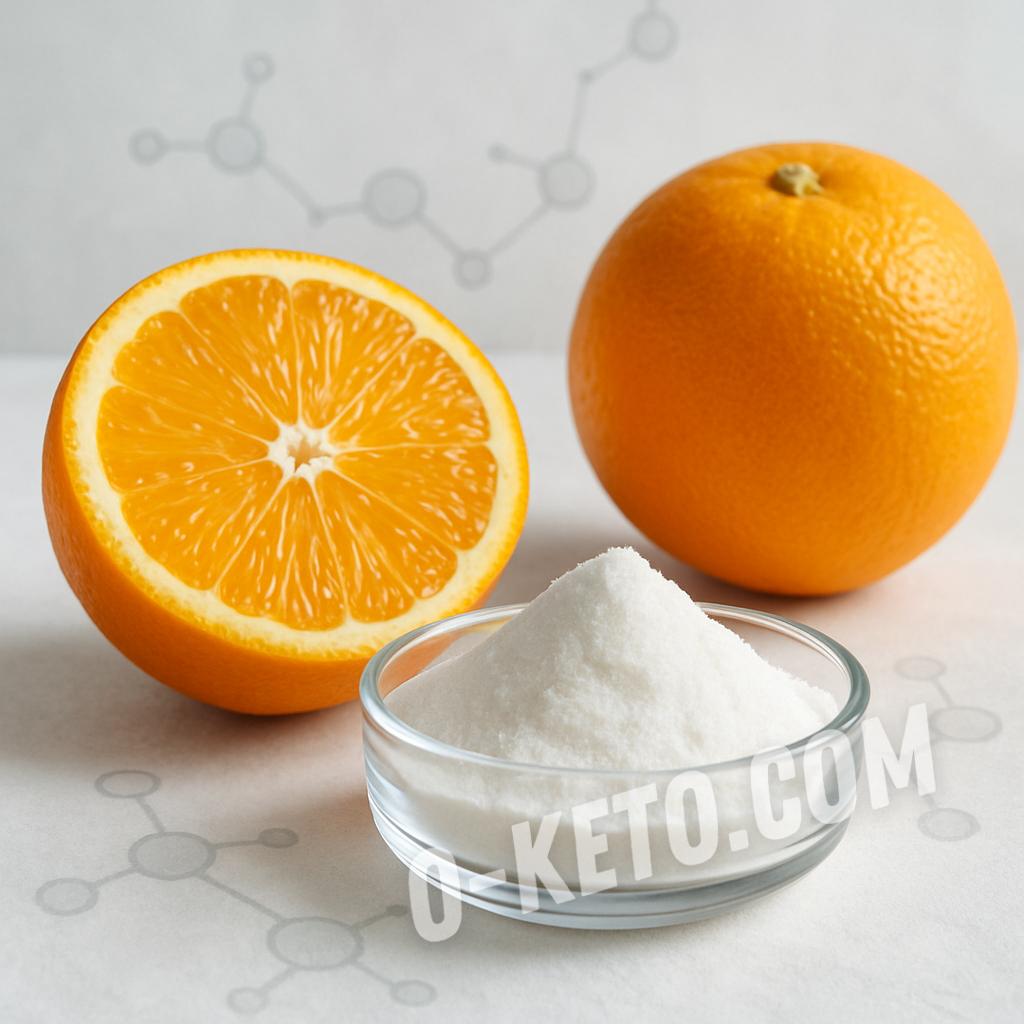
Ascorbate is the ionized form of ascorbic acid, the form vitamin C takes after losing a proton. In the body, vitamin C exists largely as ascorbate and participates in antioxidant reactions, collagen synthesis, catecholamine metabolism, carnitine metabolism, and absorption of non-heme iron. In supplements, the word ascorbate often refers to mineral salts of vitamin C, such as sodium ascorbate, calcium ascorbate, magnesium ascorbate, or mixed mineral ascorbates.
The main difference between ascorbates and plain ascorbic acid is acidity and the accompanying mineral. Ascorbic acid is acidic and can irritate the stomach in some people, especially in larger doses on an empty stomach. Mineral ascorbates are usually less acidic and may be easier to tolerate. That does not make them automatically superior. Along with vitamin C, the person receives sodium, calcium, magnesium, or another mineral, and this matters with hypertension, kidney stone tendency, kidney disease, and other mineral supplements.
Forms of ascorbate
Sodium ascorbate provides vitamin C together with sodium. It may be useful for people who dislike acidic vitamin C, but it is not ideal when sodium must be strictly limited. Calcium ascorbate provides vitamin C together with calcium. That may sound helpful, but it deserves attention in people prone to calcium oxalate stones or those already taking calcium supplements. Magnesium ascorbate is less common and may be attractive when magnesium intake is low, but the amount in a vitamin C capsule is usually not enough to correct magnesium deficiency.
Buffered vitamin C, Ester-C, and similar products are often marketed as gentler forms. Some people do experience less acidic discomfort with them, but the basic task remains the same: provide vitamin C in a tolerable dose. If a person tolerates ordinary ascorbic acid and gets enough vitamin C from food, switching to an expensive form is not necessary. If acidic powders cause heartburn, gastritis symptoms, nausea, or pain, an ascorbate form can be practical.
Dose and absorption
Vitamin C is water-soluble, and absorption depends on dose. Small and moderate intakes are absorbed more efficiently, while very large single doses are retained less well and more often cause diarrhea, bloating, or cramps. If supplementation is needed, it is usually more practical to divide intake into smaller doses rather than take a large acidic or buffered powder at once. A bigger dose of ascorbate does not guarantee a proportionally higher tissue level.
For most people, basic needs can be met through food and moderate supplementation when needed. In a low-carbohydrate diet, vitamin C sources include bell peppers, broccoli, cauliflower, Brussels sprouts, leafy greens, fermented cabbage, lemon, lime, and small portions of berries. If the diet contains almost no vegetables or greens, a supplement becomes more likely to be useful. Ascorbate should not become an excuse for a plant-free diet when those foods are tolerated.
Who should be cautious
High doses of ascorbate require caution in people prone to oxalate kidney stones, chronic kidney disease, hemochromatosis, iron overload, and some rare metabolic disorders. Vitamin C improves absorption of non-heme iron, which can be useful in iron deficiency but undesirable in iron overload. In people with sensitive digestion, large doses may loosen stools regardless of the form.
The form should be chosen according to the goal. If stomach gentleness is needed, a mineral ascorbate may help. If extra sodium should be avoided, sodium ascorbate is not the best choice. If calcium is already being taken, calcium ascorbate may quietly add more. Ascorbate is not a separate vitamin distinct from vitamin C. It is a delivery form, and its value depends on tolerance, dose, the accompanying mineral, and whether there is a real reason to supplement.
If you have any questions about the term "Ascorbate (vitamin C)", you can ask them to AI. Please note, a low-cost OpenAI model is used. It may answer questions about disease treatment with errors!


 1 / 4
1 / 4 1 / 4
1 / 4
 1 / 4
1 / 4 1 / 4
1 / 4 1 / 4
1 / 4