


Autophagy
A cellular pathway that delivers damaged proteins, organelles, and cytoplasmic material to lysosomes supports renewal and survival; fasting may stimulate autophagy, but that does not make unlimited fasting automatically beneficial.


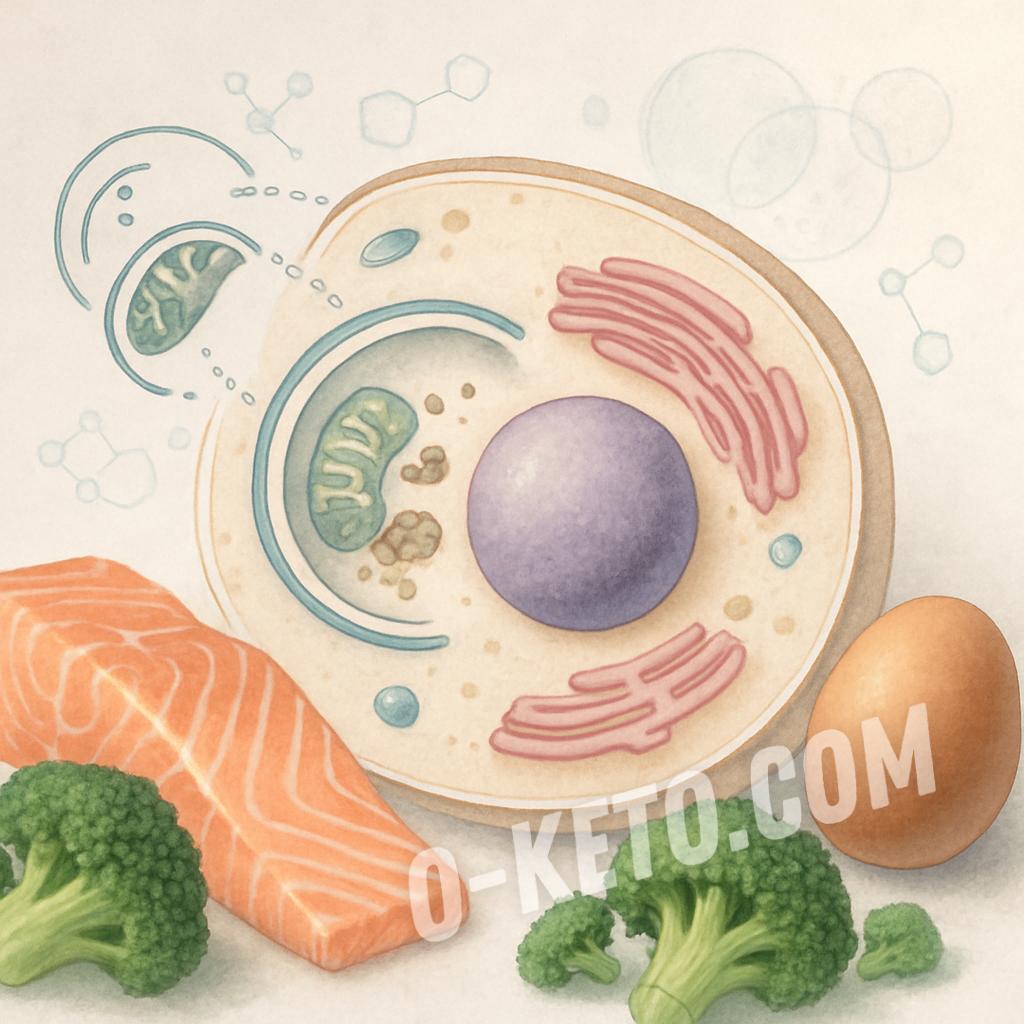
Autophagy is a regulated cellular process in which a cell packages some of its own components and delivers them to lysosomes for breakdown and recycling. Damaged proteins, old organelles, portions of cytoplasm, intracellular aggregates, and sometimes infection-related material can be removed this way. It is not a household detox or a whole-body cleanse. It is a normal part of cellular quality control, survival, and renewal.
The best-known form is macroautophagy. A membrane structure called an autophagosome forms around the cargo and later fuses with a lysosome. Lysosomal enzymes break the contents down into building blocks that the cell can use again. Other forms also exist, including microautophagy and chaperone-mediated autophagy. They share the idea of controlled cellular self-digestion, but the mechanisms differ.
Why cells use autophagy
Autophagy helps maintain cellular homeostasis. When damaged proteins and organelles accumulate, the cell works less efficiently and becomes more vulnerable to stress. Mitophagy, the removal of damaged mitochondria, is especially important. Poorly functioning mitochondria may produce more reactive oxygen species and disturb energy metabolism. Autophagy therefore contributes to mitochondrial quality, immune response, nutrient stress adaptation, and recovery after cellular stress.
Autophagy is not universally good in any amount or any context. Too little activity may impair renewal, while excessive or poorly timed activation can be associated with cellular stress and some disease processes. In cancer, neurodegeneration, and infections, autophagy has complex roles. It may support cellular defense in one context and help unwanted cells survive in another. The slogan more autophagy is always better is biologically wrong.
Food, fasting, and mTOR
Autophagy responds to nutrient availability. When amino acids and energy are abundant, mTOR signaling, which is linked with growth and synthesis, is more active. When energy or amino acids are limited and stress pathways such as AMPK are engaged, autophagic processes may increase. This is why fasting, calorie restriction, and exercise are often discussed as autophagy stimuli. However, measuring autophagy in human tissues is not something a person can do with a simple home test.
Keto and intermittent fasting may lower insulin, change glucose availability, and increase fat and ketone use. These conditions may favor some cellular renewal pathways. That does not mean every long fast is beneficial. If a person undereats protein, sleeps badly, loses menstrual function, feels cold, lives under chronic stress, binges after fasting, or loses muscle mass, chasing autophagy has become counterproductive.
Autophagy depends not only on the absence of food but also on the ability of lysosomes to degrade the material they receive. If sleep, protein intake, micronutrients, thyroid function, or recovery are poor, cellular recycling does not become magically better through a longer fasting window. The body needs signals for breakdown and materials for later repair.
Protein is especially important here. Short periods of amino acid limitation may stimulate some autophagic pathways, but chronically low protein can impair immunity, muscle, enzymes, skin, hair, and recovery. A well-designed low-carb routine usually alternates time without food with protein-rich meals rather than turning every day into a race for the longest fasting window.
Practical meaning
For everyday health, the goal is not to maximize autophagy at all costs. A better target is a rhythm that includes feeding, recovery, movement, and moderate deficit when needed. Good sleep, strength training, walking, fewer constant snacks, adequate protein, glucose control, and avoidance of ultra-processed food create a more stable environment than extreme protocols. Cellular renewal does not require constant hunger.
Special caution is needed during pregnancy, breastfeeding, eating disorders, low body weight, active cancer, severe diabetes, glucose-lowering medication use, chronic kidney disease, and liver disease. In these situations, long fasting for autophagy may be dangerous. If the real goal is health rather than a fashionable word, it is better to track practical signs: energy, strength, sleep, lab markers, body composition, digestion, and whether the routine can be sustained without harm.







If you have any questions about the term "Autophagy", you can ask them to AI. Please note, a low-cost OpenAI model is used. It may answer questions about disease treatment with errors!


 1 / 4
1 / 4

 1 / 4
1 / 4 1 / 4
1 / 4


