


Norepinephrine
A neurotransmitter and stress-response hormone that affects wakefulness, attention, vascular tone, blood pressure, glucose mobilization and threat response. It should not be reduced to motivation or anxiety; sleep, glucose, thyroid status, medications and the nervous system all matter.
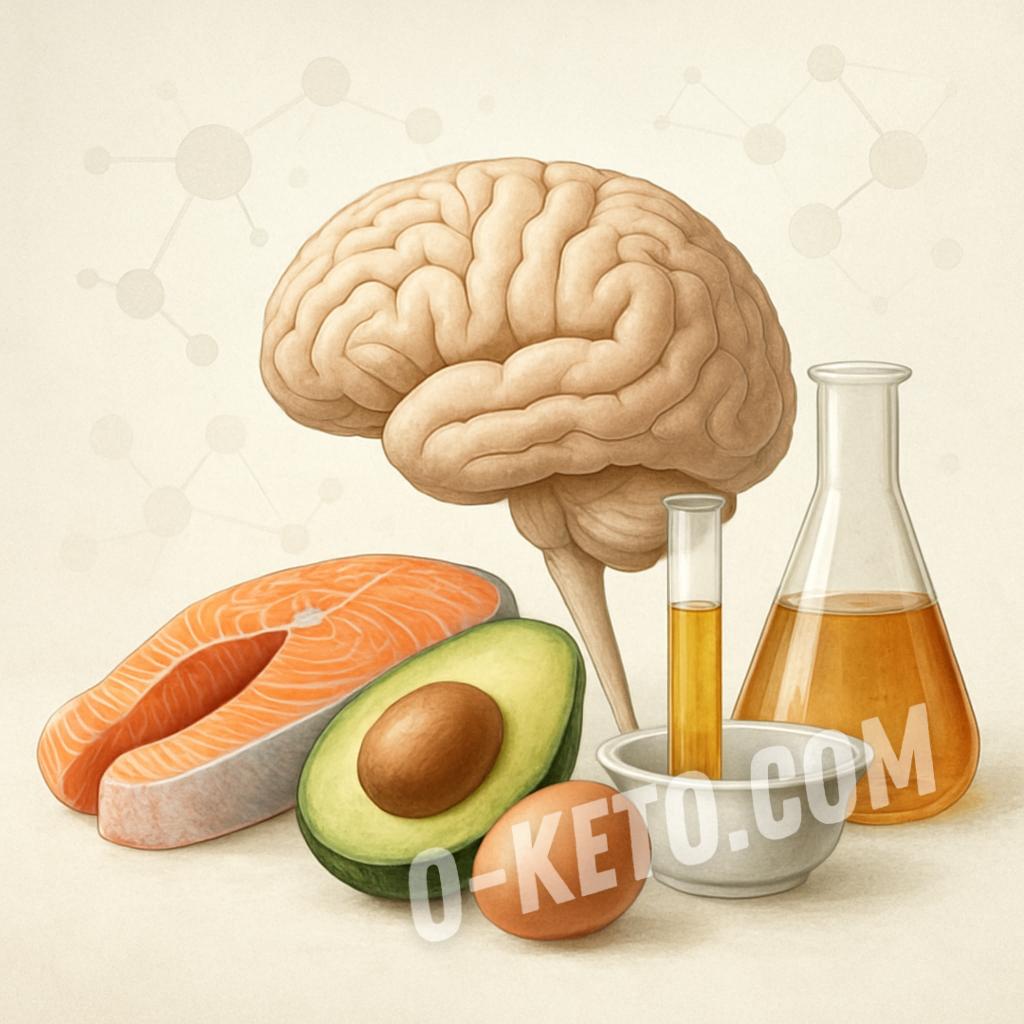
Norepinephrine is both a neurotransmitter and a stress-response hormone. In the nervous system it helps maintain wakefulness, attention, readiness for action, threat response and resource switching. In the bloodstream it participates in vascular tone, blood pressure, heart rate, glucose release and energy mobilization. It should therefore not be reduced to a simple label such as stress hormone or motivation chemical.
Most norepinephrine as a transmitter is connected with the sympathetic nervous system and brain regions that regulate attention and alertness. As a hormone, it is released from nerve endings and partly from the adrenal glands. Its job is to help the body assess a situation quickly and redirect blood flow, energy and attention where they are needed.
How it acts
Norepinephrine works through adrenergic receptors. In blood vessels it can increase constriction and raise blood pressure; in the heart it can change rate and force of contraction; in the liver it supports glucose release; in fat tissue it participates in lipolysis. In the brain it helps with wakefulness, focus and response to meaningful signals.
A normal norepinephrine response is useful: a person wakes up, stands, maintains blood pressure and responds to cold, exercise and danger. Problems begin when the system is constantly overloaded or does not activate well enough. Anxiety, palpitations, blood-pressure swings, insomnia, sweating, trembling, cold extremities, weakness on standing or poor stress tolerance may appear.
Sleep, glucose and food
The norepinephrine system is closely linked with sleep. At night its activity should fall so the brain can enter a restorative mode. Sleep deprivation, late caffeine, night work, bright light, anxious tasks before bed and alcohol can keep the nervous system alert. A person may feel tired but unable to relax normally.
Glucose also matters. During hypoglycemia the body activates a counter-regulatory response: adrenaline, norepinephrine, glucagon and cortisol help raise blood sugar. Trembling, sweating, anxiety, palpitations and sudden hunger may therefore be not panic from nowhere, but a reaction to falling glucose, especially in people using glucose-lowering medication or going long periods without food.
Keto and low-carbohydrate eating
On a low-carbohydrate diet, norepinephrine can participate in adaptation to using fat: water and sodium balance change, glycogen falls and lipolysis becomes more active. Some people experience steadier energy, while others have palpitations, anxiety, insomnia or weakness in the first weeks. Often the issue is not “bad keto” but sodium, magnesium, calories, caffeine and a start that is too abrupt.
If a person drinks a lot of coffee, eats too little, trains intensely and sharply cuts carbohydrates, the sympathetic system can become overloaded. In that situation it is better to review the basics rather than endure it: protein, salt, water, calories, magnesium and sleep. A low-carbohydrate diet should reduce metabolic swings, not keep a person in constant mobilization.
Medications and medical context
Antidepressants, stimulants, ADHD medications, decongestants, some blood-pressure drugs, thyroid hormones, caffeine, nicotine and certain pain medications can all affect the norepinephrine system. Abrupt withdrawal or poor combinations can change blood pressure, pulse, anxiety and sleep. Symptoms should therefore be interpreted together with medication history, not only diet.
A separate issue is pheochromocytoma and other rare conditions with catecholamine excess. They can cause episodes of high blood pressure, palpitations, sweating, headache and anxiety. They are not the most common cause of such symptoms, but severe attacks, very high blood pressure or a family history of endocrine tumors require medical evaluation.
When help is needed
Chest pain, fainting, very high blood pressure, rhythm disturbance, sudden weakness, confusion, severe headache, repeated hypoglycemia or panic-like attacks with strong physical symptoms should be evaluated. Norepinephrine is involved in many reactions, but a person cannot accurately determine its level by sensation.
The practical point is to see the connection between the nervous system, food, glucose, blood pressure and recovery. Support does not start with trying to lower norepinephrine directly, but with sleep, morning light, measured exercise, adequate food, electrolytes, caffeine control, treatment of hypoglycemia and careful stress work. The body does not need permanent relaxation; it needs flexibility: activate quickly and then return to calm.
If you have any questions about the term "Norepinephrine", you can ask them to AI. Please note, a low-cost OpenAI model is used. It may answer questions about disease treatment with errors!


