


Thyroxine
The main thyroid hormone T4 acts as a reservoir for active T3 and influences energy metabolism, temperature, heart function, bowel motility, skin, brain, and lipids. It should be interpreted with TSH, free T4, sometimes free T3, antibodies, symptoms, medications, and context.
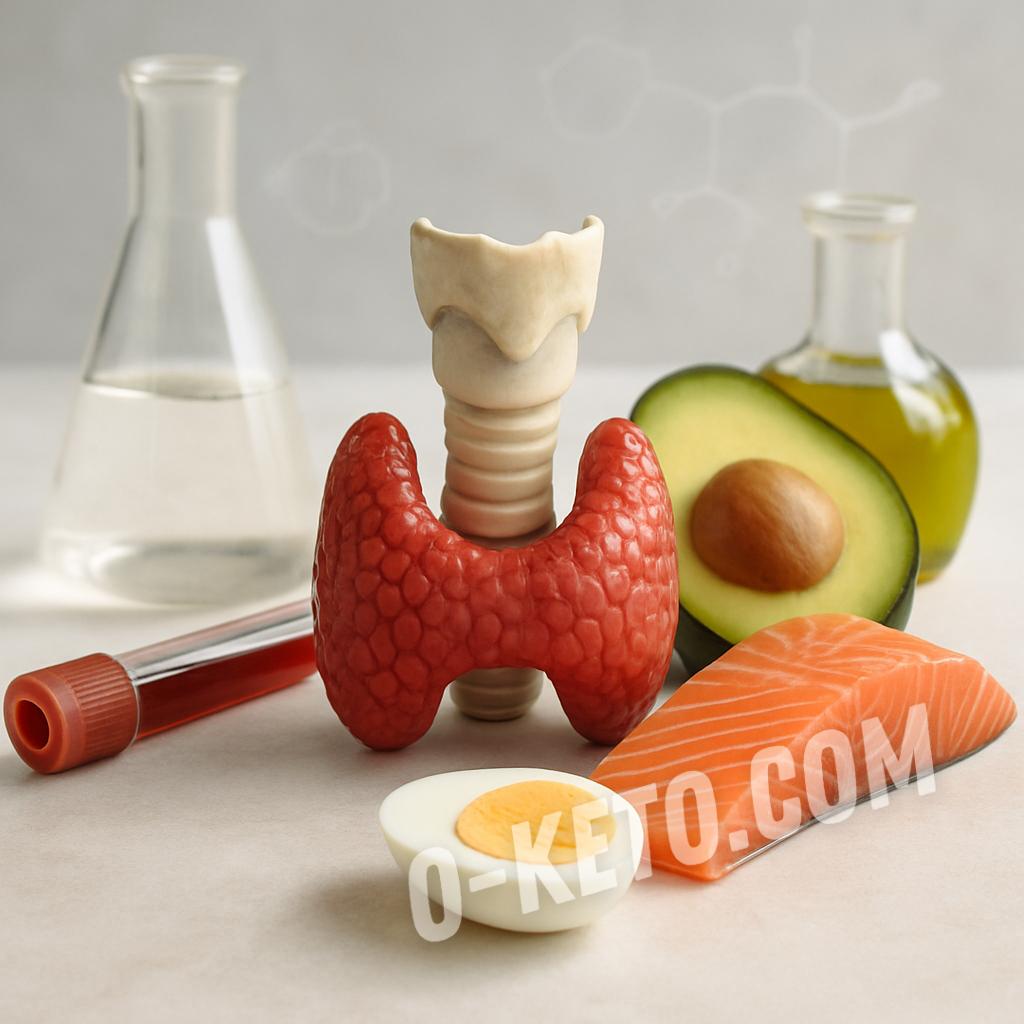
Thyroxine, or T4, is the main hormone produced by the thyroid gland from iodine and the amino acid tyrosine. It circulates in blood in bound and free forms and serves as the main reservoir for the more active hormone T3. T3 has stronger effects on metabolic rate, body temperature, the heart, bowel function, brain, skin, muscles, and lipid metabolism, but without adequate T4 the system cannot remain stable.
Thyroxine should not be interpreted separately from the thyroid axis. The pituitary gland releases TSH, which stimulates the thyroid. When thyroid hormone is low, TSH usually rises; when hormone is excessive, TSH often falls. Real life is more complex: autoimmune thyroiditis, nodules, medications, pregnancy, pituitary disease, severe illness, energy deficit, and changes in binding proteins can all alter the laboratory picture.
Free and total T4
Most thyroxine is bound to blood proteins, while the free fraction is considered biologically available. For this reason, free T4 is commonly interpreted together with TSH. Total T4 can change during pregnancy, estrogen therapy, liver disease, and shifts in binding proteins. By itself, a total value does not always show how much hormone is available to tissues.
Free T4 is not perfect either. Results depend on the laboratory method, timing, medication, biotin use, severe illness, and testing conditions. Biotin in hair and nail supplements can distort some thyroid immunoassays, so it is often stopped temporarily before testing according to clinician or laboratory instructions. A medication dose should not be changed based on one questionable result.
Conversion to T3
T4 is converted into T3 in the liver, kidneys, muscles, brain, and other tissues through deiodinase enzymes. Selenium, zinc, iron, adequate energy, protein, and the absence of severe inflammatory stress all matter for this system. During aggressive calorie restriction, severe illness, poor sleep, and chronic stress, the body may reduce active conversion as a way to conserve energy.
This does not mean everyone needs a T3 medication. Many people with hypothyroidism do well on properly adjusted levothyroxine, synthetic T4. Combination therapy is considered individually when symptoms remain, test results are reliable, and other causes of fatigue such as anemia, sleep apnea, depression, nutrient deficiencies, poor diet, and medication effects have been addressed.
Hypothyroidism and excess hormone
Low thyroxine can appear as fatigue, cold intolerance, sleepiness, constipation, dry skin, hair loss, swelling, higher LDL, menstrual changes, slow pulse, and weight gain. These symptoms are nonspecific. They may also come from iron deficiency, B12 deficiency, depression, sleep deprivation, low calorie intake, insulin resistance, and other causes. Diagnosis is made from symptoms and laboratory evidence together.
Excess thyroxine, or too high a levothyroxine dose, can cause palpitations, anxiety, sweating, insomnia, weight loss, tremor, diarrhea, bone loss, and arrhythmia risk. Older adults, people with heart disease, and people with osteoporosis need particular caution. Thyroid hormones should not be used as weight-loss drugs because the cost of forcing metabolism can be high.
Keto, LCHF, and thyroid function
Low-carbohydrate nutrition may lower insulin, body weight, and inflammatory tone, which can improve the metabolic environment. But a very strict diet, chronic calorie deficit, inadequate protein, iodine, selenium, iron, and sometimes too little carbohydrate in sensitive people can lower T3 or increase coldness and fatigue. It is important to distinguish normal adaptation from under-eating and true hypothyroidism.
Iodine is required for thyroxine synthesis, but excess iodine can worsen autoimmune thyroiditis in susceptible people. Selenium supports deiodinases and thyroid antioxidant defense, but high doses are not safe either. The practical approach is not to take random thyroid complexes, but to evaluate TSH, free T4, antibodies, symptoms, diet, medication, and real deficiencies.
Practical conclusion
Thyroxine is the central thyroid hormone and the source for T3 production. It influences metabolism, heart function, bowel motility, skin, brain, and lipids, but it must be interpreted with TSH, free fractions, symptoms, and context. Raising levothyroxine, adding T3, or taking iodine for energy on one’s own is risky. It is safer to identify the cause of symptoms and adjust treatment from reliable evidence rather than from the desire to speed up metabolism.
If you have any questions about the term "Thyroxine", you can ask them to AI. Please note, a low-cost OpenAI model is used. It may answer questions about disease treatment with errors!


