


Pantothenic acid
Vitamin B5 is required for coenzyme A formation and therefore participates in fatty acid metabolism, acetyl-CoA, steroid hormone synthesis, acetylcholine, and cellular energy production. Deficiency is uncommon, but poor diets, malabsorption, alcohol use, and long-term restriction can make its role clinically relevant.
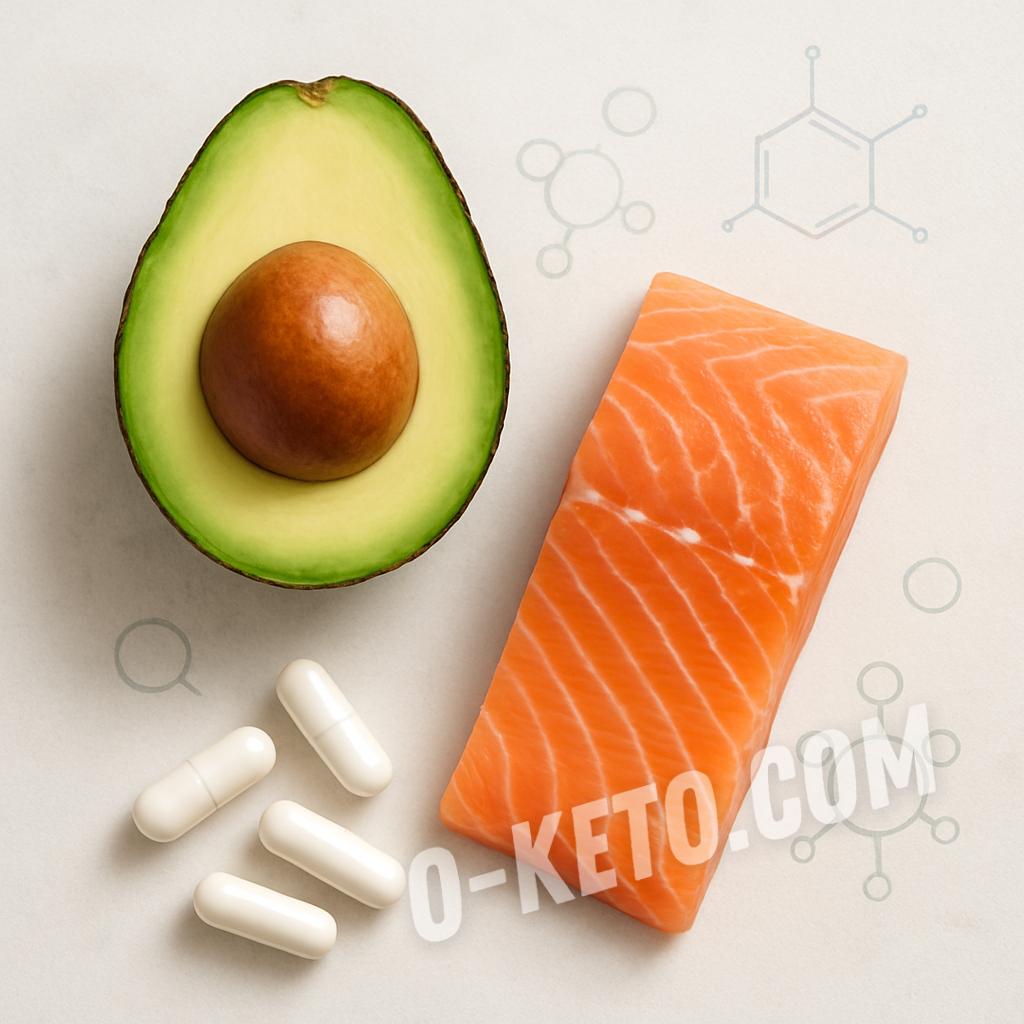
Pantothenic acid is vitamin B5, a water-soluble vitamin used to make coenzyme A and a component of acyl carrier protein. Through these forms, vitamin B5 participates in acyl-group transfer, acetyl-CoA formation, fatty acid metabolism, amino acid metabolism, and carbohydrate metabolism. For that reason it should not be reduced to an “energy vitamin” or a simple remedy for tiredness. It is built into basic reactions that allow cells to use food as fuel and as material for new compounds.
The name reflects the idea of being found “everywhere,” and that fits food reality quite well. Pantothenic acid occurs in many foods: meat, liver, eggs, fish, poultry, mushrooms, avocado, broccoli, dairy products, seeds, and nuts. A severe deficiency is therefore uncommon in people eating a varied diet. Uncommon, however, does not mean impossible. Risk may rise with severe undernutrition, alcohol use disorder, malabsorption, a very monotonous diet, long-standing digestive disease, and states in which the body’s needs are increased.
Why coenzyme A matters
The central biochemical role of pantothenic acid is linked to coenzyme A. Coenzyme A helps carry molecular fragments in metabolic reactions. One of the best-known examples is acetyl-CoA. It sits at the intersection of energy metabolism, the Krebs cycle, fatty acid synthesis, ketone body formation, cholesterol production, steroid hormone synthesis, and acetylcholine formation.
In simpler terms, vitamin B5 helps the body handle what comes from food: fatty acids, amino acids, and carbohydrates. It participates both in breaking molecules down for energy and in building new compounds. This is especially important for tissues with active metabolism, including the liver, muscles, nervous system, mucous membranes, adrenal glands, and skin. Pantothenic acid still does not work alone. Normal energy metabolism also depends on riboflavin, niacin, thiamine, magnesium, iron, copper, adequate protein, and enough total energy intake.
Fat metabolism and low-carb nutrition
On a low-carbohydrate diet, the body often uses fatty acids as a major energy source. In that context pantothenic acid is relevant because coenzyme A participates in fatty acid activation and later steps of fat metabolism. This does not make vitamin B5 a fat-burning pill. If someone takes pantothenic acid while eating excess calories, sleeping poorly, moving little, and tolerating food badly, the vitamin will not override physiology.
The practical message is calmer. During keto or LCHF, it makes sense to include foods that naturally provide vitamin B5 and not build the diet only from purified fats. Eggs, meat, liver, fish, poultry, mushrooms, avocado, and good dairy products provide not only fat and protein, but also micronutrients that help those macronutrients enter metabolism properly. The poorer the diet is in whole foods, the higher the risk that a person receives calories without enough vitamins and minerals.
Deficiency and excess
Classic pantothenic acid deficiency is rare, so symptoms are usually nonspecific and cannot diagnose the problem by themselves. Described complaints include fatigue, irritability, sleep disturbance, abdominal discomfort, nausea, muscle cramps, numbness, tingling, and a burning sensation in the feet. The same complaints can come from many other causes, including vitamin B12 deficiency, magnesium deficiency, iron deficiency, folate deficiency, thyroid disease, diabetes, neuropathy, chronic stress, and medication side effects.
Excess from food is not usually a problem. High-dose supplements are often better tolerated than many fat-soluble vitamins, but they can still cause diarrhea, nausea, abdominal pain, and other unpleasant reactions. The higher the dose, the less useful it is to call the supplement harmless simply because it is a vitamin. Pregnancy, breastfeeding, chronic disease, medication use, and significant digestive problems are reasons to discuss supplementation with a clinician rather than build a plan from testimonials.
Pantethine, skin, and popular claims
Pantethine is a related form discussed separately, especially in relation to lipid metabolism. Some studies consider it in the context of cholesterol and triglycerides, but that does not make it a replacement for nutrition, weight management, insulin resistance treatment, or prescribed medication. If a person has high ApoB, high LDL cholesterol, familial hypercholesterolemia, diabetes, or cardiovascular risk, pantethine should not become the only strategy.
Pantothenic acid is also frequently promoted for acne. The idea is connected with fat metabolism and skin function, but the promises are usually stronger than the evidence. Skin does not respond to one vitamin alone. Hormones, insulin resistance, sleep, stress, skincare, medications, inflammation, dairy sensitivity, excess sugar, and overall food tolerance can all matter. If a supplement helps one person and causes no side effects, that is an individual response, not a universal treatment rule.
How to obtain it from food
The most reliable way to obtain vitamin B5 is a varied diet based on whole foods. For low-carbohydrate nutrition this is usually realistic: eggs, liver, meat, poultry, fish, seafood, mushrooms, avocado, greens, broccoli, cheese, and yogurt can all fit well. It is also important not to turn the diet into a collection of fats without a protein and micronutrient base. Butter, oils, and fatty sauces may be part of the menu, but they do not replace foods that contain B vitamins.
If deficiency is suspected, it is better to start with causes rather than the highest possible supplement dose. Diet, food tolerance, alcohol intake, intestinal health, medications, other B vitamins, and overall protein status all deserve attention. Pantothenic acid works inside a metabolic network, so the best result often comes not from one isolated vitamin, but from restoring a normal food structure and removing what interferes with absorption.
If you have any questions about the term "Pantothenic acid", you can ask them to AI. Please note, a low-cost OpenAI model is used. It may answer questions about disease treatment with errors!


